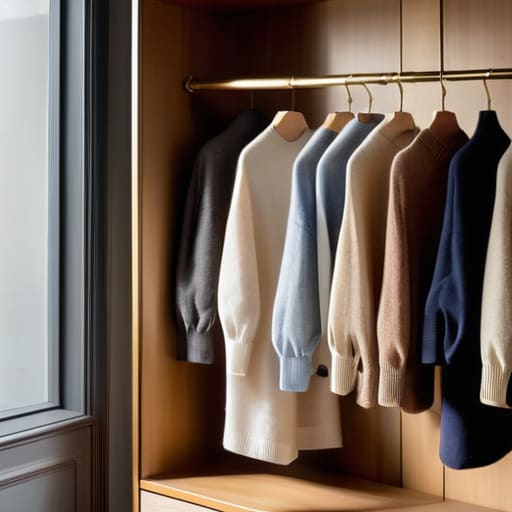
I once spent three weeks obsessing over a batch of heavyweight loopback cotton hoodies, only to realize I’d ruined the entire silhouette because I shoved them into a crowded drawer like they were cheap fast-fashion scraps. I was so focused on the print quality that I completely ignored the physics of the fabric itself. Most “organization gurus” will try to sell you these expensive, aesthetic acrylic bins or tell you that storing clothes properly requires a dedicated walk-in closet and a color-coded system, but that’s just more marketing fluff. Honestly, if you’re treating your high-GSM blanks like they’re disposable, you’re basically paying a premium to watch your investment deform in real time.
I’m not here to give you a Pinterest-worthy makeover or tell you which scented sachets to buy. Instead, I want to talk about the actual mechanics of fabric preservation—things like how gravity wreaks havoc on your shoulder seams and why certain weaves shouldn’t ever touch a wire hanger. I’m going to show you how to protect your pieces based on how they are actually constructed, so your favorite tees and heavy knits actually last as long as the craftsmanship intended.
Preventing Fabric Damage Beyond the Surface Level
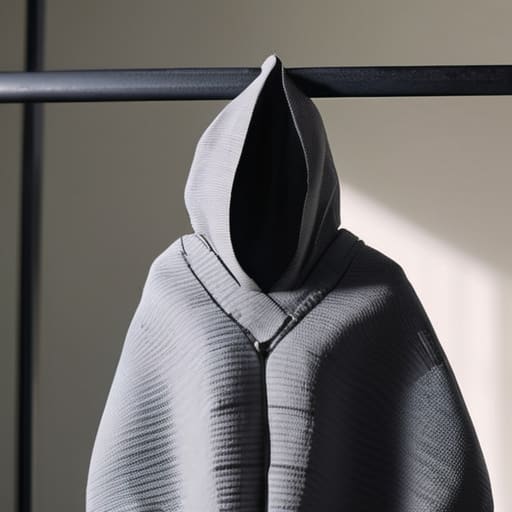
Look, if you think a little dust is the only thing threatening your collection, you’re missing the bigger picture. We need to talk about preventing fabric damage at a structural level. When you’re dealing with high-GSM cotton or heavy knits, the weight of the garment itself becomes an enemy if it’s hanging improperly. I’ve seen too many beautiful, heavy-weight hoodies lose their shape entirely because they were left on thin wire hangers for months. The gravity just pulls at the shoulder seams until the silhouette is completely shot.
You also can’t ignore the biological stuff. If you’re doing a seasonal wardrobe rotation, don’t just shove everything into a dark corner of the closet and forget about it. I’m a huge advocate for cedar wood moth prevention—not just because it smells nice, but because those tiny pests don’t care how much you paid for your vintage finds; they see a buffet. If you aren’t checking your pieces for signs of wear or pests during your rotation, you’re basically inviting them to eat your investment.
Protecting Delicate Fabrics From Structural Decay
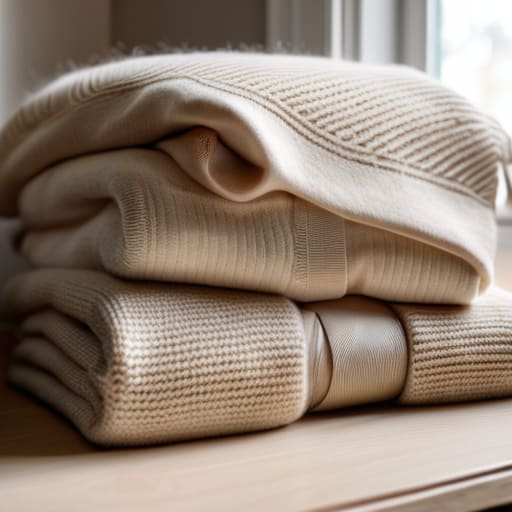
If you’ve invested in high-thread-count silks or those intricate, hand-worked knits, you can’t just treat them like your everyday heavy-weight cotton tees. These pieces are structurally sensitive; they don’t just “wear out,” they fail. When I’m looking at a garment, I’m checking the integrity of the weave, and that integrity is compromised the second you hang a heavy knit on a thin wire hanger. Gravity is your enemy here. To avoid stretching out the shoulder seams or turning a beautiful drape into a saggy mess, you need to fold them.
Beyond just how they sit, you have to think about the environment. Protecting delicate fabrics means managing the invisible threats like humidity and pests. I’m a huge advocate for cedar wood moth prevention—not just because it smells great, but because those little invaders can turn a vintage find into Swiss cheese overnight. If you’re doing a seasonal wardrobe rotation, don’t just shove everything into a plastic bin. Use breathable cotton garment bags instead. Plastic traps moisture, and moisture is exactly what leads to that dreaded fiber rot that ruins the silhouette I worked so hard to build.
Stop Treating Your Wardrobe Like a Junk Drawer

- Stop the hanger carnage. If you’re throwing heavy-weight, high-GSM hoodies on thin wire hangers, you’re literally asking for shoulder bumps. Those little protrusions aren’t just annoying; they’re permanent structural distortions in the knit. Use wide, contoured hangers for your heavy pieces, or just fold them.
- Airflow is non-negotiable. If you cram your vintage tees into a vacuum-sealed bag or a tight plastic bin, you’re trapping moisture and killing the fibers. Fabric needs to breathe, even when it’s “resting.” Give your pieces some breathing room so they don’t end up smelling like a damp basement.
- Watch the light. I see people displaying their favorite faded band tees on open racks right next to a sunny window, and it kills me. UV rays are basically slow-motion bleach. If you want that perfect, lived-in patina to actually last, keep your rack in the shade or inside a closed wardrobe.
- Don’t let the weight win. If you have a stack of heavy denim or thick flannels, don’t pile them ten high on a shelf. The sheer weight of the top layers will crush the fibers and flatten the texture of the bottom ones. Fold them loosely and keep the stacks manageable.
- Check your seams before you stow them. Before you put a garment away, make sure it’s actually clean. Even if it looks fine, microscopic skin oils and leftover detergent can oxidize over time, leading to those weird yellow stains that show up months later when you least expect them.
The Bottom Line: Stop Treating Your Wardrobe Like an Afterthought
Stop the pile-up; if you’re tossing heavy-weight blanks into a cramped drawer, you’re crushing the fibers and killing the very silhouette you paid a premium for.
Respect the construction; hanging delicate knits is a one-way ticket to shoulder bumps and stretched-out necklines, so learn when to fold and when to hang.
Think about the long game; proper storage isn’t about being tidy, it’s about protecting your GSM and seam allowances so your favorite pieces actually survive more than one season.
Frequently Asked Questions
Does hanging my heavy-weight hoodies actually stretch out the neck and shoulders more than folding them?
Look, if you’re hanging those heavy-weight blanks, you’re basically playing a slow-motion game of tug-of-war with your own silhouette. Gravity is relentless. That high GSM we love? It’s heavy. When you hang a thick hoodie, the weight of the body pulls directly against the shoulder seams and the neckline, eventually turning that crisp collar into a stretched-out mess. Fold them. Stack them. Keep the structure intact so the garment actually looks like what you paid for.
If I’m using vacuum seal bags to save space, am I basically crushing the loft and ruining the texture of my knits?
Short answer: Yes. You’re basically suffocating the life out of them. When you vacuum seal a heavy-knit sweater, you aren’t just saving space; you’re physically crushing the air pockets between those fibers. That “loft” is what gives your knits their shape and warmth. Once you crack that seal and pull them out, they’ll likely look limp and feel weirdly dense. If you must use bags, stick to cotton garment bags—keep the air in the fabric.
How do I know if my storage setup is actually protecting my vintage tees from yellowing or fiber degradation?
If you’re seeing that weird, uneven amber tint on your 90s blanks, your storage is failing. It’s usually light exposure or trapped moisture. If you’re keeping them in those clear plastic bins, stop—you’re basically creating a greenhouse for oxidation. I check my stash by looking for “acid migration” (yellowing near seams) and checking the hand-feel. If the cotton feels brittle or stiff instead of soft, the fibers are literally breaking down from poor airflow.