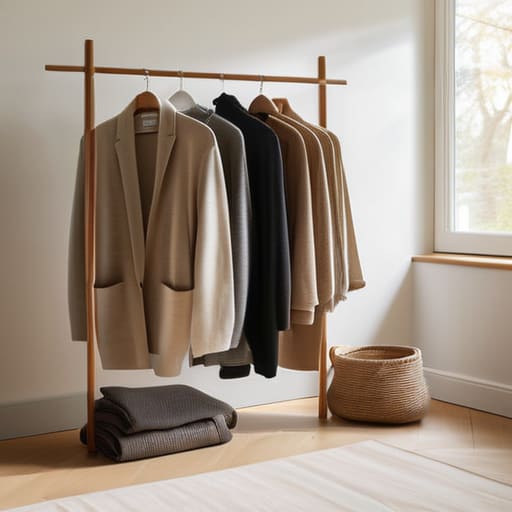
I spent three years in a shared studio surrounded by mountains of “essential” organic cotton tees that fell apart after exactly four washes. It’s infuriating how the fashion industry has rebranded the concept of building a capsule wardrobe as this expensive, aesthetic-driven ritual where you have to buy a specific, overpriced set of beige linen trousers just to “belong.” If you think a capsule wardrobe means spending a month’s rent on a curated collection of minimalist basics that look great on a mood board but have zero structural integrity, you’ve been sold a lie.
I’m not here to talk about color palettes or what’s trending on TikTok. I want to talk about why your favorite vintage band tee has survived thirty years while your new “staple” shirt is already pilling. My promise to you is simple: we are going to strip away the marketing fluff and focus on the actual mechanics of longevity. We’ll dive into the technical stuff—like why GSM actually matters and how to spot a reinforced seam—so you can build a collection that survives the real world, not just a curated feed.
Beyond Minimalist Fashion Principles the Truth About Gsm
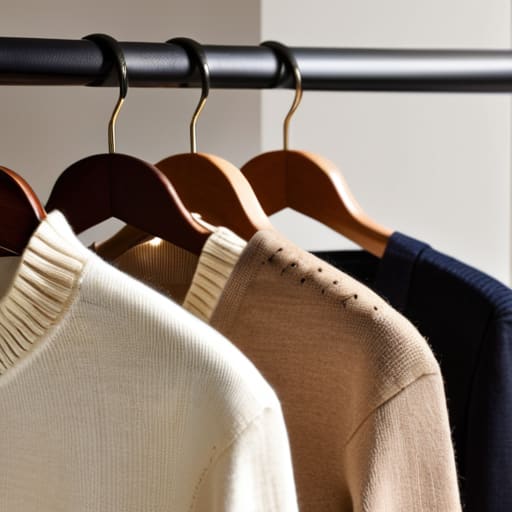
Everyone talks about minimalist fashion principles like they’re just about owning fewer things, but if you’re just buying cheap, thin cotton because it fits the “aesthetic,” you’re actually just accelerating the cycle of waste. You can declutter your closet all day long, but if every piece you keep is a flimsy, translucent tee that loses its shape after two washes, you haven’t built a wardrobe—you’ve just curated a collection of future landfill.
This is where GSM (Grams per Square Meter) becomes your best friend. When I’m sourcing blanks for my own runs, I don’t care if a shirt looks “on trend”; I care about the weight. A higher GSM means a denser knit, which translates to better drape and, more importantly, structural integrity. If you want timeless clothing pieces that actually survive a heavy wash cycle without turning into a shapeless rag, you need to stop looking at the silhouette and start obsessing over the fabric density. A heavy 280 GSM cotton tee feels substantial; it holds its own. That’s the difference between a garment that lasts a decade and one that dies in a month.
Timeless Clothing Pieces That Wont Lose Their Shape
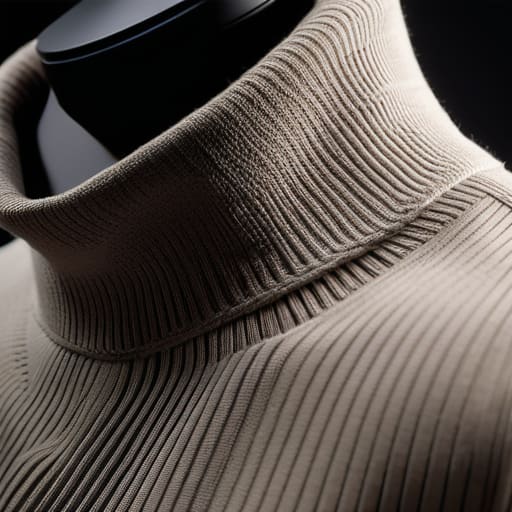
When we talk about timeless clothing pieces, I’m not talking about those “essential” beige linen sets that every influencer is pushing this month. If you want things that actually hold their structure after twenty washes, you have to look at the architecture of the garment. Start with a heavy-duty, 100% cotton mock-neck tee or a structured heavyweight sweatshirt. I always flip my blanks inside out first to check the neck ribbing; if that rib isn’t tight and reinforced, your “staple” piece is going to look like a saggy rag by mid-season.
The same logic applies to your denim and outerwear. Forget the flimsy, fast-fashion blends that lose their silhouette the moment they hit a washing machine. Look for high-density weaves and double-needle stitching on the side seams. When you’re focusing on sustainable fashion choices, you aren’t just buying “less”; you’re buying things that possess enough physical integrity to survive a decade of wear. A well-constructed, heavy twill carpenter pant or a dense wool overcoat isn’t just a trend—it’s an investment in fabric that refuses to give up.
The Non-Negotiables: How to Actually Curate Without Falling for the Hype
- Stop buying “aesthetic” sets. A capsule wardrobe isn’t about matching a specific Pinterest mood board; it’s about finding pieces that actually function together. If you can’t wear that new heavy-weight hoodie with at least three other things you already own, it’s just clutter, not a staple.
- Prioritize the “Inside-Out” Test. Before you commit to a piece, flip it. I’m serious. Look at the seams. Are they overlocked cleanly, or is it a mess of loose threads that’s going to unravel after three washes? If the construction looks cheap on the inside, the “timeless” look on the outside won’t last a season.
- Learn to Read a Fabric Composition Tag. “Cotton blend” is the industry’s favorite way to hide mediocre quality. If you’re building a wardrobe to last, look for high percentages of natural fibers. A 100% cotton heavy jersey or a sturdy wool will hold its structure way better than anything stuffed with polyester that’s just going to pill and lose its shape by next month.
- Invest in Versatile Weight. A common mistake is only buying lightweight fabrics because they’re easy to layer. But a real capsule needs structural integrity. You want a mix of high-GSM basics that provide a solid foundation—think heavy tees and structured trousers—so your silhouette doesn’t collapse the moment you move.
- Ignore the “Micro-Trend” Cycle. If you see a specific silhouette or color exploding on your feed, wait. Most of those “essential” items are just marketing bait designed to make your current clothes feel obsolete. A real capsule is built on silhouettes that have worked for decades, not what’s trending on TikTok this Tuesday.
The Real Cost of a "Minimalist" Wardrobe
Stop falling for the “aesthetic” of a capsule wardrobe and start looking at the specs; if the GSM is too low or the fabric is a cheap synthetic blend, you aren’t building a collection, you’re just buying future landfill.
Prioritize construction over silhouettes—a perfectly cut, heavy-weight cotton tee with reinforced seams will outlive ten “trendy” pieces that fall apart after three washes.
Build your rotation around durability, not minimalism for the sake of it; a wardrobe only works if the pieces are actually tough enough to survive being worn every single week.
Frequently Asked Questions
If I'm obsessing over high GSM, how do I make sure my capsule wardrobe doesn't end up feeling too heavy or bulky for actual daily wear?
It’s a fair worry—nobody wants to feel like they’re wearing a literal rug. The trick is layering your weights. You don’t need a 400 GSM hoodie for every single layer. Use those heavy hitters for your structural pieces, like outerwear or a sturdy bottom, and then balance them out with mid-weight cottons or linens. It’s all about the contrast between a heavy drape and a breathable weave so you aren’t suffocating.
How do I actually check the construction quality of a piece in a store without looking like a total creep?
Look, I get it. Staring intensely at a stranger’s shoulder seam feels weird, but you’re not being a creep—you’re being a consumer. The trick is to “inspect” rather than “stare.” Grab the garment, hold it up like you’re checking the fit in a mirror, and flip it. Check the hem for even stitching and give the seams a gentle tug to see if they pull apart. If it feels flimsy in your hands, it’ll feel flimsy on your body.
Is it actually worth paying a premium for reinforced seams if I'm only planning to wear these basics a few times a week?
Look, I get the math—you’re thinking about cost-per-wear. But here’s the thing: if you’re wearing a shirt three times a week, that’s where the stress happens. Friction, pulling, and constant washing are what kill a garment. If the seams aren’t reinforced, they’ll start puckering or unravelling within months. You’ll end up replacing that “cheap” basic twice as fast. Pay the premium now; it’s cheaper than buying the same mediocre tee three times.