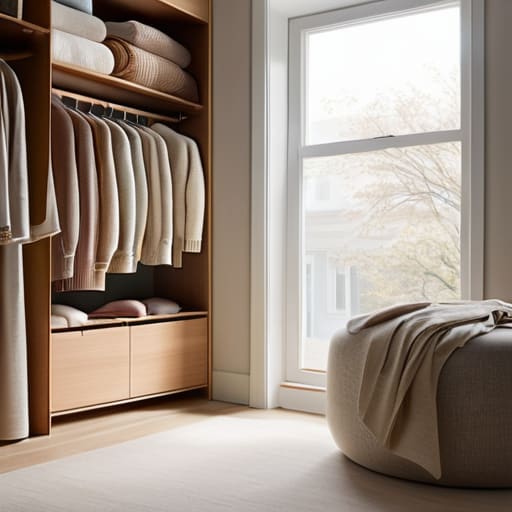
I spent three hours last Tuesday staring at a mountain of clothes, trying to figure out why my closet felt like a graveyard of “must-have” pieces that actually serve zero purpose. Most influencers want you to think a seasonal wardrobe rotation requires buying an entirely new capsule collection every time the temperature drops five degrees, but that’s just expensive marketing disguised as organization. They’re selling you the cycle of consumption, not the actual utility of the garments you already own. If you’re still trying to force your heavy-weight, 400 GSM fleece hoodies into a spring rotation just because you saw a “transitional styling” reel, you aren’t organizing—you’re just cluttering.
I’m not here to give you a Pinterest-ready aesthetic or tell you which colors are “in” for autumn. Instead, I’m going to show you how to audit your collection based on actual fabric weight and construction durability. We’re going to talk about how to transition your pieces by understanding how they react to the elements, ensuring you aren’t wasting good textiles or your hard-earned money. This is about making your clothes work for you, not the other way around.
Decluttering Clothes for Seasons by Fabric Integrity
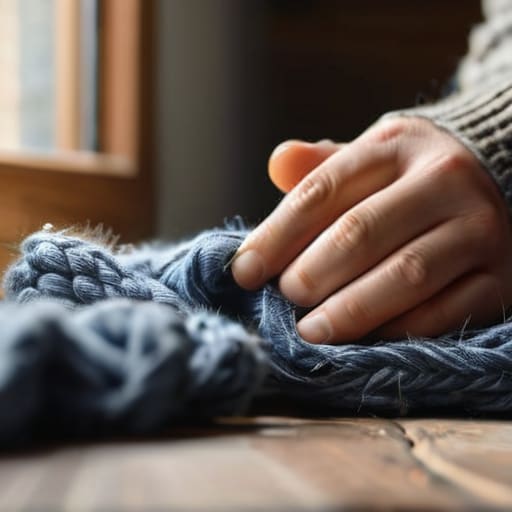
When I’m decluttering clothes for seasons, I don’t just look at what I wore; I look at how the fibers are holding up. If you’re pulling out a heavy fleece and the pill is so aggressive it feels like sandpaper, it’s time to let it go. I’ve spent way too many hours at a cutting table to ignore the reality of fabric fatigue. Before you even think about capsule wardrobe transitions, you need to do a physical audit. Check the tension in your knits and the structural integrity of your denim. If a garment has lost its shape or the seam allowance is starting to fray under stress, it’s not “vintage” anymore—it’s just dying.
Don’t just shove everything into a bin. Part of organizing seasonal apparel effectively means being ruthless about what actually deserves space in your storage. If a piece is too thin to actually insulate you, or if the cotton has gone limp and lost its weight, don’t bother protecting clothes during off-season storage. Save your storage real estate for the high-GSM pieces that actually deserve the care.
Capsule Wardrobe Transitions Based on Weight
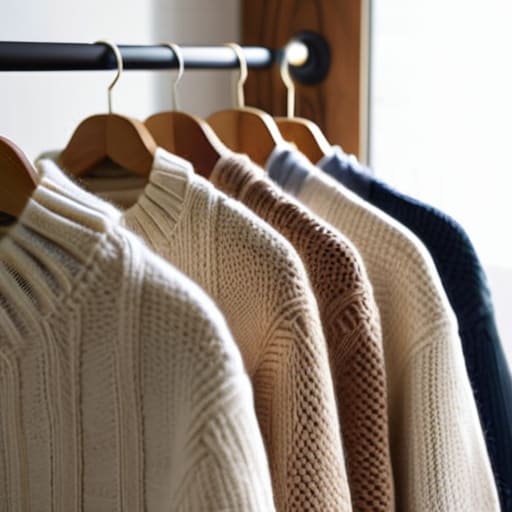
Once you’ve finished the heavy lifting of decluttering clothes for seasons based on how they’re actually built, you have to figure out the actual hand-off. Most people treat capsule wardrobe transitions like a game of Tetris, trying to shove everything into one drawer, but that’s how you end up crushing the loft of your knitwear. I don’t care if a piece is “in style”; if it’s a 400 GSM fleece, it belongs in a different climate entirely.
Instead of a mindless swap, I look at the weight hierarchy. Your summer rotation should be almost entirely about breathability—think lightweight linens and single-jersey tees that won’t feel like a weighted blanket when it hits 80 degrees. As the temperature drops, you aren’t just “adding layers,” you’re shifting your entire structural foundation to heavier weaves. This is where minimalist closet management actually becomes useful; you aren’t just moving clothes, you’re curating a functional weight class for your body. If your closet is constantly fighting between a thin silk slip and a heavy wool overcoat, you’re doing it wrong.
Stop Treating Your Closet Like a Trend Cycle: 5 Ways to Actually Rotate Your Gear
- Audit by GSM, not by “vibe.” When you’re pulling things out of storage, don’t just grab what looks cute; grab the heavy-weight 400+ GSM hoodies for the cold snaps and swap them for those lighter, breathable jersey tees before you start sweating through your layers.
- Inspect the seams before you pack them away. I always turn my garments inside out—it’s a habit—but seriously, check your heavy knits and denim for any fraying or loose stitching now. It’s much easier to fix a loose seam in the off-season than to realize your favorite jacket is unwearable right when the temperature drops.
- Protect your natural fibers from the “storage death trap.” If you’re shoving expensive organic cotton or wool pieces into plastic bins, stop. They need to breathe. Use cotton garment bags instead; if you trap moisture in plastic, you’re basically inviting mildew to move into your wardrobe.
- Prioritize structural integrity over color trends. Just because a specific shade was “it” last summer doesn’t mean you should toss it. If the construction is solid and the fabric hasn’t lost its shape, keep it. A well-made, neutral-toned heavy cotton shirt will outlast ten “seasonal” fast-fashion pieces any day.
- Treat your rotation like a production run. You wouldn’t run a print on a low-quality blank and expect it to last, so don’t treat your seasonal transition like an afterthought. Plan your “core” pieces—the stuff that actually holds its shape—and make sure they are the foundation of your next season’s lineup.
The Cheat Sheet for Not Ruining Your Wardrobe
Stop sorting by “summer” or “winter” and start sorting by GSM; if the fabric weight is too heavy for the current humidity, it’s going in storage, regardless of what the color palette says.
Use the transition period to audit your construction—if a piece has lost its shape or the seams are puckering, don’t just rotate it, repair it or retire it before the next season hits.
Prioritize your high-quality blanks for the most extreme weather shifts, because a well-constructed, heavy-weight cotton piece will actually handle the seasonal swing better than a flimsy trend piece.
Frequently Asked Questions
If I’m trying to switch from summer to autumn, how do I know if a mid-weight tee is actually a "transitional" piece or if it’s just going to leave me shivering in a drafty room?
Look, “transitional” is usually just marketing speak for “we couldn’t decide on a weight.” To actually test it, stop looking at the tag and start feeling the density. If that mid-weight tee feels thin or flimsy when you stretch it, it’s a summer shirt. You want something with enough GSM to hold its shape and trap a bit of heat. If it doesn’t feel substantial against your skin, you’re definitely going to be shivering.
I have a bunch of vintage pieces with weirdly specific fabric blends—should I be storing these differently than my standard heavy-weight cotton basics?
Absolutely. If you’re treating a 90s poly-blend vintage tee the same as your heavy-weight cotton basics, you’re asking for trouble. Cotton is resilient, but those weird vintage blends—especially anything with elastane or thin synthetics—can lose their shape or “melt” if they’re crushed under heavy knits. Don’t just toss them in a stack. Hang the structured stuff, but fold those delicate vintage blends loosely in breathable bins to avoid permanent creasing.
When I'm auditing my closet, how do I tell the difference between a garment that's "seasonally inappropriate" and one that's just poorly constructed and won't hold its shape after a wash?
Look, don’t confuse a seasonal misfit with a structural failure. If a shirt is just too heavy for July, that’s a rotation issue. But if the hem is twisting or the neck is rippling after one wash, that’s a construction failure. Check the seams: if they’re wavy or the fabric feels thin and “crunchy” instead of having a natural drape, it’s not “out of season”—it’s just cheap junk that’s already dying.