
I still remember sitting on a milk crate in that cramped shared studio, staring at a pile of “premium” hoodies that felt more like sandpaper than cotton. I had just spent my entire month’s budget on a batch that looked incredible on screen, but the moment I felt the weight—or lack thereof—I realized I’d been played. Everyone in this industry loves to talk about brand identity and aesthetic, but nobody wants to talk about the math that actually keeps the lights on. If you aren’t obsessing over your margins in clothing, you aren’t building a brand; you’re just funding someone else’s lifestyle while you work yourself into the ground.
I’m not here to give you some polished, high-level lecture on “scaling your enterprise” or whatever buzzword is trending on LinkedIn this week. I want to talk about the real numbers—the ones that include the cost of a misprinted graphic, the shipping delay that ate your profit, and why choosing a higher GSM blank is actually a smarter financial move in the long run. I’m going to show you how to calculate your true costs so you can stop guessing and start actually making money from your craft.
The Real Cost of Goods Sold for Apparel
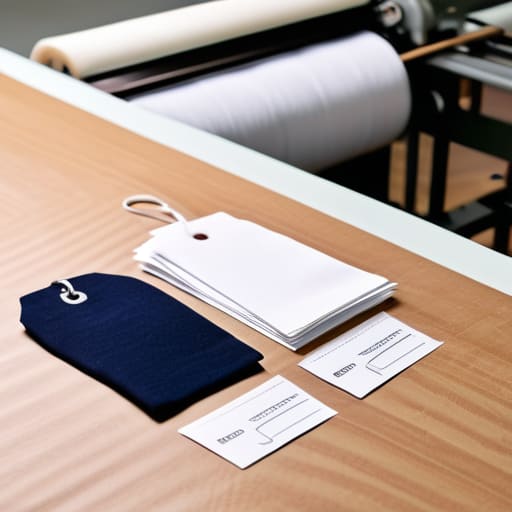
When people talk about the cost of a garment, they usually just point to the price tag on the blank. But if you’re actually trying to run a brand, you need to look way deeper than just what you paid the wholesaler. The true cost of goods sold for apparel includes every single thing that touches that piece of fabric before it hits a shipping bag. I’m talking about the screen printing ink that eats up your budget, the custom hangtags, the poly mailers, and even the electricity used to run the heat press. If you aren’t accounting for the tiny stuff, your math is going to be a disaster.
It’s easy to get caught up in a clothing retail markup calculator and think you’re set, but those tools often ignore the messy reality of production. You might think you have a healthy cushion, but once you factor in the labor for quality control and the inevitable “oops” pile of misprints, your actual profit starts to shrink. You have to distinguish between your gross profit and what’s actually left in your pocket after the overhead settles. If you don’t track these variables, you aren’t running a business; you’re just running a very expensive hobby.
Why Wholesale Clothing Profit Margins Lie to You

Most people look at a wholesale invoice, see a low price per unit, and think they’ve struck gold. They run a quick number through a clothing retail markup calculator, see a 4x or 5x multiplier, and start dreaming of luxury lifestyle content. But that’s where the math starts to get messy. When you’re looking at wholesale clothing profit margins, you’re usually only seeing the surface level. You aren’t accounting for the broken needles, the shipping delays, or the fact that half your shipment might arrive with inconsistent GSM or won’t even pass a basic wash test.
The real trap is confusing your gross numbers with what actually stays in your bank account. There is a massive difference between apparel gross margin vs net margin, and if you don’t understand it, you’re basically just running a very expensive hobby. You might have a high markup on a heavy-weight hoodie, but once you factor in the cost of custom polybags, studio rent, and the inevitable returns from customers who expected a different fit, that “massive” margin starts to look incredibly thin. Don’t mistake high revenue for actual profit.
How to stop bleeding money before the first stitch is even sewn

- Stop obsessing over the unit price of your blanks and start looking at the landed cost. If a heavy-weight 300 GSM tee looks cheap on paper but you’re paying a fortune in shipping and duties just to get it to your studio, your “good margin” is already a ghost.
- Factor in the “oops” tax. I’ve ruined more silk blanks with a bad screen print than I care to admit. If you aren’t padding your COGS for misprints, shrinkage, or the inevitable seam that unravels during a sample run, your profit margins are purely theoretical.
- Don’t let “marketing hype” dictate your markup. It’s easy to see a brand charging $80 for a hoodie and think you should too, but if your construction is flimsy, you’re just building a house of cards. Real margins come from being able to justify the price through actual craft, not just a cool logo.
- Watch your small-run overhead like a hawk. When you’re printing in a shared studio or cutting patterns at home, it’s easy to forget that your time, electricity, and even the thread you’re burning through are real expenses. If you don’t bill for your labor, you aren’t running a business; you’re running an expensive hobby.
- Build a buffer for the returns. In the world of apparel, sizing is a nightmare. If your margin is too thin, a single week of customers returning “incorrectly sized” items will wipe out your entire month’s profit. Price your garments like you actually expect people to send some back.
The Bottom Line (Before You Ship Anything)
Stop looking at just the price tag of your blanks; if the GSM is inconsistent or the stitching is garbage, you’re paying for returns and bad reviews, not just fabric.
Your “margin” isn’t real until you’ve accounted for the hidden drains like shipping mishaps, packaging, and the actual time it takes to actually get the garment out the door.
If your math only accounts for the cost of the shirt and the print, you aren’t running a brand—you’re just subsidizing your customers’ wardrobes.
Frequently Asked Questions
If I’m using high-quality, heavy GSM blanks, how much should I actually be marking up my retail price to stay afloat?
Look, if you’re investing in heavy GSM blanks, you’re already playing a different game than the fast-fashion crowd. You can’t use their math. Because your COGS (Cost of Goods Sold) is higher, a standard 2x markup will leave you starving. Aim for at least a 3x to 4x markup. You need that extra cushion to cover the specialized printing, the shipping headaches, and the fact that high-quality fabric actually costs more to move.
How do I figure out if my shipping and packaging costs are quietly eating my entire margin?
Stop treating shipping like a flat fee and start treating it like a line item that actually matters. If you’re just adding a generic $5 charge to every order, you’re probably losing money on your heavier items or those over-complicated mailers. I’ve seen so many small labels go bust because they didn’t account for the weight of a heavy-weight hoodie versus a thin tee. Track your actual carrier costs against your packaging spend—every poly mailer counts.
Is it better to aim for high volume with lower margins, or stay small-run with a much higher markup per piece?
Look, if you’re chasing high volume with razor-thin margins, you’re basically just a glorified logistics manager. One shipping delay or a bad batch of blanks and your entire profit evaporates. I’ve seen it happen. For small runs, go high markup. You need that buffer to cover the actual cost of your time and the specialized labor that goes into a garment that isn’t just a mass-produced rag. Quality over scale, every single time.