
I was digging through a box of vintage 90s band tees last week—the kind with that perfect, lived-in drape you just can’t replicate with modern fast fashion—only to find a tiny, jagged hole right through the center of a rare Nirvana shirt. It wasn’t a manufacturing defect or a bad seam; it was a literal snack for a larvae. It’s infuriating because most people think moth prevention is just about tossing a couple of those little cedar blocks into a drawer and calling it a day, but if you’re dealing with high-quality natural fibers, that’s just wishful thinking.
I’m not here to sell you on some overpriced, lavender-scented “miracle” spray that does nothing but make your wardrobe smell like a gift shop. Instead, I want to talk about the actual mechanics of how to protect your investment. I’m going to walk you through the real, unglamorous side of moth prevention—from understanding how protein-based fibers attract pests to the specific storage habits that actually work. We’re going to focus on protecting the integrity of your clothes so you can stop worrying about holes and start focusing on the craft.
Understanding the Clothing Moth Lifecycle and Its Destructive Appetite
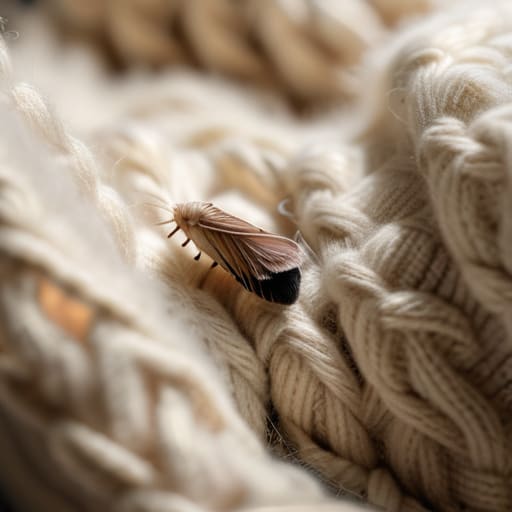
Here’s the thing: moths aren’t actually interested in your “vintage-inspired” aesthetic; they are looking for a buffet. To understand why your favorite heavy-knit sweater is suddenly sprouting holes, you have to look at the clothing moth lifecycle. It’s not the flying adults that do the damage—they’re mostly just clumsy little guys looking for a mate. The real culprits are the larvae. They crave the proteins found in natural fibers like wool, silk, and cashmere, and once they settle into a dark corner of your closet, they start eating.
If you’ve ever found a tiny, silken tunnel tucked into a seam, that’s a sign of a serious infestation. They love to hide in the places we forget to check, like the underside of a collar or deep within a heavy fold of fabric. This is why cleaning clothes before storage is absolutely non-negotiable. Even a tiny, invisible drop of sweat or a microscopic skin cell left on a high-GSM wool blank is basically a five-star invitation for them to start a colony. Once they’ve moved in, they don’t just nibble; they can completely compromise the structural integrity of your best pieces.
Cleaning Clothes Before Storage to Save Your Investment
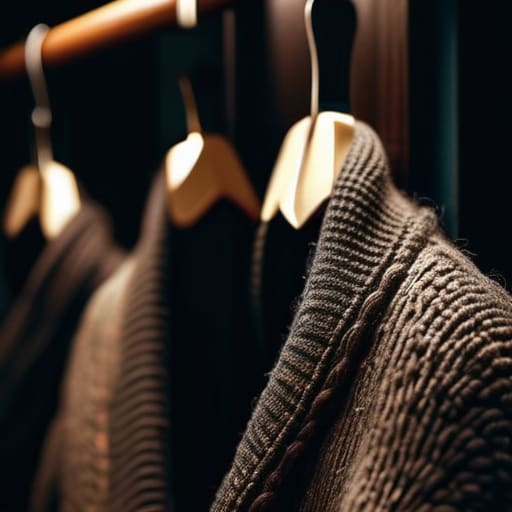
Look, I’ve seen too many people toss a “vintage” find straight into a storage bin without a second thought. If you’re serious about cleaning clothes before storage, you need to understand that even a tiny, invisible smudge of sweat or a microscopic food spill is basically a dinner bell for pests. Moths aren’t just looking for the fabric; they are hunting for the organic proteins left behind by your skin. If you leave a wool sweater in the back of the closet with even a hint of body oil on the collar, you’re essentially inviting them to a buffet.
I always tell my clients that a quick “sniff test” isn’t enough. You need to actually launder everything—following the care labels, obviously—or give them a proper steaming to kill any potential larvae. I’m not saying you need to dry clean every single item, but if you’re protecting wool garments that you actually care about, don’t skip this step. It’s much easier to wash a shirt now than it is to try and patch a hole where a larva decided to make a home in your favorite knit.
Five Ways to Stop Moths From Eating Your Profits (And Your Favorite Knits)

- Ditch the cheap cedar blocks for actual airtight containers. I’ve seen people rely on a few scraps of cedar to protect a whole drawer of heavy cottons, but honestly? Cedar is more of a scent-masker than a physical barrier. If you’re storing anything high-value or high-GSM, use vacuum bags or airtight plastic bins. If air can’t get in, the larvae can’t either.
- Don’t be lazy with the laundry before you pack things away. You might think a vintage band tee looks clean, but if there’s even a trace of sweat or skin cells on that fabric, you’re basically setting out a buffet for moth larvae. Even if it doesn’t smell, wash it. I’ve learned the hard way that “looking clean” and “being biologically clean” are two very different things when it comes to textile preservation.
- Vacuum your storage spaces like your life depends on it. Moths love the dust and lint that settle in the corners of closets and under dresser drawers—it’s basically a nursery for them. I make it a point to hit the crevices of my studio storage every few months because once they’ve established a base in your shelving, no amount of lavender sachets is going to stop the infestation.
- Be ruthless about checking your “off-season” stock. Every time I pull a box of garments out of storage, the first thing I do is turn everything inside out and inspect the seams and underarms. That’s where they hide. If you see even one tiny hole or a bit of weird webbing, don’t just shrug it off; treat it like a crime scene before it spreads to the rest of your collection.
- Use pheromone traps as a diagnostic tool, not a cure-all. I keep a few of these around my workspace, not because they’ll fix a massive problem, but because they act like an early warning system. If you see a bunch of moths stuck in a trap, you know you have a breeding issue somewhere in your stash that needs immediate, aggressive attention before it ruins your best blanks.
The Bottom Line: Don't Let Your Best Pieces Become Moth Food
If it’s got organic fibers or high-quality wool, treat it like it’s fragile—moths don’t care about the brand name on the tag, they just care about the protein in the fabric.
Never, ever store anything that’s even slightly worn; a single microscopic skin cell or a tiny drop of sweat is basically an open invitation for a larvae party.
Invest in airtight storage like vacuum bags or heavy-duty bins rather than just tossing things in a wooden chest, because if the air can get in, the pests can too.
Frequently Asked Questions
Can I just use those little cedar blocks, or are they actually useless against a real infestation?
Look, I love the smell of cedar as much as anyone, but let’s be real: cedar blocks are a deterrent, not a cure. They work by masking scents to keep moths from finding your stash, but they won’t stop an active infestation. If you’ve already got larvae eating through your vintage knits, a little wood block isn’t going to save your margins. Think of cedar as a “keep away” sign, not a bodyguard.
Does it really matter if I store my heavy knits in plastic bins instead of breathable cotton bags?
Honestly? It matters a lot. I know plastic bins feel safer because they’re airtight, but they’re actually a trap for heavy knits. If there’s even a tiny bit of moisture trapped in those thick fibers, you’re basically building a greenhouse for mold and mildew. I always opt for breathable cotton bags. They let the fabric breathe while keeping the moths out, which is way better for preserving the integrity of your high-GSM pieces.
If I find a tiny hole in a vintage band tee, is it already too late to save the rest of my collection?
Not necessarily, but you need to act fast. One tiny hole usually means a larva has already found a snack. If it’s just one tee, isolate it immediately—toss it in a sealed bag so it doesn’t go rogue. Check the rest of your stash for “grazing” marks or fine webbing. If the rest of your collection looks clean, you’ve likely caught it early, but don’t get complacent. Inspect your high-GSM favorites weekly.