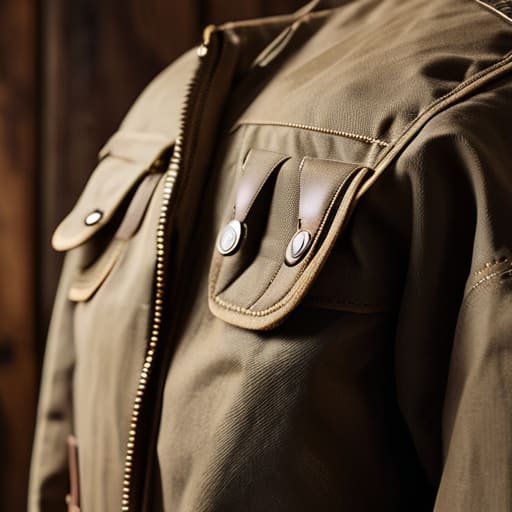
I remember sitting on the floor of my first shared studio, surrounded by half-printed blanks and a pile of “premium” puffer jackets that had literally fallen apart at the seams after three weeks. It was infuriating. Everyone was talking about brand prestige and seasonal drops, but nobody was talking about the fact that the zipper was a cheap plastic afterthought or that the insulation was basically recycled fluff. When people talk about investing in outerwear, they usually think they’re paying for a logo or a specific aesthetic, but most of the time, you’re just paying a massive markup for marketing fluff that won’t actually keep you dry in a downpour.
I’m not here to tell you which runway looks are going to be “in” next month. Instead, I want to pull back the curtain on what actually makes a jacket worth your hard-earned money. We’re going to talk about the real stuff: denier counts, the structural integrity of a storm flap, and why a higher GSM actually matters when the temperature drops. I promise to give you the unfiltered truth about construction and materials so you can stop throwing money at trends and start buying pieces that actually last.
Why Weatherproof Garment Longevity Beats Seasonal Aesthetics
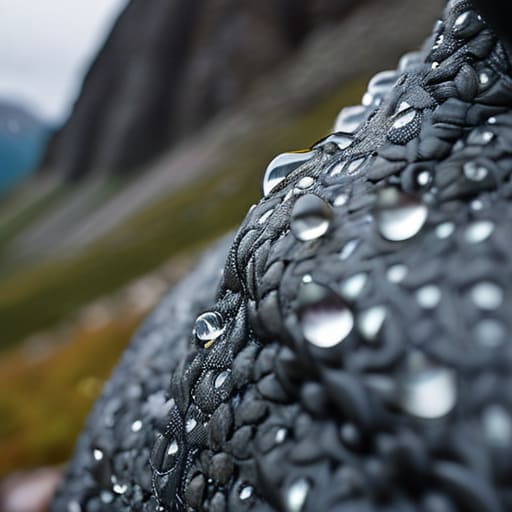
Look, I get the pull of a “drop.” There is something visceral about seeing a specific colorway or a silhouette that everyone is suddenly wearing on my feed. But as someone who has spent more time hunched over a cutting table than scrolling TikTok, I see the trap. Most seasonal aesthetics are built on a foundation of planned obsolescence. You buy a jacket because the cut is “in,” but three months of actual wear—the kind involving real rain or wind—and the DWR coating fails or the seams start to fray. That’s not a wardrobe; it’s a countdown to a landfill.
If you want to actually build a rotation that survives the elements, you have to pivot toward weatherproof garment longevity. I’m talking about looking past the branding and obsessing over the actual construction. When I run the cost per wear calculation on a piece, a $400 shell that lasts five winters beats a $60 “trend” jacket every single time. You aren’t just buying a layer; you’re making a sustainable fashion investment in high-quality fabric technology that won’t fall apart the moment the temperature drops.
The Truth About High Quality Fabric Technology and Your Margins
Everyone wants to talk about “innovative membranes” and “breathable tech,” but most of the time, it’s just expensive marketing jargon used to justify a massive markup. When I’m looking at a spec sheet, I don’t care how many buzzwords they’ve slapped on the hangtag; I want to know about the actual weave and the denier of the face fabric. If a brand is pushing high-quality fabric technology but they’re using a low-density ripstop that tears if you look at it wrong, your margins are going to vanish the moment customers realize the product is flimsy.
You have to look past the shiny finish. A truly smart sustainable fashion investment isn’t just about using recycled polyester—it’s about whether that material can actually withstand a season of heavy wear without delaminating. If you’re building a brand, you need to understand that a higher upfront cost for a robust shell means fewer returns and more loyalists. At the end of the day, if the fabric doesn’t hold its integrity, no amount of clever branding will save your reputation.
Stop chasing the look: 5 ways to actually vet your outerwear production
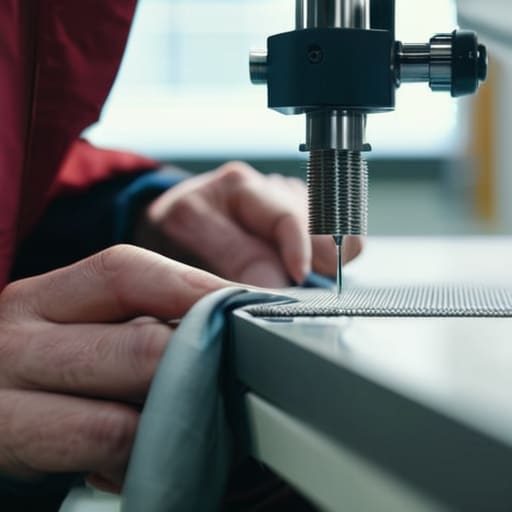
- Check the seam tape, not just the waterproof rating. I’ve seen so many brands slap a “waterproof” label on a shell only to realize the internal seams are completely raw and leaking. If you aren’t looking at how those seams are taped or bound, you’re selling a glorified windbreaker, not technical gear.
- Prioritize hardware weight over aesthetic finishes. A high-end recycled nylon shell is wasted if the zippers are cheap, lightweight plastic that’s going to snag or teeth-split after three months of heavy use. Invest in YKK or equivalent; the cost per unit is higher, but the returns on customer trust are massive.
- Don’t get blinded by “hand-feel” in fabric swatches. A fabric can feel incredibly soft and luxurious in a studio setting, but you need to know how it performs under tension and after a wash cycle. If you don’t ask for abrasion resistance specs, you’re just investing in a garment that’s going to pill and look trashed by mid-season.
- Look for construction density, specifically in the stress points. I always turn a sample inside out first because that’s where the truth lives. If the armholes and pocket corners aren’t reinforced with extra stitching or bar tacks, that “premium” jacket is going to rip the first time someone actually uses it for its intended purpose.
- Demand transparency on the GSM of the lining. A lot of brands save money by using a paper-thin, low-density lining that makes the whole jacket feel flimsy and cheap. A substantial mid-weight lining adds structure and drape, making the garment feel like an actual piece of equipment rather than a fast-fashion afterthought.
The bottom line: What actually matters when you're scaling
Stop chasing the “drop” cycle and start looking at construction; a heavy-duty shell with reinforced seams might cost more upfront, but it’s the only way to build a brand that doesn’t end up in a landfill after six months.
Get obsessed with the technical specs—if your suppliers can’t give you a straight answer on GSM or water column ratings, they’re selling you marketing fluff, not outerwear.
Prioritize durability over aesthetics in your sourcing, because the most loyal customers aren’t the ones following a trend, they’re the ones who realize your gear is the only thing actually keeping them dry.
Frequently Asked Questions
If I'm looking at a tech shell, how do I tell if the waterproofing is actually a durable membrane or just a cheap DWR coating that's going to wash off in three months?
Look, don’t just trust a “waterproof” tag. DWR (Durable Water Repellent) is just a chemical spray on the surface; it makes water bead up, but once it wears off from friction or washing, the fabric just soaks through. To see if there’s actual substance, check the specs for a membrane—like Gore-Tex or eVent. If they can’t tell you the specific laminate or the hydrostatic head rating, they’re just selling you a fancy raincoat that’ll fail by next season.
At what point does investing in a higher GSM actually become a liability for weight and wearer comfort?
Look, there’s a sweet spot between “premium weight” and “wearing a literal rug.” If you push your GSM too high without considering the drape, you’re just making a stiff, boxy garment that feels suffocating. Once the fabric loses its ability to move with the body, you’ve failed. You want structure, not a heavy-duty canvas that makes the wearer feel like they’re trapped in a cardboard box. Balance that density with a smart weave.
How much of the "premium" price tag on high-end outerwear is actually going into construction like taped seams and reinforced stitching versus just brand marketing?
Honestly? A lot of it is just paying for the logo. Don’t get me wrong, taped seams and double-needle reinforced stitching aren’t cheap—they take time and actual technical skill to execute—but if a jacket costs $800 and the interior finish looks like a rushed DIY project, you’re subsidizing a marketing budget, not craftsmanship. I always flip my gear inside out first. If the seam allowances are messy, that “premium” price tag is just hype.