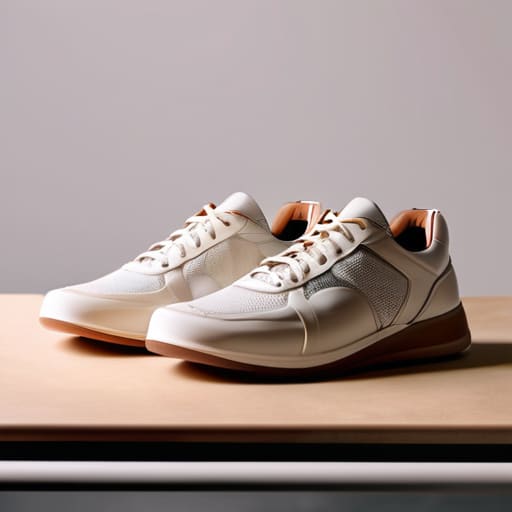
I spent three hours last Tuesday hunched over a sewing machine, trying to figure out why a specific heavy-weight cotton felt like cardboard while another felt like silk, and it hit me: we spend so much time obsessing over colorways and “drops” that we completely ignore how things are actually built. It’s the same nonsense with footwear. You see a pair of kicks online, they look incredible, you hit buy, and then you realize the toe box is a structural nightmare that pinches your pinky toe into oblivion. People act like it’s just “how the shoe is,” but honestly, understanding sneaker fit differences by brand is more about understanding the last, the volume, and how much a manufacturer is actually cutting corners on the internal structure.
I’m not here to tell you which pair is going to make you the coolest person in the room or which hypebeast collab is worth your rent money. Instead, I want to get into the actual mechanics of why a size 10 in one silhouette feels like a size 9 in another. I’m going to break down how different brands approach width and volume so you can stop wasting money on shoes that look great but feel like a punishment.
Why a Sneaker Size Chart Comparison Is a Dangerous Lie
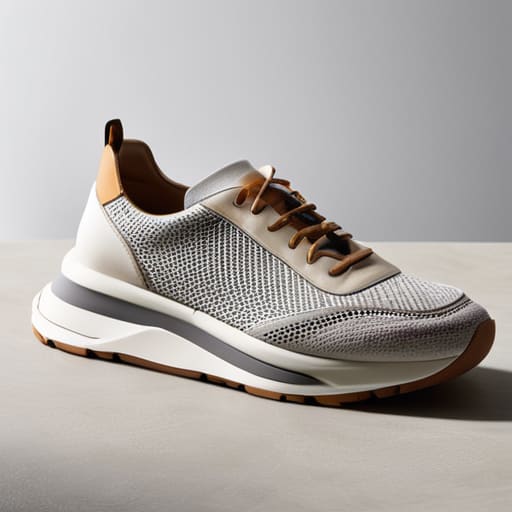
Look, I spent years obsessing over how a single millimeter of seam allowance can ruin the drape of a heavy jersey tee, so don’t think I don’t see the same nonsense happening in footwear. When you look up a sneaker size chart comparison online, you’re basically looking at a collection of marketing lies. Those charts assume your foot is a perfect, static geometric shape that fits into a standardized box. But in reality, a brand’s “Size 10” is just a suggestion, not a law. They don’t account for how different lasts are shaped or how much tension is in the upper material.
The real problem is that these charts completely ignore brand specific sizing nuances like the actual volume of the footbed. You can follow a guide to the letter, but if you don’t account for the sneaker toe box depth, you’re going to end up with crushed toes regardless of what the paper says. A chart tells you the length, but it won’t tell you if the silhouette is going to pinch your midfoot into oblivion. Stop trusting the numbers and start looking at the actual construction.
Decoding Brand Specific Sizing Nuances and Build Quality
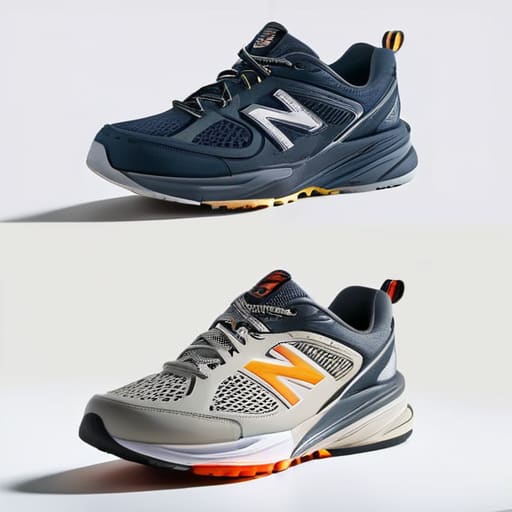
Once you stop trusting those generic charts, you have to start looking at the actual geometry of the shoe. It’s not just about length; it’s about the sneaker toe box depth and how much volume is actually inside the upper. I’ve spent way too many hours dissecting how different lasts are shaped. For example, a brand like New Balance often leans into a more forgiving, anatomical shape, whereas some of the sleeker, more “fashion-forward” silhouettes feel like they were designed specifically to punish anyone with anything resembling a human foot. If you’re navigating brand specific sizing nuances, you have to realize that a “size 10” is essentially a suggestion, not a law.
You also can’t ignore the lateral squeeze. Some brands build their midsoles with a much tighter taper, which makes them feel incredibly restrictive if you aren’t used to a very specific profile. If you’re constantly bouncing between narrow vs wide sneaker brands, stop looking at the number on the box and start looking at the construction of the vamp. If the material is stiff, that “perfect fit” is going to turn into a blister by lunch.
Stop guessing and start measuring: 5 ways to actually get the fit right
- Stop trusting the “True to Size” tag like it’s gospel; most brands use different last shapes, so if you’re moving from a narrow Adidas silhouette to a wider New Balance, you’re going to feel that structural shift immediately.
- Learn to read the volume, not just the length; a size 10 might fit your toes, but if the toe box is shallow, you’re going to spend the whole day fighting your own foot.
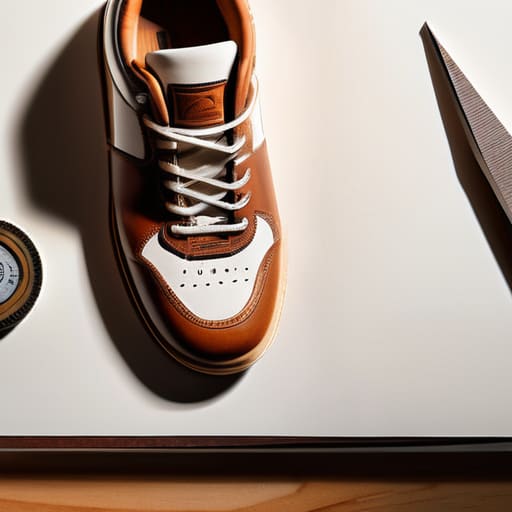
- Check the materials before you buy; a stiff, heavy-duty leather sneaker is never going to stretch the way a knit or canvas upper does, so if it feels “just okay” in the shop, it’s going to be a nightmare by week three.
- Don’t be afraid to size up for the padding; some brands go heavy on the internal foam lining which eats up your actual foot space, making a standard fit feel like a structural chokehold.
- Treat your feet like they change—because they do—so if you’re buying high-end builds meant to last years, account for how your foot expands throughout the day rather than just how it feels during a five-minute fitting.
The bottom line: Stop shopping by the number
Forget the number on the box; start looking at the last and the volume, because a size 10 in a narrow-cut silhouette is going to crush your metatarsals regardless of what the label says.
Stop falling for “true to size” marketing—it’s a lazy catch-all that ignores how different brands use different lasts, meaning a shoe that fits perfectly in one brand might feel like a structural disaster in another.
Treat your footwear like actual gear, not just hype—if you aren’t accounting for how the upper construction and the width of the toe box actually interact with your foot, you’re just burning money on a pair that’ll be unwearable in a week.
Frequently Asked Questions
If I find a pair that fits perfectly, should I just buy them in every color regardless of the brand's usual sizing?
Look, I get the impulse—if the fit is finally right, you want to hoard them. But please, don’t do that. Even within one brand, different colorways often use different factories or different “last” molds. A classic white leather trainer might be built on a totally different structural base than a mesh runner in the same colorway. Check the SKU and the construction first; otherwise, you’re just buying a closet full of expensive mistakes.
How much does the actual material—like leather versus heavy canvas—affect how much these shoes are going to stretch out over time?
Look, if you’re buying heavy canvas, you’re basically buying a shape that’s going to stay put. It’s structural; it’s not going to morph much. But leather? That’s a living material. It’s going to breathe, soften, and—crucially—stretch to accommodate your foot’s specific quirks. If you’re between sizes in a leather boot, go smaller. If you don’t account for that inevitable stretch, you’re going to be walking around in loose-fitting puddles by next month.
Is there a way to tell if a "wide fit" is actually a structural difference or if it's just lazy pattern cutting?
Look, most “wide fit” releases are just lazy pattern cutting—they basically just widen the toe box without adjusting the volume or the pitch. If the silhouette looks bloated or the leather starts gaping at the sides, they just stretched the pattern instead of actually re-engineering the last. A real wide fit should feel intentional, not like you’re wearing a clown shoe. If the structural integrity feels off, it’s just marketing fluff to cover up bad geometry.