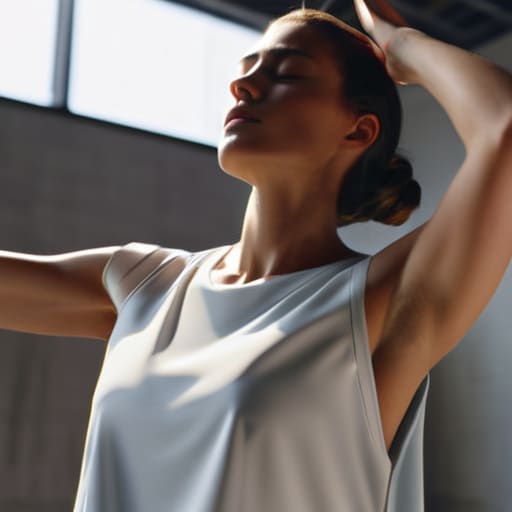
I still remember the first heavy-weight hoodie I tried to pattern-cut in my shared studio; I was so obsessed with making it look “boxy” and “street” that I completely ignored the actual geometry of a human shoulder. The second I reached forward to grab a screen-printing squeegee, the entire garment yanked upward, pinning my arms to my ribs like I was wearing a straightjacket. It was a massive wake-up call that “aesthetic” means absolutely nothing if you sacrifice movement and range in clothing for a specific silhouette. You can have the perfect oversized drop-shoulder look, but if the armhole is cut too low or the fabric lacks the right recovery, you aren’t wearing a piece of art—you’re wearing a restriction.
I’m not here to sell you on the latest “athleisure” hype or tell you which brand is trending on TikTok this week. Instead, I want to pull back the curtain on the technical stuff that actually matters, like how grainlines and seam allowances dictate whether you can actually live in your clothes. We’re going to skip the marketing fluff and get straight into the real mechanics of construction so you can build pieces that feel as good moving as they look standing still.
How Activewear Seam Placement Prevents That Uncomfortable Pull
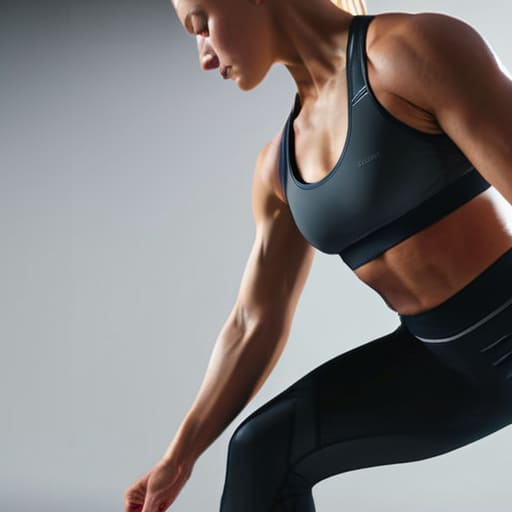
If you’ve ever tried to do a deep squat in leggings only to feel like the fabric is trying to perform an unprompted surgery on your hips, you’ve experienced bad seam placement. It’s not always the fabric’s fault; often, it’s just poor garment construction for mobility. When a designer places a seam directly over a high-tension area—like the center of the glute or the peak of a shoulder blade—it creates a pivot point that resists your body. Instead of the garment moving with you, the thread acts like a tether, pulling the fabric taut against your skin in a way that feels incredibly restrictive.
To avoid that “trapped” sensation, I always look for ergonomic garment design that shifts those structural lines away from the most active joints. You want seams that follow the natural contours of your musculature rather than cutting straight across them. When the seams are strategically offset, they allow the four-way stretch technology of the knit to actually do its job. It’s the difference between a piece of clothing that feels like a second skin and one that feels like you’re wearing a poorly fitted wetsuit.
The Truth About Ergonomic Garment Design and Real World Utility
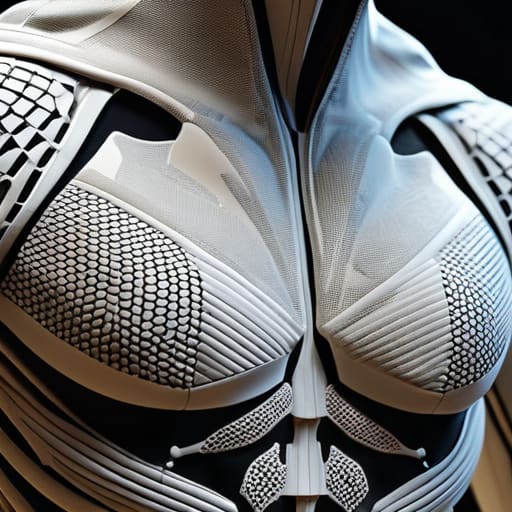
Most brands slap a “performance” label on a piece of clothing and call it a day, but real ergonomic garment design is way more technical than a marketing tag. It’s not just about adding spandex; it’s about how the pattern actually interacts with your skeleton. I’ve spent way too many hours hunched over a cutting table realizing that if you don’t account for the body’s natural pivot points, the fabric is going to fight you every time you reach for something. You can have the most expensive recycled nylon in the world, but if the garment construction for mobility is fundamentally flawed, you’re just wearing an expensive restriction.
I’m talking about the difference between a shirt that feels like a second skin and one that feels like a cage. To get it right, you have to understand textile flexibility and performance at a granular level. It’s about how the weave responds to tension and where the stress points sit during a stride or a lift. If the designer didn’t map out the tension zones, you’ll end up with that annoying “ride-up” effect that makes you want to strip the clothes off mid-workout. Real utility isn’t a trend; it’s math.
Stop Designing for Mannequins: 5 Ways to Actually Build for Human Bodies
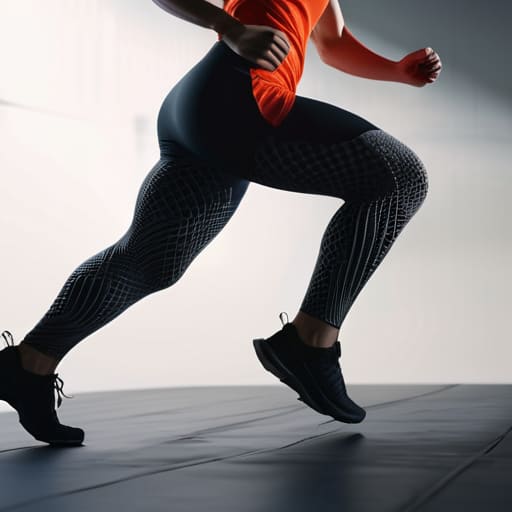
- Check your ease. If you’re designing a garment that follows the body’s silhouette too closely without adding “design ease,” your wearer is going to feel like they’re wearing a second skin that’s two sizes too small the second they try to sit down or reach for something.
- Stop ignoring the crotch depth. In trousers or joggers, if that rise is too shallow, you aren’t just creating a bad fit—you’re creating a physical restriction that makes every step feel like a struggle against the fabric.
- Watch your seam direction. I’ve seen so many cheaply made pieces where the seams are placed exactly where the body bends the most; if the seam isn’t positioned to allow for that natural articulation, the fabric is just going to dig in and chafe.
- Don’t skimp on the knit’s recovery. It doesn’t matter how much stretch is in a fabric if it doesn’t snap back; if the recovery is trash, the garment will bag out at the knees or elbows after ten minutes of movement, and then you’re just wearing a shapeless sack.
- Test the armhole height. A high armhole actually gives you more range of motion because it allows the sleeve to move independently of the torso, whereas a massive, low-hanging armhole means every time you lift your arm, the whole shirt lifts with it.
The TL;DR on why your clothes actually move with you
Stop obsessing over the silhouette and start looking at the seam placement; if the construction doesn’t follow the natural pivot points of your body, you’re just wearing a restrictive cage.
High-quality fabric weight (GSM) isn’t just about feeling “premium”—it’s about structural integrity that holds its shape instead of bunching up and digging into your skin mid-movement.
True utility is found in the details like seam allowance and ergonomic cutting, not in whatever aesthetic is currently blowing up on your feed.
Frequently Asked Questions
If I'm looking for something that actually moves with me, how much does the fabric's stretch percentage actually matter compared to the way it's cut?
Look, everyone obsesses over the “stretch” percentage on the tag, but that’s half the battle. You can have a high-elastane blend, but if the pattern is cut like a rigid rectangle, you’re still going to feel restricted. I’ve seen plenty of “stretchy” techwear that feels like a straightjacket because the grainline is all wrong. It’s the marriage of the two: the fabric provides the recovery, but the cut provides the actual freedom.
Can a heavy-weight GSM fabric actually provide good range of motion, or am I just going to feel restricted by the weight?
It’s a valid fear, but honestly? Weight doesn’t equal restriction—construction does. If you’ve got a heavy 400 GSM fleece but the pattern is cut like a rigid rectangle, you’re basically wearing a weighted blanket that fights your every move. But if the maker actually understands drape and articulated joints, that heavy fabric can feel incredibly premium without feeling like armor. It’s all about the pattern cutting, not just the density of the knit.
How can I tell if a brand is actually using ergonomic pattern cutting versus just slapping the word "active" on a standard, poorly-fitted template?
Flip the garment inside out—seriously, do it. If you see straight, perpendicular seams that don’t follow the natural curves of a body in motion, it’s just a standard block with “active” slapped on the tag. Look for articulated joints, gusseted crotches, or seams that actually curve around a limb. If the pattern looks like it was cut for a mannequin standing perfectly still, it’s going to fail you the second you actually move.