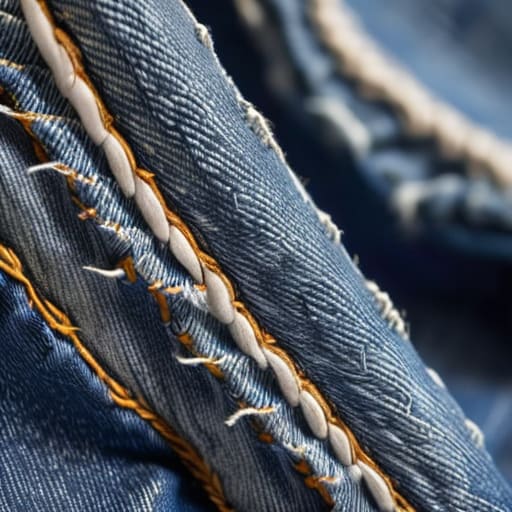
I spent three hours last Tuesday squinting at a pair of “pre-distressed” jeans in a boutique window, and honestly, I almost walked out. The brand was charging a premium for whiskers that looked like they were drawn on with a Sharpie, completely ignoring the fact that real denim fades and personal wear should be a slow, messy conversation between the fabric and your actual life. You shouldn’t have to pay extra for a factory to simulate the way you sit, walk, or even how you pull your phone out of your pocket. To me, that’s just expensive cosplay, and it’s a total insult to the craft of heavy-duty indigo.
I’m not here to sell you on a “vintage aesthetic” or tell you which brand is trending on TikTok this week. Instead, I want to talk about the actual mechanics of the weave—the stuff that matters when you’re looking at grain and weight. We’re going to dive into how different selvedge weights react to your specific movement and why the integrity of the construction determines whether your jeans become a second skin or just fall apart at the seams.
The Raw Denim Aging Process Beyond Surface Level Aesthetics
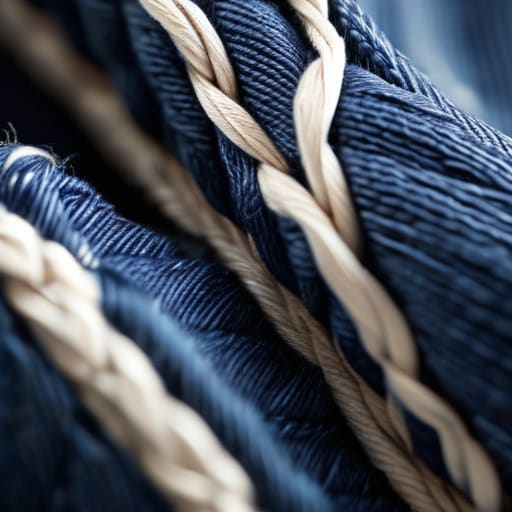
Most people see a pair of faded jeans and think it’s just about the color washing out, but it’s way more structural than that. When we talk about the raw denim aging process, we aren’t just talking about a fading wash; we’re talking about how the physical tension of your body interacts with the weave. Every time you sit down or bend your knees, you’re creating micro-abrasions. These aren’t random. You’ll see the indigo dye depletion happen most aggressively at the honeycombs behind the knees and the whiskers at the lap because that’s where the fabric is under the most stress.
It’s easy to get caught up in chasing those high contrast fades you see on Instagram, but those are usually the result of years of specific movement, not a magic laundry hack. To really understand how to achieve better denim fades, you have to stop looking at the surface and start looking at the grain. A heavy, 14oz fabric is going to hold its shape and develop a much more intentional selvedge denim patina than some flimsy, pre-distressed junk from a fast-fashion mall brand.
How Indigo Dye Depletion Maps Your Daily Movement
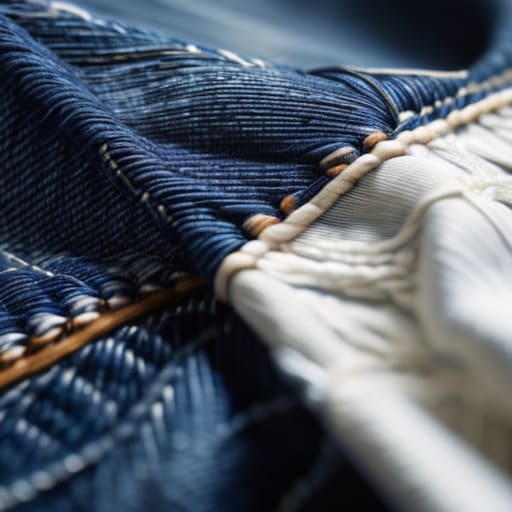
If you’ve ever spent a week in a pair of stiff, unwashed jeans, you know they feel more like armor than clothing. But that rigidity is exactly where the magic happens. The way the indigo wears off isn’t random; it’s a physical map of your life. I always tell people to stop looking at the color and start looking at the friction points. Every time you sit down at a desk, your thighs rub against the chair, and every time you climb stairs, the fabric bends at the knees. This constant micro-abrasion is what drives indigo dye depletion, stripping the pigment away to reveal the white core of the yarn underneath.
It’s not just about the big areas, though. The real character comes from the subtle stuff—the way the fabric bunches at your hips or how the pocket edges start to lighten. These denim wear patterns are entirely unique to your anatomy and your habits. You can buy a pair of pre-distressed jeans that look “vintage,” but they’ll never have the soul of a pair that has actually lived with you. You’re essentially sculpting the fabric through movement.
Stop Treating Your Denim Like a Disposable Basic
- Forget the “wash every six months” rule if you actually want character. If you wash too often, you’re just stripping the indigo before it has a chance to bond with the friction of your own life. If they smell fine, just hang them near a window and let the air do the heavy lifting.
- Pay attention to the weight, not just the brand. A 12oz denim is going to behave completely differently than a heavy 16oz raw selvedge. The heavier the fabric, the more “memory” it has, meaning the creases from your specific stride are going to set much deeper and faster.
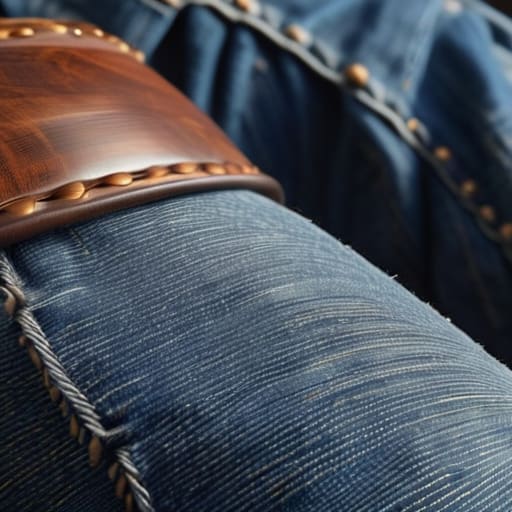
- Watch your hardware. If you’re constantly leaning against rough surfaces or sitting on metal edges, those high-friction points are going to blow out your fades in weeks. It’s not a “flaw”—it’s just the fabric reacting to your environment, so decide if you want a fast fade or a slow burn.
- Stop using those aggressive, heavy-duty detergents. Most of them are designed to strip stains out of cheap cotton, which is exactly what you don’t want when you’re trying to preserve the indigo grain. Use a gentle, pH-neutral soap or just plain water to keep the dye from migrating too quickly.
- Check the grain before you buy. If you want those crisp, vertical whiskers, you need to look for a tight, consistent weave. If the fabric feels limp or uneven in the shop, it’s going to fade like a muddy mess rather than showing those sharp, high-contrast lines that actually tell a story.
The Bottom Line on Your Denim
Stop chasing “pre-distressed” looks; the best fades aren’t made in a factory with sandpaper, they’re earned through the specific way you sit, walk, and move in your clothes.
Weight matters more than the brand name on the tag—higher GSM denim holds its shape longer and allows for those sharp, high-contrast fades that cheap, lightweight blends just can’t pull off.
Real character comes from the tension between the weave and your lifestyle, so if you want a pair of jeans that actually tells a story, invest in quality construction and then just live your life in them.
Frequently Asked Questions
If I’m washing my jeans to keep them clean, am I basically just nuking all the character I've spent months building?
Look, I get the panic. You’ve spent six months nursing those high-contrast whiskers and you don’t want to see them vanish in a single cycle. But “nuking” is a strong word. If you’re talking about a heavy-duty hot wash with cheap detergent, then yeah, you’re basically resetting your progress to zero. But if you’re just spot-cleaning or doing a cold soak to kill the funk, you aren’t killing the character—you’re just managing the grime.
Does the weight of the denim—like, the actual GSM—really change how the high-contrast fades look compared to lighter fabrics?
It absolutely does. Think of it like this: a heavy, high-GSM denim has more “structural memory.” Because the fabric is denser, the indigo sits deeper in the weave, and the creases formed by your movement are sharper and more permanent. Lighter fabrics tend to wash out more uniformly, which is fine if you want a “vintage” look, but if you want those aggressive, high-contrast whiskers and honeycombs, you need that heavier weight to hold the shape.
I keep seeing people talk about "honeycombs" and "whiskers," but how much of that is actually my body shape versus just how the fabric was woven?
Honestly, it’s a bit of both, but your body does most of the heavy lifting. Think of the weave as the canvas and your movement as the brush. The way the denim is constructed—the weight and the rigidity of that raw fabric—determines where the creases can form, but your specific anatomy, like how you sit or walk, dictates exactly where those whiskers and honeycombs actually live. It’s a blueprint of your habits.