
I remember sitting on a milk crate in my first shared studio, surrounded by the smell of plastisol ink and cheap coffee, staring at a spreadsheet that made zero sense. I had spent my entire small savings on a batch of premium heavyweights, only to realize I had no idea how to actually move them without some “guru” charging me a fortune for a masterclass. Everyone talks about the magic of markets and direct selling like it’s this effortless, aesthetic dream, but they conveniently leave out the part where you’re sweating over shipping costs and wondering if your margins are even breathable.
I’m not here to sell you on a lifestyle or some overnight success story fueled by TikTok trends. Instead, I want to pull back the curtain on the actual mechanics of what makes a brand sustainable. We’re going to skip the fluff and talk about the real math—the stuff like customer acquisition costs, inventory turnover, and why your direct-to-consumer margins might be thinner than a cheap jersey knit. I promise to give you the unfiltered reality of building a business that actually lasts, rather than just chasing the next hype cycle.
Mastering Vendor Stall Management Over Aesthetic Trends
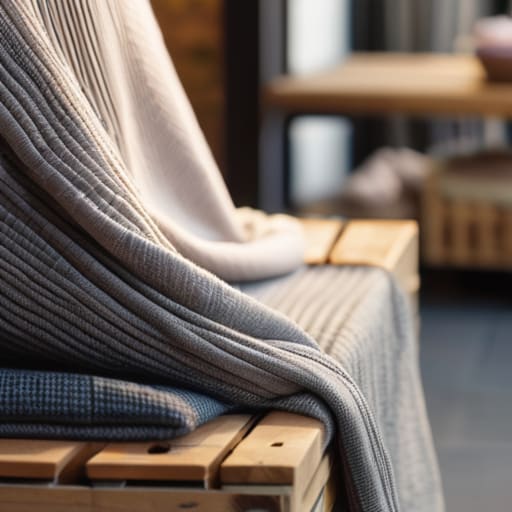
I’ve spent way too many Saturdays standing behind a folding table, watching people walk past a beautifully curated, “aesthetic” setup just because they felt intimidated by how much it looked like a museum. You can spend a fortune on linen tablecloths and dried eucalyptus, but if your vendor stall management doesn’t prioritize accessibility, you’re just decorating a graveyard for your inventory. I’ve learned that a cluttered, approachable spread actually beats a sterile, high-concept one every single time. People want to touch the fabric; they want to feel the weight of a heavy-duty cotton jersey without feeling like they’re trespassing on a piece of art.
Instead of chasing every fleeting local artisan market trend that pops up on my feed, I focus on actual customer engagement strategies that bridge the gap between curiosity and a sale. It’s about being able to explain why my seam allowance is wider or why a specific knit won’t pill after three washes. When you stop performing “brand vibes” and start talking shop, you move from being a spectacle to being a maker. That’s where the real connection—and the actual profit—happens.
Direct to Consumer Sales Channels Built on Real Margins

Look, everyone wants to talk about building a massive Shopify empire, but if you’re running a small-scale production, you need to look at your direct-to-consumer sales channels through a lens of actual math, not just aesthetic vibes. I’ve seen so many makers get caught up in the “drop” culture, spending their entire budget on high-end packaging only to realize their shipping costs and platform fees have eaten their entire profit margin. It’s exhausting. Instead of chasing every new social media algorithm, I’m much more interested in how you’re calculating the cost of a single unit against your overhead.
If you can’t make a profit selling one shirt at a time, a massive marketing campaign isn’t going to fix your business model; it’s just going to help you lose money faster. I’m a huge advocate for sustainable small business retail models that prioritize high-margin, low-volume sales. This means knowing exactly what your COGS (cost of goods sold) is down to the last spool of thread. Whether you’re shipping a single parcel or chatting with someone in person, your goal should be protecting that margin so you can actually afford to keep the lights on in your studio.
Stop Chasing the Aesthetic and Start Calculating the Reality

- Audit your COGS (Cost of Goods Sold) before you even think about a market fee. If you haven’t factored in the actual cost of your thread, your shipping boxes, and the literal hours you spent pattern cutting, your “profit” is just a hallucination.
- Treat your inventory like it’s finite, because it is. Don’t dump your entire small-run production into a single pop-up; keep enough back for your direct sales channels so you aren’t left with zero stock when your website actually starts performing.
- Learn to read your customers’ hands, not just their eyes. If someone is touching a garment, they are feeling the weight and the finish. If your GSM is high but your seams are messy, they’ll know, and they won’t buy. Use that tactile moment to justify your price point.
- Build a direct mailing list that isn’t just a collection of emails, but a community of people who actually care about the craft. A market is great for a quick cash injection, but your long-term survival depends on the people who buy from you when you aren’t physically standing in a stall.
- Stop over-investing in “market-ready” packaging that looks pretty but costs a fortune. A recycled paper sleeve and a solid brand story are worth way more than a custom-printed, gold-foiled box that eats up 15% of your margin before you’ve even made a sale.
The Real Bottom Line: What Actually Keeps Your Studio Running
Stop chasing the aesthetic of the week; if your margins are thin because you’re overspending on “trendy” packaging or overpriced blanks, you aren’t building a brand, you’re just subsidizing a hobby.
Your direct sales success depends on knowing your numbers—specifically your true cost per unit—down to the last cent of seam allowance and shipping buffer.
Focus on building a customer base that values the actual construction and longevity of your pieces, rather than a crowd that’s only going to buy from you because you hit a specific micro-trend.
Frequently Asked Questions
How do I actually calculate my break-even point for a market stall when I'm factoring in the unpredictable cost of shipping blanks and studio rent?
Look, stop trying to guess. You need a real number. Add up your fixed costs—that studio rent that never seems to budge—and your variable costs per piece, like the actual landed cost of your blanks (shipping included, don’t skip this). Divide your total fixed costs by your contribution margin per garment. That’s your magic number. If you aren’t selling that many units just to cover the basics, your pricing is a fantasy.
Is it actually worth investing in a standalone website, or am I better off just sticking to social media DMs and local pop-ups to keep my overhead low?
Look, I get the temptation to stay small and scrappy with DMs and pop-ups—it keeps the overhead low and the vibes high. But DMs are a logistical nightmare once you actually start scaling. You’ll spend more time chasing payments and confirming sizes than actually producing. A standalone site isn’t just about “looking professional”; it’s about automating the boring stuff so you can focus on the craft, not playing secretary in your inbox.
When I'm sourcing smaller quantities for direct sales, how do I vet a supplier to make sure their "premium" cotton isn't just a marketing lie?
Stop listening to the adjectives. If a supplier calls it “luxury” or “premium,” they’re usually just trying to pad their margins. Ask for the technical specs: the GSM (grams per square meter) and the actual fiber composition. If they won’t give you a spec sheet, walk away. I always order samples first—not to check the print, but to feel the hand-feel and check the tension in the knit. If it feels thin or scratchy, the marketing is lying.