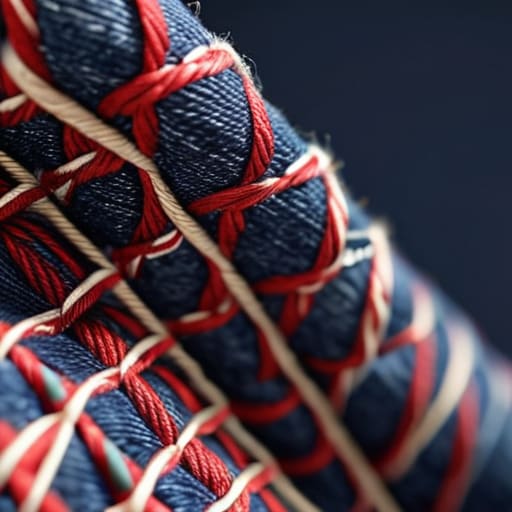
I remember sitting on the floor of my first shared studio, surrounded by half-finished screen prints and a mountain of cheap, mass-produced blanks that felt more like paper than fabric. I was trying to figure out why some jeans felt like they’d fall apart after three washes while others seemed to gain character every time you wore them. I spent way too much money early on chasing “premium” labels, only to realize that most of the marketing was just noise. If you’re currently staring at a price tag and trying to figure out if selvedge denim explained actually means “better quality” or just “better branding,” I get it. It’s exhausting when the industry treats basic construction like it’s some kind of secret magic trick.
I’m not here to sell you on a lifestyle or tell you which brand is currently “vibey” on social media. Instead, I’m going to pull back the curtain on the actual mechanics of the loom and why that clean, finished edge is a sign of how the fabric was woven. We’re going to talk about tension, shuttle looms, and why you should actually care about the structural integrity of your denim. No fluff, just the technical reality of what you’re paying for.
The Shuttle Loom Weaving Process Is Where Quality Begins
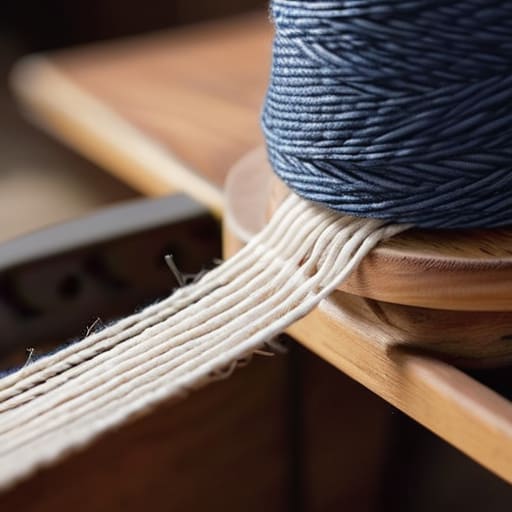
To understand why some jeans feel like they’ll last a decade while others fall apart after three washes, you have to look at the machine doing the heavy lifting. Most modern denim is churned out on projectile looms—high-speed monsters that prioritize volume over everything else. But if you’re looking for the real deal, you have to go back to the shuttle loom weaving process. These older machines are slower and a bit more temperamental, but they create a fabric with a specific, slightly irregular texture that modern mass production just can’t replicate.
When I’m inspecting a roll of fabric, I’m looking for that intentional character. Because a shuttle carries the filling yarn back and forth across the warp, it creates that clean, finished edge we call the selvedge. This isn’t just a aesthetic flex; it’s a fundamental part of the denim fabric construction. That tight, self-finished edge prevents the fabric from fraying and gives the garment a structural integrity that cheap, wide-loom denim lacks. It’s the difference between a piece of clothing that’s built to be worn and one that’s just built to be sold.
Why Denim Fabric Construction Dictates Your Long Term Cost
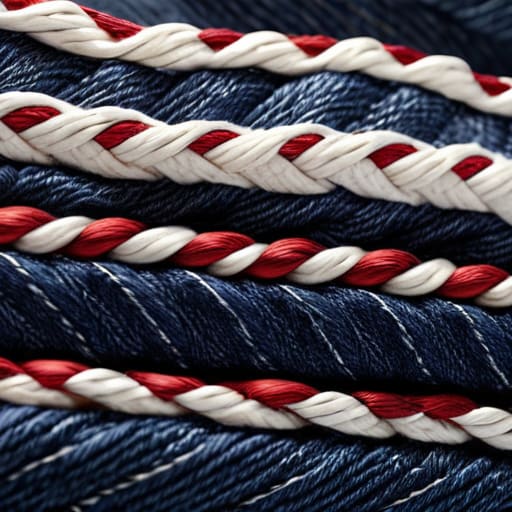
Look, I know the sticker shock on a pair of high-end jeans can feel like a personal attack, but you have to stop looking at the price tag and start looking at the denim fabric construction. When you buy a cheap, mass-produced pair, you aren’t just paying for a brand; you’re paying for a garment designed to fall apart after six months of washing. They use faster, modern projectile looms that create a loose, inconsistent weave. It feels fine in the fitting room, but it lacks the structural integrity to actually hold up over years of wear.
This is where the math of premium denim manufacturing actually starts to make sense. When you invest in something made via traditional vintage denim techniques, you’re paying for density. A tighter, more disciplined weave means the indigo stays where it’s supposed to, and the fabric develops those characterful fades instead of just thinning out and blowing out at the crotch. If you’re constantly replacing $40 jeans every season, you’re actually spending way more than the person who bought one solid pair of selvedge three years ago.
How to actually spot the real stuff (and avoid the marketing traps)
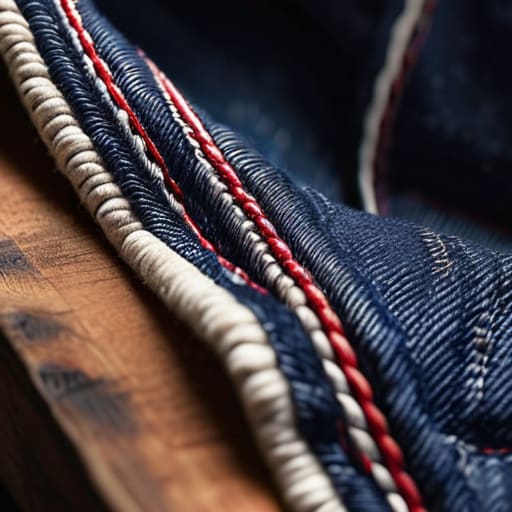
- Flip the jeans inside out first. I do this with every garment I touch. You need to check the selvedge ID—that clean, finished edge on the outseam. If it’s frayed or looks like a standard overlock stitch, it’s just regular denim with a fancy label.
- Stop obsessing over the brand name and start looking at the weight. A heavy GSM (grams per square meter) in denim usually means a denser weave from a shuttle loom. If the fabric feels thin or “stretchy” right off the rack, it’s probably not true selvedge.
- Look for the “slub.” Real shuttle-loomed denim isn’t perfectly smooth like something you’d find at a fast-fashion giant. It’s going to have these tiny, intentional irregularities in the texture. That’s not a defect; that’s the character that makes the fades look good later.
- Check the hardware and the stitching. If a brand is charging you a premium for “selvedge” but using cheap, flimsy zippers or thin thread that looks like it’ll snap in a month, they’re just using the fabric to mask poor construction.
- Ignore the “distressed” look. The whole point of buying high-quality selvedge is to let the garment develop its own history through your own movement. If it comes pre-ripped or chemically washed to look vintage, you’re paying extra to kill the very thing that makes the fabric special.
The bottom line on your denim investment
Stop chasing the “distressed” look; if you want jeans that actually age with you instead of falling apart at the crotch, you have to prioritize the way the fabric was woven on a shuttle loom.
Selvedge isn’t just a fancy aesthetic for your Instagram feed—it’s a literal indicator of a tighter, more controlled weave that prevents the edges from fraying into a mess after three washes.
Think about the long game: paying more upfront for a heavy, selvedge construction means you’re buying a garment that lasts years, rather than cheap, mass-produced denim that ends up in a landfill by next season.
Frequently Asked Questions
If I'm buying selvedge, how do I actually tell the difference between a real shuttle-loomed edge and some cheap imitation?
Look, don’t let a fancy “selvedge-style” label fool you. The easiest way to tell is to flip the denim inside out and look at the seam. Real shuttle-loomed fabric has that clean, finished edge with a distinct colored thread (usually red) woven right into the selvage. If it looks like a standard overlock stitch or a messy, frayed edge that’s just been tucked away, it’s a fake. If the edge is straight and continuous, you’ve actually got the real deal.
Does the weight of the denim (the GSM/oz) actually change how the selvedge edge looks after a bunch of washes?
It’s a massive factor. Think of it this way: heavier denim (those high-ounce, chunky weights) has more structural integrity, so that selvedge ID stays crisp and defined. Lighter weights tend to ripple or “wave” more after a heavy wash cycle because the fabric lacks the tension to hold its shape. If you want that clean, architectural look to the edge, don’t chase the lightweight trends—go for the heavier GSM.
Is it actually worth the extra cash to go selvedge if I'm just going to wear these jeans every single day?
Look, if you’re planning on living in these, the answer is a massive yes. When you wear denim every single day, you’re essentially putting the fabric through a stress test. Cheap, mass-produced denim uses faster, looser weaves that tend to lose their shape or develop weird, structural “blowouts” way too early. Selvedge is denser and more predictable. You aren’t just paying for a fancy edge; you’re paying for a garment that actually survives your lifestyle.