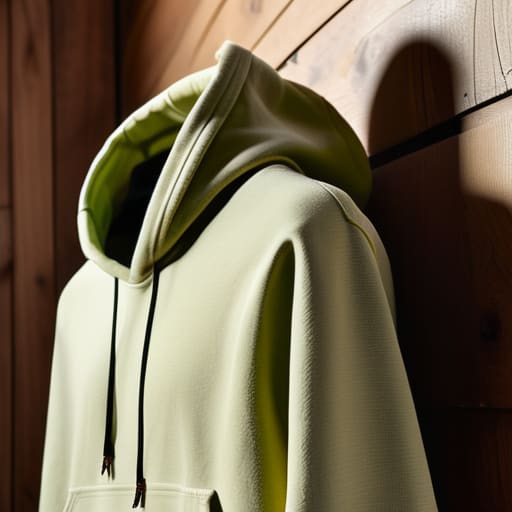
I was standing in a shared studio three years ago, staring at a “sustainable” heavy-weight hoodie that had just arrived for a small print run, and I honestly wanted to scream. The marketing tag was screaming about organic cotton, but the moment I turned it inside out—my bad habit, I know—I saw the truth: the seam allowances were nonexistent and the tension was so loose it would warp after two washes. It’s the ultimate scam. We’re being sold this idea that making sustainable choices in streetwear just means clicking a “recycled” checkbox, but if the construction is garbage, it’s just expensive landfill fodder waiting to happen.
I’m not here to sell you on another viral drop or a brand that uses “green” as a personality trait. I want to talk about what actually matters: the GSM of the fabric, the integrity of the stitching, and why a high-quality blank is the only real way to shop ethically. I’m going to pull back the curtain on the industry and show you how to spot the difference between genuine craft and clever marketing, so you can build a wardrobe that actually lasts.
Why High Gsm Matters More Than Eco Friendly Labels
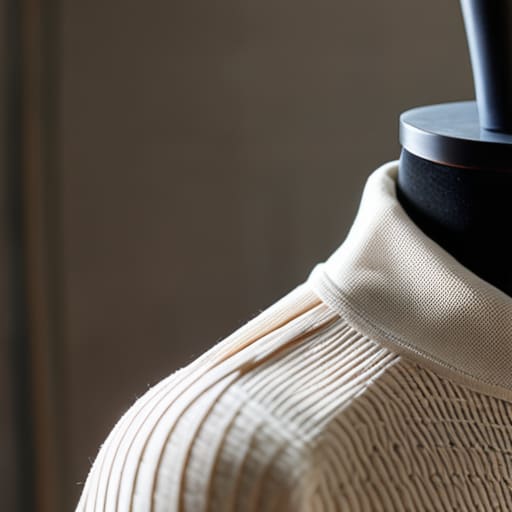
Look, I’ve seen it a thousand times: a brand slaps a “recycled” tag on a flimsy, 140 GSM poly-blend tee and calls it a revolution. It’s a distraction. If you’re buying into the hype of recycled textile streetwear but the shirt loses its shape after three washes, you aren’t actually helping the planet; you’re just participating in a faster cycle of waste. A high GSM (grams per square meter) isn’t just about that heavy, premium feel—it’s about structural integrity.
When I’m checking out new blanks for my own runs, I’m looking for weight that actually holds a silhouette. A heavy, high-quality cotton construction means the garment survives the agitation of a washing machine and the friction of daily wear. This is where the slow fashion movement actually lives—not in a marketing slogan, but in the literal density of the fibers. If a piece is built to last five years instead of five months, the “eco” math finally starts to make sense. Don’t let a green label trick you into buying something that’s destined for a landfill by next season.
The Real Cost of Fast Fashions Weak Seam Allowances
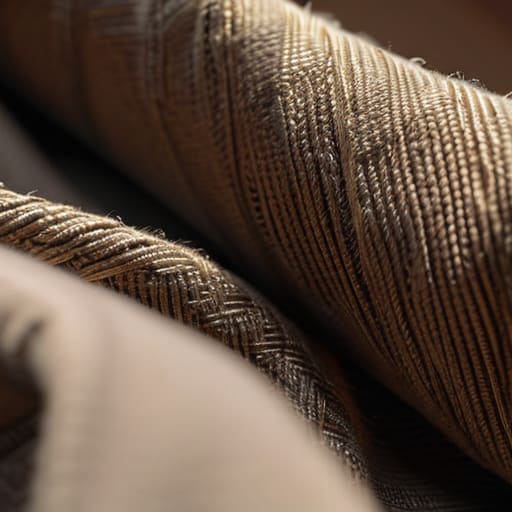
If you want to know why your favorite hoodie looks amazing on a mannequin but falls apart after three washes, stop looking at the brand name and start looking at the inside. I’ve spent way too many hours at my cutting table seeing how much money gets shaved off by cutting seam allowances down to the absolute bare minimum. When a brand skimps on that extra bit of fabric inside the garment, they aren’t just saving cents; they are ensuring the whole piece is structurally unstable. Once that first thread pulls, the entire silhouette is gone.
This is where the slow fashion movement actually meets reality. It’s easy for ethical streetwear brands to claim they use organic cotton, but if they’re using overlock stitching that’s so tight it puckers the fabric, that “eco” shirt is still heading straight for a landfill in six months. Real longevity isn’t just about the fiber; it’s about how the pieces are held together. If there’s no room for the fabric to breathe or shift, you aren’t buying a staple—you’re buying a disposable trend.
How to actually shop like you give a damn

- Stop reading the “eco” tag and start feeling the weight. If a brand claims to be sustainable but the shirt feels like a wet paper towel, they’re lying to you. A heavy, high-GSM fabric isn’t just a vibe; it’s a durability insurance policy.
- Check the seams, not the aesthetic. Turn the garment inside out—I do it every single time—and look for overlocked edges and consistent stitching. If the thread looks like it’s barely holding on, that piece is destined for a landfill by next season.
- Ignore the “drop” culture. The most sustainable thing you can do is stop treating clothing like a collectible trading card. If you don’t actually need it to survive the week, don’t buy it just because a TikToker said it was “essential.”
- Look for natural fiber blends that actually make sense. I’m not saying avoid everything synthetic, but if a “sustainable” piece is 90% polyester just to save on production costs, it’s not helping the planet; it’s just harder to recycle later.
- Buy for the repair, not just the wear. Before you tap ‘checkout,’ ask yourself: if this hem unravels or a button pops, is it worth the effort to fix? If the construction is too cheap to bother repairing, it’s not a purchase—it’s a temporary loan from the trash heap.
The Cheat Sheet for Not Getting Ripped Off
Stop falling for “sustainable” marketing if the garment is paper-thin; a high GSM (grams per square meter) is your first line of defense against clothes that turn into landfill fodder after three washes.
Always flip the garment inside out—if the seam allowances are narrow and the overlocking looks like a bird’s nest, it doesn’t matter how “eco” the cotton is, the construction is built to fail.
Real sustainability isn’t about chasing a specific aesthetic or a viral drop; it’s about investing in heavy-duty blanks and sturdy stitching so you aren’t replacing your entire wardrobe every six months.
Frequently Asked Questions
If I'm looking for heavy-duty blanks that actually last, what specific fabric blends should I be checking for beyond just "100% cotton"?
Look, “100% cotton” is a great start, but it’s not a magic spell for durability. If you want something that won’t lose its shape after three washes, hunt for cotton-poly blends—specifically around 80/20. That bit of polyester actually helps the garment hold its structure and resist that weird, limp stretching. Also, keep an eye out for combed cotton; it’s smoother and tougher because they’ve spun out the short, scratchy fibers that lead to pilling.
How can I tell if a brand is actually using better construction methods or if they're just using "sustainable" buzzwords to hide cheap manufacturing?
Look, don’t let the “recycled polyester” tag distract you. If a brand is shouting about sustainability but the neck ribbing is paper-thin or the stitching is a messy, single-needle nightmare that’ll unravel after three washes, they’re lying to you. Flip the garment inside out. Check the seam allowances—if they’re skimpy, it’s cheap labor. Real quality is found in the weight of the drape and the integrity of the construction, not a green logo on a hangtag.
Since I'm trying to avoid the landfill cycle, is it better to invest in one high-GSM heavyweight piece or a few mid-weight items with reinforced stitching?
Honestly? Go for the heavyweight piece. I’ve spent way too many hours at the cutting table seeing how mid-weight fabrics just lose their shape after three washes. If you’re buying a high-GSM garment that’s actually built with decent construction, you’re buying years of wear, not just a season. A few mid-weight items might feel like a “variety” win, but if they lack structural integrity, you’re just buying landfill fodder in installments. Invest in the heavy hitter.