I remember sitting on the floor of my first shared studio, surrounded by half-printed tees and a mountain of samples that looked identical on a screen but felt like sandpaper in my hands. I’d spent three hours meticulously checking the tension on a new batch of blanks, only to realize the supplier had swapped the heavy-duty cotton for a flimsy, high-poly blend that would shrink after one wash. It’s infuriating because everyone talks about counterfeits and protection like it’s some high-level legal battle involving lawyers and blockchain, but in the real world, it’s much more visceral than that. It’s about the heartbreak of realizing your “premium” stock is actually just a clever imitation designed to bleed your margins dry.
I’m not here to sell you on some expensive, tech-heavy security suite that sounds great in a boardroom but does nothing on the cutting table. Instead, I want to pull back the curtain on what actually matters: the tactile reality of your production. We’re going to talk about how to spot the technical red flags in construction and how to build a supply chain that actually defends itself through quality. I’ll show you how to protect your craft by focusing on the specs that scammers can’t easily replicate.
Detecting Fake Products Before They Erase Your Margins
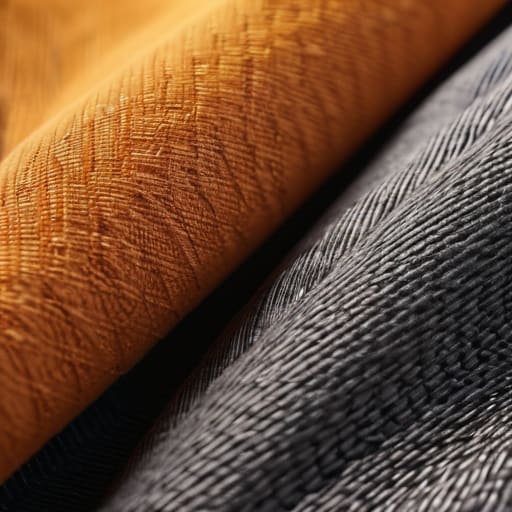
Look, if you’re running a small label, you don’t have a massive legal team to hunt down every person slapping your logo on a low-grade poly-blend. But you do have to be your own first line of defense. Detecting fake products isn’t just about spotting a misspelled logo; it’s about noticing when the physical reality of the garment doesn’t match your tech pack. If your specs call for a heavy 300 GSM organic cotton and suddenly a “replica” pops up with that thin, scratchy texture that feels like a cheap grocery store tee, you have a problem.
You need to treat supply chain security as a fundamental part of your design process, not an afterthought. I always tell people to look at the tiny details—the tension in the overlock stitching, the weight of the woven label, or the specific grain of the fabric. These are the things that scammers find too expensive to replicate. Integrating some basic anti-counterfeiting technology, even something as simple as a unique, high-density print or a specific custom hardware finish, makes it much harder for them to mimic your craft without looking like absolute garbage.
Why Intellectual Property Rights Matter More Than Fabric Weight
Look, I love a heavy-duty 400 GSM fleece as much as the next person, but you can have the most perfect drape and the cleanest French seams in the world, and it won’t mean a thing if someone else is legally allowed to clone your entire identity. I spent months perfecting a specific oversized silhouette and a custom wash, only to see a fast-fashion site rip off the exact proportions and call it their own. This is where intellectual property rights move from being “boring legal stuff” to being your actual lifeline. Without them, you aren’t just losing a few sales; you’re losing the right to exist as a distinct creator.
If you don’t have a solid grasp on trademark infringement prevention, you’re essentially building a house on sand. You can obsess over the thread count and the way a screen print sits on the chest, but if your brand’s visual DNA is being scavenged by bots and mass-producers, your hard work becomes public domain for anyone with a thermal printer and zero ethics. Protecting your designs isn’t just about vanity; it’s about ensuring that the brand integrity strategies you implement actually have a legal backbone to stand on when things get messy.
How to Spot the Fraud Before It Hits Your Inventory
- Check the grainline on the fabric. If you’re looking at a “luxury” piece and the fabric is twisting or pulling weirdly to one side, it’s a cheap knockoff using low-grade, unevenly woven material that’ll warp after one wash.
- Turn the garment inside out immediately. I don’t care how good the screen print looks on the front; if the overlock stitching is messy and the thread tension is all over the place, you’re looking at a counterfeit that cut every corner possible.
- Look for the “phantom” labels. Counterfeiters are notorious for getting the font weight or the spacing wrong on the care labels. If the text looks blurry or the GSM isn’t actually what the tag claims, walk away.
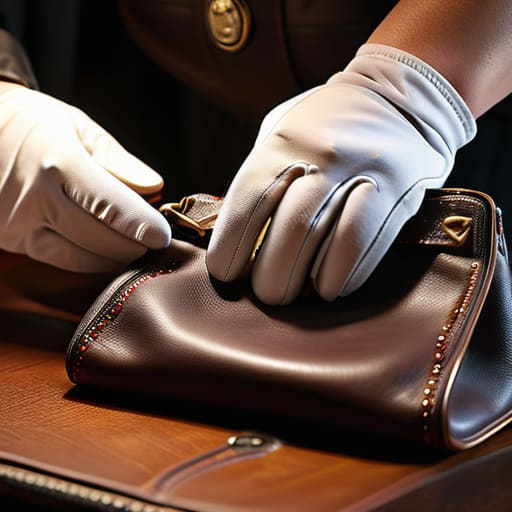
- Inspect the hardware density. Real zippers and heavy-duty aglets aren’t cheap. If the metal feels light, hollow, or plasticky, it’s a sign that the manufacturer prioritized speed over the actual specs of the original design.
- Verify the seam allowance. A genuine garment has enough room in the seams to actually hold its shape; fakes often use a razor-thin seam allowance to save on fabric costs, which means the whole thing will fall apart the second it hits a washing machine.
The TL;DR on not getting played
Stop looking at the logo and start feeling the weight; if the GSM doesn’t match the spec sheet, it’s a counterfeit, period.
Protecting your designs isn’t just some legal headache—it’s the only way to stop people from strip-mining your hard work and selling it as cheap junk.
If you’re building a brand, you have to vet your suppliers like they owe you money, because a bad batch of “inspired” blanks will tank your reputation faster than a bad print.
Frequently Asked Questions
If I find a supplier offering my exact specs at half the price, how do I know if they're actually cutting corners on the fabric or if they've just found a way to bypass the IP?
Look, if the price drops by 50% and your specs haven’t changed, someone is lying to you. It’s almost never a “secret efficiency.” Usually, they’ve swapped your high-GSM cotton for a polyester blend that feels like sandpaper after one wash, or they’ve cut the seam allowances to the absolute limit to save fabric. If you can’t physically touch the roll, assume they’re skimming on the quality to make up that margin.
Is it even worth trying to fight small-scale knockoffs on social media, or am I just throwing good energy after bad?
Look, I get it. Seeing a $15 version of your $60 heavyweight hoodie pop up on a random TikTok shop feels like a personal insult. Is it worth the energy? Honestly, if you’re chasing every single tiny account, you’ll burn out before you even finish your next sample run. Focus on the big ones that actually threaten your brand’s identity. For the small-scale stuff, just keep building a community that knows the difference between real craft and a cheap imitation.
How do I protect my specific patterns and print placements without spending my entire production budget on legal fees?
Look, I get it. You want to spend your money on high-quality heavyweights, not a retainer for a lawyer. Honestly? Start by documenting everything. Take high-res photos of your tech packs, your pattern measurements, and your exact print placements before they hit the factory. It’s about creating a paper trail. Also, don’t just hand over your files to every random printer; find people you trust. Protecting your craft starts with being stingy with your digital assets.