
I spent three years in a shared studio watching people buy $400 “designer” hoodies just to throw a flimsy flannel over them, thinking they were mastering the art of the look. It’s infuriating. Most people treat layering as a technique for aesthetic fluff, but they completely ignore the physics of it. If you’re stacking a heavy-weight fleece over a thin, low-GSM jersey, you aren’t “styling”—you’re just creating a lumpy, uncomfortable mess that ruins your silhouette and makes you sweat the second you step indoors.
I’m not here to show you a mood board or tell you what’s trending on TikTok. Instead, I want to talk about the actual construction of an outfit. I’m going to break down how to use layering as a technique by focusing on fabric weights, seam interference, and how to actually balance your proportions without looking like you’re wearing a costume. We’re going to look past the marketing hype and focus on how the actual build of a garment dictates whether your layers work together or just fight each other for space.
The Physics of Thermal Regulation Through Clothing
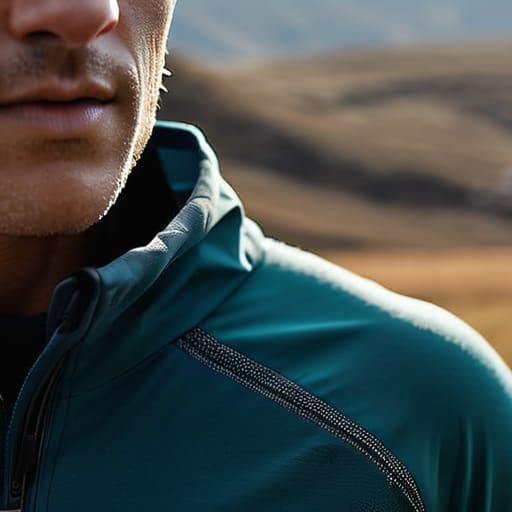
People talk about layering like it’s just a way to look “aesthetic” in a photo, but if you actually care about how you feel, it’s pure physics. At its core, thermal regulation through clothing is about managing the microclimate between your skin and the fabric. When you stack pieces, you aren’t just adding bulk; you are creating trapped pockets of air. That air is your best friend—it acts as an insulator. If you just throw on one massive, heavy hoodie, you’re essentially trapping all your heat in one thick block, which is a recipe for sweating through your shirt the second you step indoors.
The real trick is understanding the relationship between your base layer vs outer layer. You want a tight-fitting, moisture-wicking base to move sweat away from your skin, followed by something with enough structure to hold that air pocket. If your mid-layer is too thick or made of a cheap, non-breathable synthetic, you’re going to lose that temperature control entirely. It’s not about how many clothes you can cram on; it’s about engineering the space between the fibers so you don’t overheat or freeze.
Base Layer vs Outer Layer Why Gsm Matters
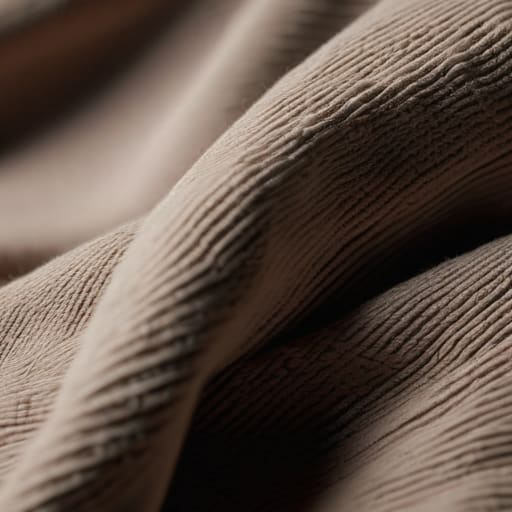
Here’s where most people trip up: they treat every piece in their wardrobe like it has the same structural integrity. If you try to shove a heavy, 400 GSM fleece directly against your skin, you’re going to feel itchy, restricted, and probably a bit sweaty. The whole point of the base layer vs outer layer dynamic is to manage how fabric interacts with your body and the air around it. I always tell my clients to look for a lighter, tighter knit for that bottom layer—something around 150 to 180 GSM—that moves with you rather than fighting you.
Once you’ve got that foundation set, you can actually start playing with styling proportions for silhouettes. This is where you bring in the heavy hitters. You want a high-density outer layer—think a rugged 450 GSM hoodie or a stiff canvas jacket—to act as the structural shell. If you get the weight math wrong, you end up with that awkward, bulky look where your clothes just bunch up around your waist. When you respect the GSM hierarchy, you aren’t just following trends; you’re actually building a functional kit.
Stop Dressing Like a Human Onion: 5 Ways to Actually Layer
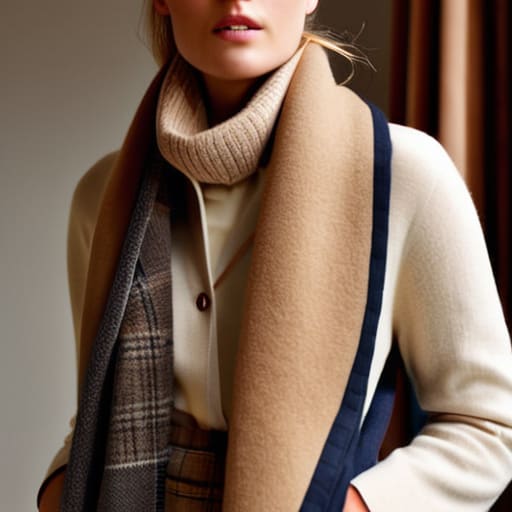
- Watch your seam allowances. If you’re layering a heavy fleece over a chunky knit, those thick seams are going to fight each other and create weird, bulky lumps under your arms that make you look like you’re wearing a life jacket.
- Respect the GSM hierarchy. Your base layer needs to be a lower GSM (think 150-180) so it sits close to the skin without adding bulk, leaving room for your heavier, high-GSM outer shells to do the actual work of blocking wind.
- Check the drape, not just the color. I always turn my pieces inside out to check the construction; if a mid-layer has a stiff, cheap structure, it’s going to break the silhouette of your expensive overcoat and make the whole outfit look messy.
- Don’t ignore the necklines. If you’re layering a crew neck under a zip-up, make sure the collar weights are balanced. A flimsy, stretched-out collar on a base tee will make your entire top layer look saggy and unkempt.
- Mind the fabric friction. If you try to layer a rough, heavy canvas jacket over a delicate silk or thin synthetic blend, the fabrics are going to snag and pull. Match your textures so they actually slide over each other instead of fighting for space.
The Real Math of Layering
Stop chasing silhouettes and start checking the GSM; if your base layer is too heavy, you’re just building a sweatbox, and if your outer layer lacks density, it won’t hold the structure you’re actually aiming for.
Layering isn’t just about stacking clothes—it’s about managing air pockets, which means your mid-layers need to be breathable enough to let heat escape but substantial enough to keep the wind from cutting right through.
Forget the “aesthetic” for a second and look at the seams; if you’re layering tight knits under heavy structured pieces, you’re going to end up with bunching and friction that ruins the drape and eventually wears out your gear.
Frequently Asked Questions
If I'm layering a heavy fleece over a base layer, how do I stop the hem from bunching up and looking messy?
It usually comes down to the tension between your base layer’s drape and your fleece’s weight. If your base is too thick or has a stiff hem, it’s going to fight the fleece. I always check the inside of my pieces first—if that base layer is bunching, it’s because the GSM is too high or the fabric is too “grippy.” Aim for a lightweight, smooth jersey base. It needs to skim the body, not fight it.
Is there a specific GSM range I should look for in a base layer so it doesn't feel like I'm wearing a wet towel under my hoodie?
Look, if you go anything above 180 GSM for a base layer, you’re basically just wearing a second hoodie, and that’s where the “wet towel” feeling starts. You want to stay in the 120 to 150 GSM range. You need something lightweight and breathable that sits close to the skin without adding bulk. Anything heavier is going to trap too much moisture and ruin your silhouette once you throw that heavy outer layer on top.
How do I balance different fabric textures—like wool and cotton—without the whole outfit looking like a costume?
The trick is to stop thinking about “matching” and start thinking about scale. If you pair a chunky, high-pile wool sweater with a stiff, heavy-duty cotton canvas jacket, you’re going to look like you’re wearing a costume from a period drama. Instead, try pairing a smooth, fine-gauge wool knit with a rugged cotton twill. You want the textures to play off each other’s grit, not compete for the spotlight. Keep the weights balanced, and the outfit stays real.