
I was sitting in my shared studio last Tuesday, staring at a stack of “limited edition” hoodies that had just arrived, and I felt that familiar, sick knot in my stomach. The blanks were thin, the stitching was already fraying at the cuffs, and the brand was already planning their next “drop” to keep the frenzy alive. It’s exhausting. Everyone thinks managing hype responsibly means mastering the art of the artificial scarcity countdown or perfecting your Instagram aesthetic, but they’re missing the point entirely. If you’re building a brand on a foundation of garbage construction and manufactured panic, you aren’t building a legacy; you’re just running a high-speed treadmill toward a massive pile of returns and a dead reputation.
I’m not here to teach you how to manipulate an algorithm or trick people into buying things they don’t need. I want to talk about the actual mechanics of it—how to build something people actually want to keep in their closets for a decade. We’re going to look at how to balance that initial spark of excitement with the technical reality of what you’re actually shipping. I’ll show you how to scale your energy without sacrificing your GSM or your soul, because at the end of the day, a real brand is built on the quality of the seam, not just the noise of the launch.
Balancing Marketing and Reality in Your Production Run
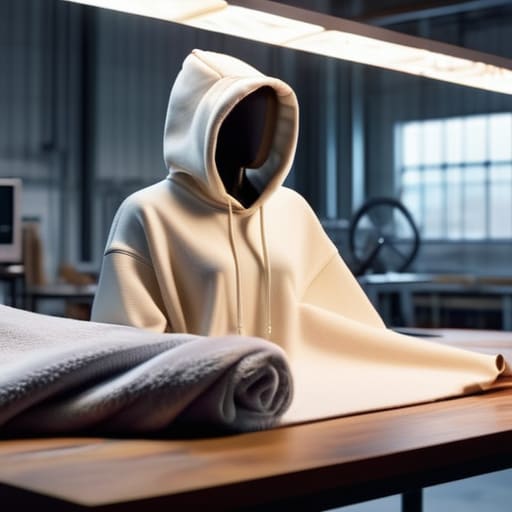
Here is the reality: your Instagram feed can look like a dream, but your production sheet is where the truth lives. I’ve seen so many brands launch with these massive, high-energy campaigns, only to realize they’ve promised a level of quality their actual blanks can’t deliver. It’s the classic trap of balancing marketing and reality. If you’re selling a “premium heavy-weight hoodie” but your tech pack is actually calling for a thin, low-GSM fleece just to save a few cents per unit, you aren’t building a brand—you’re just building a mountain of returns.
When you’re communicating product value accurately, you have to be honest about what the garment can actually do. If you’ve used a specific stitch or a particular fabric weight, talk about that instead of just using buzzwords. It’s much better to under-promise on the “vibe” and over-deliver on the construction. That’s how you actually protect your brand reputation and hype in the long run. I’d much rather have a small, loyal group of people who know exactly what they’re getting than a massive spike in sales followed by a total collapse once the first wash cycle hits.
Communicating Product Value Accurately Beyond the Instagram Filter

Look, we’ve all seen it: a brand drops a high-saturation, professionally lit video of a heavy fleece hoodie, and suddenly everyone thinks they’re buying a piece of wearable art. But when that package arrives and the customer realizes the “premium weight” is actually a thin, scratchy blend that loses its shape after one wash, the vibe dies instantly. You can’t just rely on a heavy filter to hide a lack of substance. Communicating product value accurately means being honest about what the garment actually is. If you’re selling a 300 GSM jersey, say it. If it’s a standard retail fit rather than an oversized boxy cut, tell them.
If you spend all your energy avoiding overpromising in marketing, you actually build something that lasts. I’ve seen too many small labels burn through their initial hype by selling a dream that their production line couldn’t actually deliver. When you prioritize managing consumer expectations over chasing a viral aesthetic, you stop being just another drop and start becoming a brand people actually trust. It’s the difference between a one-hit wonder and a community that actually shows up for your next release.
How to Not Burn Your Brand Down Before the First Drop

- Stop overpromising on the “vibe” if your construction can’t back it up. If you’re marketing a heavyweight, boxy fit but using a thin, drapey jersey that loses its shape after one wash, you aren’t building a brand—you’re just building a pile of returns.
- Be honest about your lead times. I’ve seen so many small labels try to act like massive corporations by promising instant shipping, only to go radio silent when a shipment of blanks gets stuck in customs. Just tell people you’re a small run; people actually respect the grind if you’re transparent about it.
- Use your “hype” windows to educate, not just sell. Instead of just posting a countdown timer on your story, show a close-up of the reinforced stitching or explain why you chose a specific cotton blend. Turn the excitement into an appreciation for the actual craft.
- Don’t scale your marketing before you’ve scaled your quality control. It is incredibly easy to get caught up in the dopamine hit of a successful pre-order, but if you rush the production to meet a deadline and end up shipping out garments with crooked necklines, you’ve just paid to lose your most loyal customers.
- Build a community, not just a customer list. Hype is fleeting, but people who actually understand why your garment is worth the price tag will stick around. Focus on the people who care about the seam allowance and the fabric weight, because they’re the ones who will still be wearing your stuff three years from now.
The Real Cost of Chasing the Hype
Stop prioritizing “vibes” over specs; if you can’t explain your garment’s weight or construction to a customer, you’re just selling them a photo, not a piece of clothing.
Build your brand around the technical details—like seam allowance and fabric density—because that’s what actually keeps people coming back after the initial hype dies down.
Don’t let a trend dictate your production volume; it’s better to have a small, high-quality run of something meaningful than a warehouse full of cheap, flimsy blanks that nobody wants to wear twice.
Frequently Asked Questions
How do I actually figure out if a supplier is lying about their fabric weight or if they're just using clever marketing terms?
Stop listening to the adjectives and start asking for the spec sheet. If a supplier says “premium heavyweight” but won’t give you a specific GSM (grams per square meter), they’re probably hiding a thin, flimsy blank behind some flowery language. When you get your sample, don’t just feel it—weigh it. Literally. Grab a digital scale, weigh a yard of the fabric, and do the math. If the numbers don’t match the pitch, walk away.
If I focus more on the technical specs like seam allowance and GSM, am I going to lose the "cool factor" that drives sales?
Honestly? No. If your brand is built entirely on a vibe and nothing else, you’re just a hype machine, and those burn out fast. I’ve seen so many “cool” labels collapse because their blanks were paper-thin and their stitching fell apart after two washes. When you lead with the specs—the heavy GSM, the reinforced seams—you aren’t killing the cool; you’re building authority. You’re telling people your clothes are actually worth the hype.
At what point does a limited drop stop being a smart way to manage stock and start just being a way to trick people?
It stops being smart the second the “scarcity” is manufactured rather than logistical. If you’re actually limiting stock because your small-batch dye house can only handle fifty units, that’s just honest production. But if you’re intentionally undersupplying a high-margin item just to trigger FOMO and drive up secondary market hype, you’re not a producer anymore—you’re a magician. Once the “drop” is more about the psychological trick than the actual garment, you’ve lost the craft.