I was sitting on the floor of a cramped, humid studio three years ago, surrounded by half-finished screen prints and a pile of “premium” jeans I’d bought from a hypebeast brand. I remember pulling one out, turning it inside out just to check the construction, and feeling my heart sink. The stitching was a disaster—loose, uneven, and frankly, insulting. It was a perfect example of how brands use the idea of denim and its cultural weight to charge a markup, while actually delivering nothing but fast-fashion scraps. They want you to pay for the logo, but they aren’t paying for the integrity of the weave.
I’m not here to tell you which celebrity is wearing which wash or what’s going to be “in” next season. Instead, I want to talk about what actually matters: the weight of the fabric, the way the indigo settles into the fibers, and why a high GSM actually changes how a garment lives with you. I’m going to pull back the curtain on the technical reality of denim so you can stop buying marketing fluff and start investing in pieces that actually hold their shape.
From Workwear to High Fashion Denim More Than Just Fabric
I spent my first few months in the studio obsessing over how a single seam could change the way a garment hangs, and it made me realize that the transition from workwear to high fashion denim wasn’t just about changing the price tag. It was a complete shift in how we value the material. Originally, denim was purely functional—heavyweight, rugged, and designed to survive a twelve-hour shift in a factory or a field. You didn’t wear it to make a statement; you wore it because it was the only thing that wouldn’t rip the moment you sat down on a piece of scrap metal.
But as the decades rolled on, the evolution of blue jeans turned that utility into a kind of rebellion. It moved from the hands of laborers into the hands of teenagers in the fifties, and eventually into the hands of designers on a Parisian runway. It’s wild to think that something built for pure durability became a symbol of status. Now, you can buy a pair of jeans that looks “distressed” for hundreds of dollars, even though the whole point of the original fabric was to actually withstand the wear and tear of a life lived hard.
The Socioeconomic Impact of Denim What Your Stitches Say
When we talk about the socioeconomic impact of denim, we aren’t just talking about a change in wardrobe; we’re talking about a massive shift in how class is signaled through fabric. For decades, denim was the uniform of the person doing the heavy lifting—the miners, the farmers, the people whose clothes had to survive a twelve-hour shift. There’s a specific kind of dignity in that heavy-duty construction, but as the evolution of blue jeans moved from the factory floor to the runway, that meaning got complicated. Suddenly, the same weave that signaled manual labor was being sold back to us as a luxury status symbol.
It’s a weird tension to navigate. You see it in how certain denim subcultures through decades have used the fabric to either rebel against the mainstream or to mimic it. When a high-end brand releases a “distressed” pair of jeans for hundreds of dollars, they are essentially commodifying the aesthetic of hard labor without any of the actual grit. I find myself looking at the selvedge edge or the weight of the twill to see if there’s any substance left, or if it’s just another piece of marketing designed to make us feel like we’re part of a history we didn’t actually live.
Beyond the Hype: How to Actually Read Your Denim
- Stop looking at the wash and start feeling the weight. If you’re buying “vintage-style” jeans that feel like thin paper, you’re being sold a lie. Real denim has a structural integrity—usually found in higher GSM (grams per square meter)—that allows it to break in rather than just wearing out.
- Check the selvedge, but don’t let the label blind you. A clean selvedge edge is a beautiful bit of craftsmanship, but it’s not a magic spell for quality. I’ve seen overpriced designer denim with finished edges that falls apart after three washes because the weave itself is trash.
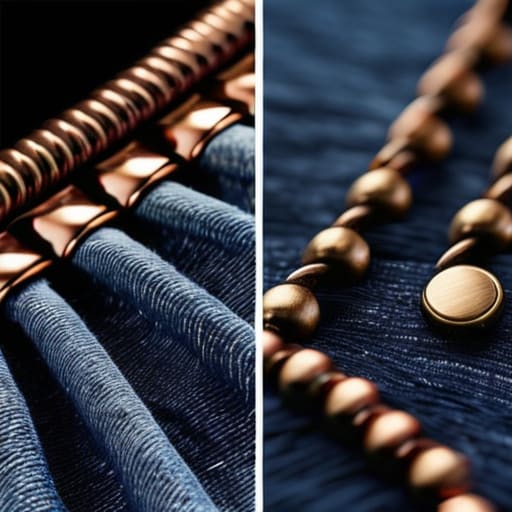
- Look for the hardware, not just the branding. High-quality denim should feel heavy in the hand, and that includes the rivets and the zipper. If the metal feels like hollow plastic, the manufacturer cut corners elsewhere, likely in the tension of the stitching.
- Understand the “fading” trap. A lot of fast-fashion brands use chemical distressing to make jeans look “lived-in” right off the rack. It looks cool for a week, but it lacks the soul of natural wear. Real character comes from how the indigo settles into your specific movements over months, not a factory acid wash.
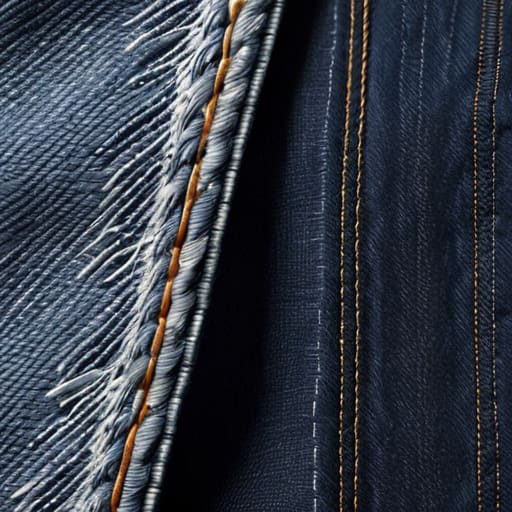
- Inspect the seam allowance and the tension. Flip your jeans inside out—that’s my first move, always. If the stitching is puckering or the thread looks like it’s barely holding the fabric together, it wasn’t built to last. Good denim is an investment in a long-term relationship, not a disposable trend.
The Real Bottom Line
Stop chasing the silhouette and start looking at the weave; the way a fabric holds its shape tells you more about its quality than any brand logo ever will.
Denim isn’t just a trend cycle, it’s a history of labor, so understanding the shift from heavy-duty workwear to luxury goods helps you see through the marketing fluff.
Invest in weight and construction—specifically GSM and seam integrity—because a garment that’s built to last is the only way to actually beat the cycle of disposable fashion.
Frequently Asked Questions
How can I actually tell the difference between a high-quality heavy denim and a cheap, fast-fashion imitation just by feeling it?
Honestly, stop looking at the label and start using your hands. Grab the fabric and give it a squeeze. Cheap, fast-fashion denim feels “crunchy” or unnervingly stretchy, even when it claims to be 100% cotton—that’s usually hidden elastane that’ll bag out in a month. Real, heavy denim should feel substantial, almost structural. You want to feel the grain and a bit of grit from the indigo. If it feels like a thin pajama pant, walk away.
Why does the way a pair of jeans is constructed—like the seam allowance or the weight of the weave—actually affect how they age over years of wear?
It’s all about how the fabric handles stress. If you’re wearing cheap, lightweight denim with narrow seam allowances, the tension from your movement literally pulls at the threads until they snap or fray. But with a heavy GSM and generous internal seams, the fabric has enough structural integrity to “settle” into your body. Instead of breaking down, the weave just shifts, allowing those beautiful, natural fades to happen without the whole garment falling apart.
If denim is so tied to working-class history, why does the industry push so much "distressed" stuff that looks broken before you've even lived in it?
It’s a weird paradox, right? We celebrate the grit of workwear but then pay a premium for “pre-broken” jeans. Honestly, it’s mostly just a shortcut for the consumer. Real character comes from how the indigo fades against your specific movements over years. Distressing is just a way to sell a manufactured aesthetic of “lived-in” history without actually having to do the work of wearing the damn thing. It’s marketing trying to skip the process.