
I was sitting on the floor of my studio last Tuesday, surrounded by a mountain of “vintage” blanks I’d bought for a small run, and I realized I’d been played. I’d spent three hours obsessing over the hype-driven numbers on a resale app, only to realize the actual construction of the pieces was absolute garbage. People are out here losing their minds over resale markets and pricing, treating a 200 GSM cotton tee like it’s some holy relic just because a certain influencer tagged it. It’s exhausting. We’ve reached this weird point where the sticker price has completely detached from the actual quality of the stitch, and frankly, it’s making us all bad collectors and even worse producers.
I’m not here to give you a lecture on how to flip clothes for a quick profit or which brand is “trending” this week. Instead, I want to show you how to look past the digital noise and actually evaluate what a garment is worth based on its physical reality. We’re going to talk about how to spot the difference between a piece that holds value because of its construction and one that’s just riding a wave of artificial scarcity. I promise to keep it real: no fluff, no hype, just the technical truth about why some things hold their worth and others just end up in a landfill.
Resale Value Depreciation Factors You Can Actually Touch
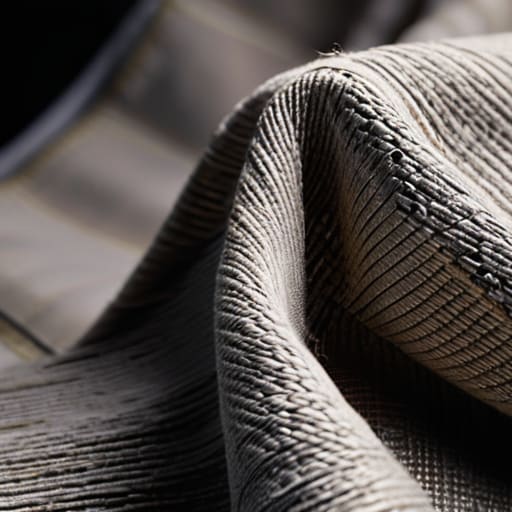
Look, I’ve spent way too many hours hunched over a cutting table to believe that a brand name alone can protect a garment’s worth. When we talk about resale value depreciation factors, we usually focus on the “hype cycle,” but the real damage happens at the fiber level. You can have the most sought-after graphic in the world, but if it’s printed on a cheap, low-GSM jersey that loses its shape after three washes, your secondary market valuation strategies are going to crash. I always turn my pieces inside out first; if the seams are puckering or the thread tension is wonky, that piece is headed straight for the landfill, no matter how many followers the designer has.
It’s also about how the construction holds up against actual wear. I’m talking about things like double-needle stitching and the integrity of the ribbing on a collar. If the fabric pilling is aggressive or the dye has faded unevenly because it wasn’t properly set, the “vintage” look just looks cheap. In the world of secondhand commerce, people are getting smarter—they aren’t just looking at the tag; they’re looking at the structural longevity of the garment.
Secondary Market Valuation Strategies for Heavyweight Blanks
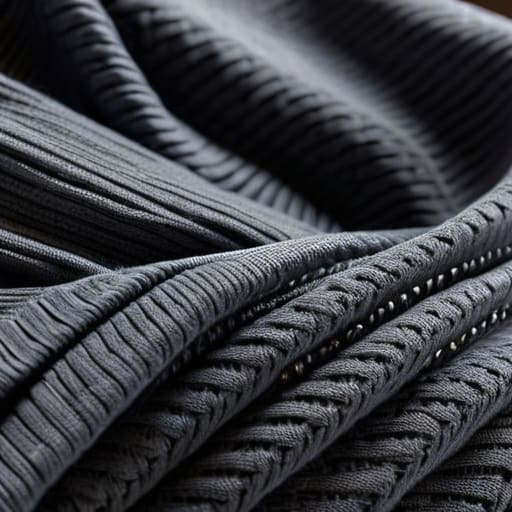
When you’re looking at secondary market valuation strategies for those heavy, high-GSM blanks, stop looking at the brand name for a second and start feeling the structure. A 400gsm loopback cotton hoodie holds its shape in a way a thin, fast-fashion “heavyweight” simply can’t. In the secondhand world, structural integrity is your biggest asset. If the ribbing on the cuffs is still tight and the shoulder seams haven’t migrated toward the neck, you can command a premium regardless of what the current hype cycle says.
I’ve seen people lose money because they tried to follow generic pricing models for used goods without checking the actual condition of the fabric. If you’re trying to flip vintage streetwear, you have to account for how the wash affects the drape. A garment that has been laundered into a shapeless blob might have a high “brand” value, but its actual longevity is shot. To keep your margins healthy, you need to prioritize pieces where the fabric density remains consistent even after years of wear. That’s where the real value sits.
How to Not Get Played by the Resale Hype
- Stop looking at the “sold” listings for a second and actually feel the fabric; if a piece is trending but the cotton is paper-thin, the resale value is going to crater the moment the first wash happens.
- Check the construction before you commit your cash; a high price tag on a vintage piece doesn’t mean anything if the side seams are twisting or the stitching is single-needle garbage that won’t hold up.
- Prioritize “structural” brands over “logo” brands; a heavy, well-cut blank from a niche maker will hold its value way longer than a flimsy shirt that only has a hype-beast print on the chest.
- Learn to spot the difference between a “distressed” look and actual fabric fatigue; if the garment is losing its shape because the knit is too loose, you aren’t buying a vintage treasure, you’re buying a liability.
- Don’t let the hype-cycle dictate your budget; if the market is screaming about a specific drop, look at the GSM and the seam allowance first—if the specs are mid, the price is a scam.
The Bottom Line on Resale Value
Stop chasing the hype-driven price spikes; if the garment is made from thin, low-GSM fabric that loses its shape after three washes, its resale value will crater regardless of the brand name.
Invest your money in heavyweights and tight seam allowances, because the secondary market rewards durability and “built-to-last” construction over temporary aesthetic trends.
When evaluating a piece for resale, flip it inside out—if the internal finishing is sloppy, the garment won’t hold its premium status for long.
Frequently Asked Questions
If I’m looking at a vintage piece, how do I tell if the high price is actually because of the construction or just because someone’s marketing it as "archival"?
Turn it inside out. Seriously. If someone is slapping “archival” on a tag, check the interior construction. Are we talking double-needle stitching and reinforced necklines, or is it just a thin, single-stitch piece of junk with a fancy logo? Real archival pieces have substance—heavy GSM, tight weaves, and seams that haven’t surrendered to the first wash. If the construction feels flimsy but the price is astronomical, you’re paying for a marketing department, not a masterpiece.
Is it even worth investing in high-GSM blanks for resale if the current trend is shifting toward lighter, more "distressed" fits?
Look, I get the temptation to chase that flimsy, distressed aesthetic, but don’t mistake a trend for a standard. Lighter, “distressed” fits are a mood, sure, but they have a shelf life. High-GSM blanks are an investment in longevity. When the cycle swings back—and it always does—the person holding the heavy, structured pieces is the one with the actual value. Don’t trade substance for a fleeting silhouette; build a rotation that lasts.
How much does the actual durability of the seam allowance affect the long-term resale floor compared to just the brand name on the neck tag?
Look, the neck tag might get you a quick flip on Depop, but it won’t save you when the garment falls apart. A brand name is just hype, but a proper seam allowance is structural integrity. If the stitching is sloppy or the allowance is too narrow, that piece is headed straight for the landfill after three washes. I’d rather bet on a well-constructed, unbranded heavyweight than a hype-beast piece that loses its shape instantly.