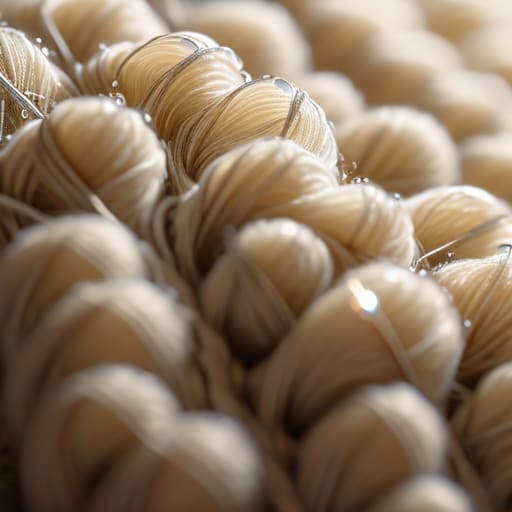
I was hunched over my sewing machine last Tuesday, trying to fix a botched batch of base layers, when I realized just how much the industry lies to you about technical fabrics. Every high-end outdoor brand is currently slapping “smart fiber” labels on everything, charging a massive premium for what is essentially just glorified wool. They want you to believe their proprietary weave is some kind of magic solution, but the actual science of merino and temperature regulation isn’t about a brand name; it’s about the micron count and the way the fiber structure manages moisture. I’m tired of seeing people pay for marketing fluff when they should be looking at the actual textile specs.
I’m not here to sell you on a lifestyle or a specific “performance” brand that’s just a glorified logo. Instead, I want to pull back the curtain on the actual mechanics of how these fibers work so you can stop wasting your money. We’re going to skip the buzzwords and talk about why fiber density and crimp actually matter for your comfort. My goal is to give you the unfiltered truth about what makes a garment actually breathable, so you can build a wardrobe that works as hard as you do.
Why the Hygroscopic Nature of Merino Beats Synthetic Hype
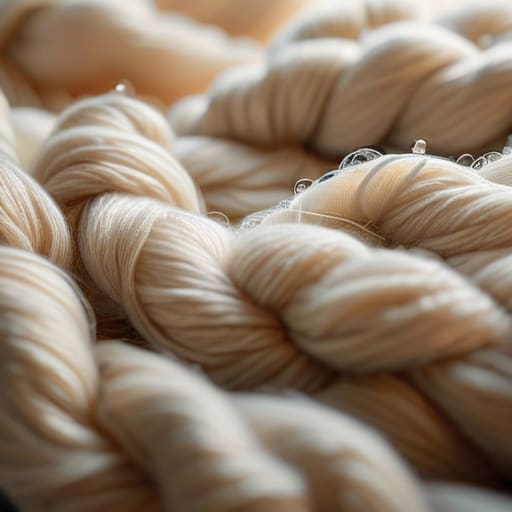
I’ve spent way too many hours in a humid studio watching synthetic blends turn into a literal swamp against the skin. Brands love to slap the word “performance” on a polyester shirt and call it a day, but there is a massive difference between moving sweat around and actually managing it. Most synthetics just work by capillary action—pushing liquid across the surface to evaporate—which feels great until you stop moving and suddenly you’re wearing a cold, damp plastic bag.
That’s where the hygroscopic nature of merino actually changes the game. Unlike plastic fibers, merino doesn’t just sit on top of the moisture; it absorbs the vapor directly into the core of the fiber before it even turns into liquid sweat. It’s a subtle, structural difference, but it’s why you can hike uphill in a merino base layer and not feel that immediate, clammy chill when you hit a shaded patch of trail. You aren’t just fighting heat; you’re utilizing natural thermoregulation properties that synthetics simply cannot replicate through engineering alone.
Mastering Thermal Comfort in Outdoor Apparel Through Fiber Density
Look, everyone talks about “breathability” like it’s this magical, invisible force, but in the production world, it really comes down to the math of fiber density. When I’m looking at a technical spec sheet, I’m not just looking at the brand name; I’m looking at how tightly those fibers are packed. If a brand uses a super low GSM (grams per square meter) just to save on material costs, they’re handing you a garment that has zero structural integrity. You might feel a breeze, but you’re losing all your body heat because the fabric lacks the density to trap air.
To actually achieve thermal comfort in outdoor apparel, you need that sweet spot where the knit is dense enough to insulate but loose enough to allow for merino wool moisture wicking. If the weave is too tight, you’re basically wearing a plastic bag; if it’s too thin, it’s just a glorified undershirt. I’ve seen way too many “performance” layers that fall apart after three washes because they prioritized a lightweight feel over actual fiber density. You want a fabric that actually holds its shape and manages your microclimate, not just something that looks good on a hanger.
Stop chasing labels and start checking the specs
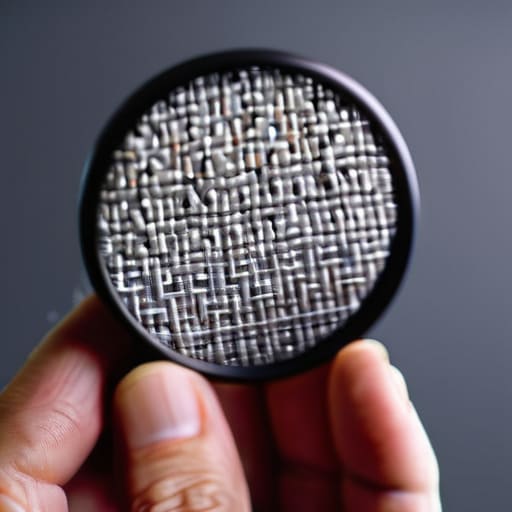
- Don’t get blinded by the “Merino” tag alone; check the micron count. If the fiber is too thick, you’re going to feel itchy and prickly instead of cozy, which completely kills the thermal regulation benefit.
- Look at the weight, not just the brand. A heavy-duty 250 GSM merino is great for a mountain trek, but if you’re wearing that same weight in a stuffy cafe, you’re going to overheat because the fabric density is too high for the environment.
- Beware of the “Merino Blend” trap. I’ve seen way too many brands mix 70% polyester with 30% merino to save a few bucks. You lose that moisture-wicking magic the second those synthetic fibers start trapping sweat against your skin.
- Layering is a science, not a fashion statement. Use a fine-gauge merino base layer to manage your microclimate, and don’t try to substitute a thick, poorly constructed fleece for a proper high-quality wool foundation.
- Pay attention to the seam construction. Even the best merino can feel like a nightmare if the manufacturer used cheap, bulky seams that chafe; look for flatlock stitching so the garment moves with your body heat rather than fighting it.
The real way to spot quality (and avoid the sweat)
Stop looking at the “performance” label and start looking at the fiber; if it’s a synthetic blend masquerading as wool, you’re just going to end up trapped in a non-breathable plastic bag the moment you start moving.
Don’t get blinded by a low price tag on a “merino” layer—if the GSM is too low, the fabric lacks the structural integrity to manage moisture, leaving you damp, cold, and honestly, just annoyed.
True thermal regulation isn’t about magic technology, it’s about how the fiber actually reacts to your biology; you want a material that works with your sweat, not one that just sits there soaking it up like a heavy sponge.
Frequently Asked Questions
If merino is so good at regulating heat, why do some cheap blends feel like I'm wearing a plastic bag the second I start sweating?
Because those “budget-friendly” blends are usually just a massive dose of polyester masquerading as performance gear. When you mix a little merino with a lot of cheap synthetic, you kill the fiber’s ability to breathe. The plastic fibers act like a sealant, trapping your sweat against your skin instead of letting it evaporate. It’s basically a greenhouse effect for your torso. If the ratio is off, you aren’t wearing wool; you’re wearing a glorified trash bag.
Does a higher GSM actually mean better temperature control, or am I just paying more for a heavier, bulkier garment?
It’s not a simple “more is better” situation, and honestly, that’s where brands get you. A high GSM just means more weight and density; if you’re hiking in a heatwave, a heavy 300 GSM merino will feel like wearing a literal rug. You aren’t paying for “better” regulation, you’re paying for insulation. For true temperature control, you want to match the GSM to the environment. Don’t let a heavy label trick you into overpaying for bulk.
How do I tell if a brand is actually using high-quality merino fibers or just using the name to justify a massive markup on a mediocre knit?
Look, if the price tag looks like a typo, they’re probably selling you a lie. First, check the micron count. If they don’t list it, they’re hiding something. High-end merino should feel silky, not scratchy—if it feels like a cheap wool sweater from a fast-fashion bin, the fibers are too coarse. Also, look at the knit density. If the garment feels flimsy or goes see-through when you stretch it, it’s a low-density knit masquerading as “premium.”