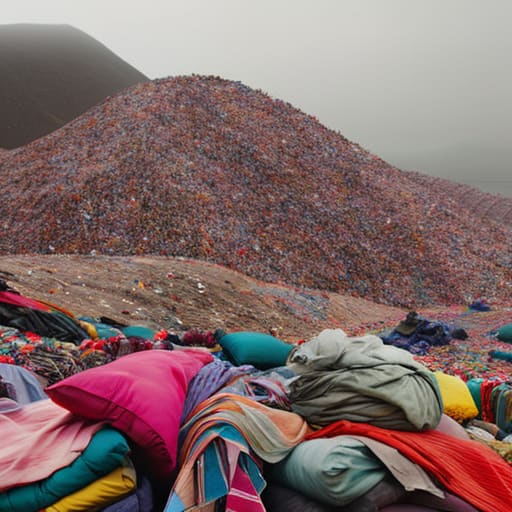
I was hunched over my cutting table last Tuesday, surrounded by a mountain of rejected scraps from a recent production run, when it hit me: we talk about the environment like it’s this abstract, looming shadow, but it’s actually just piles of bad decisions. I’ve spent years watching people obsess over the “shocking” clothing waste statistics they see in viral infographics, but those numbers don’t tell you the real story. They don’t tell you about the sheer volume of polyester blends that are literally designed to fall apart after three washes, or how much energy is wasted on garments that were never meant to survive a single season.
I’m not here to lecture you with more doom-scrolling data or tell you to just “buy less” without explaining why. Instead, I want to pull back the curtain on the actual mechanics of this mess. I’m going to break down what those numbers actually mean for your wardrobe and, more importantly, how we can shift the focus from mindless consumption to recognizing proper construction and textile integrity. We’re going to look past the marketing fluff and figure out how to stop being part of the problem, one decent GSM at a time.
Why Garment Production Waste Data Matters to Your Bottom Line
If you’re running a small label or even just trying to scale a side project, you might think these massive numbers about annual clothing landfill volume are just “sad news” for activists. But I see it differently. When we look at garment production waste data, we aren’t just looking at a tragedy; we’re looking at a massive leak in your profit margins. Every time a batch of shirts comes back because the seam allowance was too tight or the fabric shrunk two sizes after the first wash, that’s money literally turning into trash.
The industry loves to hide behind glossy lookbooks, but the reality of fast fashion environmental impact is often just a byproduct of terrible efficiency. If you’re over-ordering blanks that aren’t up to spec or ignoring how much scrap fabric you’re losing to bad pattern cutting, you’re paying for waste twice: once at the supplier and once when your customer returns a product that fell apart in a week. Understanding these numbers helps you realize that quality isn’t a luxury; it’s a hedge against loss.
The Brutal Reality of Annual Clothing Landfill Volume
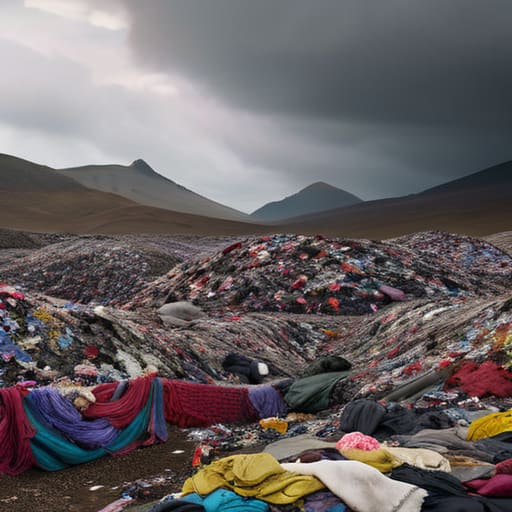
When I look at the sheer scale of the annual clothing landfill volume, it’s not just a number on a spreadsheet; it’s a physical weight that feels impossible to carry. We aren’t just talking about a few discarded items; we are talking about truckloads of garments being dumped every single minute. Most of what I see piling up isn’t even “wearable” in the traditional sense. It’s a mountain of synthetic blends that were never meant to last more than three washes.
The problem is that we’ve been conditioned to treat clothes like disposable paper towels. Because of the fast fashion environmental impact, we’ve created a cycle where volume is prioritized over anything resembling craft. I’ve spent enough time in shared studios to see the aftermath of “ultra-fast” production runs—it’s a graveyard of cheap polyester and wonky seams. When these pieces hit the landfill, they don’t just sit there; they break down into microplastic pollution from textiles, leaching into the soil and water. It’s a messy, systemic failure that a simple “recycle your clothes” campaign just isn’t fixing.
How to Stop Being a Statistic: My Rules for Building a Wardrobe That Actually Lasts
- Stop chasing the “micro-trend” high. I see it every week in the studio—brands dropping 50 new designs that are basically glorified napkins. If a piece doesn’t have a decent GSM or a silhouette that makes sense outside of a 15-second clip, it’s just future landfill fodder.
- Learn to read a spec sheet, not just a brand name. Before you buy, look for mentions of construction details like reinforced seams or heavy-weight cotton. If the description is all “vibes” and zero technical specs, they’re hiding a low-quality blank.
- Treat your clothes like the investment they are. I turn every garment inside out before I even look at the print because that’s where the truth is. If the internal stitching is messy or the overlock is loose, that shirt isn’t going to survive ten washes, no matter how cool the graphic is.
- Demand transparency over “green” marketing. Most of these “sustainable” collections are just clever PR to distract from the fact that their core business model is still based on massive overproduction. Look for brands that talk about their supply chain and fabric weight, not just a green leaf icon on their homepage.
- Prioritize repairability over disposability. A garment is only “waste” if it can’t be fixed. I’d much rather spend my time learning how to patch a vintage band tee than spending money on a cheap polyester blend that’s going to pill and fall apart by next season.
The Stuff You Actually Need to Remember
Stop chasing every micro-trend; investing in higher GSM fabrics and better construction means fewer garments end up in a landfill after three washes.
Waste isn’t just an environmental problem—it’s a massive inefficiency in how we use resources, and realizing that helps you spot which brands are actually cutting corners.
True sustainability starts with the technical specs, like seam allowance and fiber quality, rather than just a “green” marketing label on a cheap blank.
Frequently Asked Questions
If the landfill numbers are this massive, why does it feel like every brand is suddenly claiming they're "sustainable" in their marketing?
Because “sustainable” has become a marketing buzzword rather than a manufacturing standard. It’s easier to slap a green leaf on a hangtag than it is to actually overhaul a supply chain or invest in higher GSM fabrics that don’t fall apart after three washes. Most brands are just playing a shell game—using a tiny percentage of recycled polyester to distract you from the fact that their entire production model is still built on overstock and planned obsolescence.
How much of this waste is actually coming from the clothes we buy, versus the scraps and offcuts left over on the factory floor during production?
It’s a bit of both, but let’s be real: the consumer side is a massive, runaway train. While I see way too much fabric scrap wasted on cutting tables because of poor pattern nesting, that’s just the tip of the iceberg. The real monster is the sheer volume of finished garments we buy and toss. We’re talking about mountains of “deadstock” and discarded consumer clothes that never even made it to a wardrobe.
Is it actually possible to find high-quality, durable blanks that don't contribute to this cycle, or is the whole supply chain rigged for fast turnover?
Look, I’ll be real: the system is definitely rigged for turnover, but it’s not a lost cause. You can find high-quality blanks, but you have to stop looking at the “trending” catalogs and start looking at the technical specs. I’m talking heavy GSM, side-seamed construction, and pre-shrunk cotton. It’s harder work to source because it requires ignoring the cheap, easy wins, but those pieces actually survive a wash cycle instead of becoming landfill fodder.