I was hunched over a heat press in a cramped, humid studio three years ago, staring at a “premium” shipment of six-panel hats that looked great in the catalog but felt like cardboard the second they hit my hands. I’d spent weeks saving up for a decent run of merch, only to realize that most brands are just slapping a logo on some bottom-tier, flimsy construction and calling it “streetwear.” It’s infuriating how much people pay for the hype when they haven’t even checked if the crown is reinforced or if the brim is actually going to hold its shape after a week of wear. Most people browsing caps and headwear styles are being sold a dream of aesthetic, but they’re actually just buying expensive trash that’s destined for a landfill.
I’m not here to tell you which colors are trending on TikTok or which celebrity is wearing what. Instead, I want to pull back the curtain on the actual construction. I’m going to break down the difference between a structured snapback and a relaxed dad hat, the importance of stitch density, and why the fabric weight actually matters for your long-term wardrobe. Consider this your no-nonsense guide to understanding what you’re actually paying for.
Classic Cap Silhouettes and the Integrity of Crown Structure
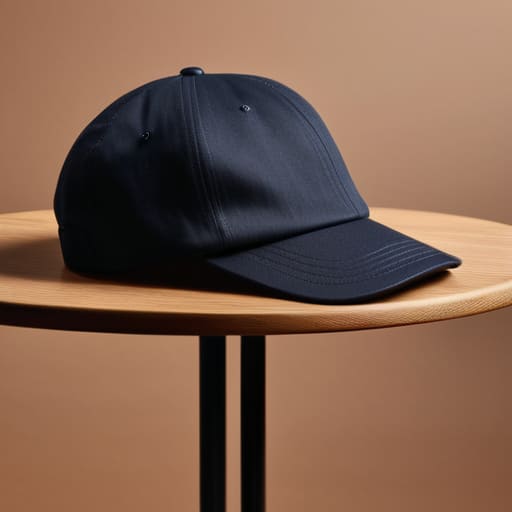
When people talk about classic cap silhouettes, they usually focus on the logo, but if you’re looking at the build, the crown is where the real story is told. You’ve got your unstructured dad hats—those soft, floppy ones that rely on a lightweight cotton twill—and then you have the high-profile, structured crowns that use buckram to keep that rigid, upright shape. If you’re trying to figure out the difference between snapback and fitted caps, don’t just look at the closure; look at how the crown maintains its silhouette. A cheap, unstructured cap will lose its shape after three wears, while a well-built structured one stays consistent.
It’s easy to get caught up in streetwear headwear trends, but the integrity of the build matters more for longevity. Whether you’re dealing with different brim styles for hats or varying depths, a cap that lacks a reinforced seam or a proper internal lining is just going to collapse on your head. I’ve seen too many brands slap a cool graphic on a flimsy, low-profile base and call it “premium.” If the crown doesn’t hold its tension, the design is dead on arrival.
The Real Cost of Ignoring Brim Styles for Hats
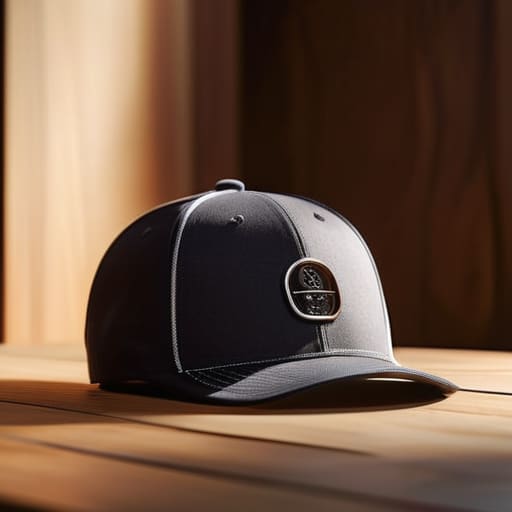
Look, everyone gets caught up in the graphic on the front, but if you ignore the brim, you’re basically setting yourself up for a wardrobe fail. The curve of the visor isn’t just an aesthetic choice; it dictates how the entire hat sits on your head and how much it’s going to distort your face shape. I’ve seen so many people jump on streetwear headwear trends only to realize three wears in that a flat brim feels like a piece of cardboard slicing into their forehead, or a pre-curved one looks like a wilted leaf.
It’s also about the structural integrity. A cheap, flimsy brim will lose its shape after two weeks of being tossed in a bag, making the whole piece look like trash. When you’re looking at different brim styles for hats, you need to check the stiffness and the stitching density. If the brim feels like it’s going to flop the second you touch it, it doesn’t matter how cool the embroidery is—you’re just buying something that won’t survive a single season.
Stop Buying Trash: 5 Things to Check Before You Drop Cash on Headwear
- Check the buckram first. If you’re buying a structured snapback, feel inside the front panels; if that reinforcement layer feels like thin, flimsy paper, the hat is going to collapse and look like a sad pancake after three wears.
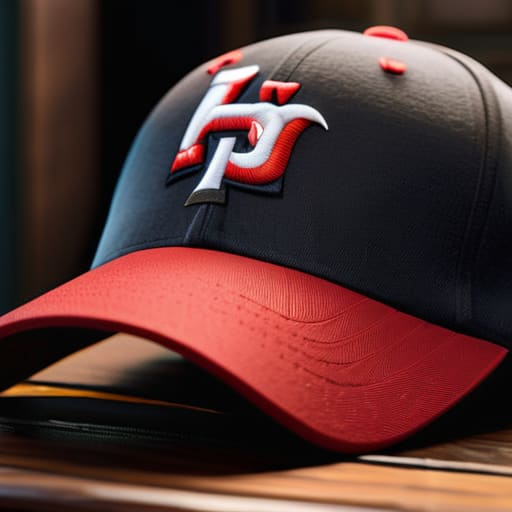
- Don’t get blinded by the embroidery. A heavy, high-quality thread count looks great, but if they’ve slapped a massive 3D logo onto a low-GSM fabric, the weight of the design is literally going to warp the shape of the hat.
- Inspect the seam allowance on the brim. Flip the hat over and look at the underside of the stitching; if the threads are loose or the edges are fraying, that brim is going to lose its curve and start drooping within a month.
- Get obsessed with the closure. Metal sliders and heavy-duty snaps are worth the extra few bucks because plastic adjustable tabs are the first thing to snap when you’re actually trying to live your life.
- Look at the eyelet density. If there aren’t enough reinforced ventilation holes, you aren’t just buying a hat, you’re buying a portable sauna for your scalp, and trust me, nobody wants that.
The Bottom Line on Not Wasting Your Money
Stop obsessing over the graphic on the front for a second; if the crown structure is flimsy or collapses the moment you put it on, no amount of cool branding will save it from looking like cheap trash.
Pay attention to the brim—a poorly constructed or overly flimsy brim doesn’t just look off, it ruins the entire silhouette of the hat and makes it impossible to style properly.
Quality is in the details you can’t see at first glance, so always prioritize stitch density and fabric weight over whatever “viral” aesthetic is currently flooding your feed.
Frequently Asked Questions
How can I tell if a cap is using a cheap, flimsy buckram in the crown versus something that actually holds its shape?
Here’s the trick: don’t just look at it, feel it. Grab the front panels and give them a little squeeze. If it feels like you’re crushing a paper cup or if the fabric collapses instantly, that’s cheap, thin buckram. High-quality reinforcement should feel substantial and springy—it should resist your grip and snap back into place. If the crown feels limp or “mushy” right out of the box, you’re looking at a hat that’ll lose its shape after two wears.
Does a higher GSM actually matter for a baseball cap, or am I just paying more for heavier cotton?
Look, I get why you’re skeptical. In the t-shirt world, high GSM is everything, but with caps, it’s a bit more nuanced. You aren’t just paying for “heavier” cotton; you’re paying for structural integrity. A low GSM twill is going to go limp and lose its shape after three wears. You want enough weight so the crown actually holds its silhouette without looking like a crushed soda can. It’s about stability, not just heft.
If I'm looking for something that lasts, should I be prioritizing heavy twill or is a polyester blend actually better for durability?
Look, if you want something that actually survives a year of real wear, go with the heavy cotton twill. It’s got that structural integrity that holds its shape even after you’ve crushed it in your bag. Polyester blends might resist wrinkles or color fading a bit better, but they tend to feel “plasticky” and lose their soul quickly. I’d rather deal with a bit of natural character than a cap that feels like cheap synthetic trash.