
I still remember the first time I tried to flip a “curated” haul from a local estate sale. I was so caught up in the aesthetic of it all—the faded colors and the oversized silhouettes—that I completely ignored the fact that the shoulder seams were puckering and the cotton was basically paper-thin. I thought I was building a brand, but I was actually just building a pile of future landfill. Everyone online makes vintage dealing as a business look like a dream of aesthetic mood boards and easy profit, but if you can’t tell the difference between a well-constructed 90s single-stitch tee and a cheap reproduction, you aren’t a dealer; you’re just a gambler.
I’m not here to teach you how to hack the Instagram algorithm or which hashtags will get you more likes. Instead, I want to talk about the actual mechanics of the trade. I’m going to show you how to look past the hype and evaluate a piece based on its construction, its weight, and its longevity. We’re going to dive into the technical stuff—the stuff that actually matters—so you can build a business that relies on genuine craft rather than just catching a fleeting trend.
Why Thrifting for Resale Business Requires Technical Literacy
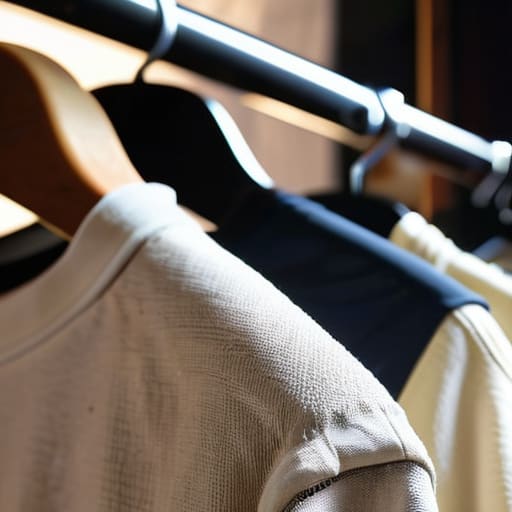
If you’re just looking for logos, you’re not really building a business; you’re just playing a high-stakes game of scavenger hunt. To actually succeed at reselling vintage clothing for profit, you have to stop looking at the graphic and start looking at the guts of the garment. I’m talking about the tension in the overlock stitch, the way a heavy cotton jersey drapes compared to a cheap poly-blend, and whether that “distressed” look is actual age or just a shitty factory wash. If you can’t tell the difference between a well-constructed 90s single-stitch tee and a modern fast-fashion knockoff, you’re going to end up with a rack full of junk that looks good in a thumbnail but falls apart after one wash.
Technical literacy is what separates the professional curators from the people just flipping whatever they find at the local Goodwill. When you understand fabric composition and construction integrity, you aren’t just guessing what will sell; you’re making calculated investments. This is the foundation of real vintage inventory management. You need to know if a garment’s weight—its actual GSM—is going to hold up or if that tiny hole in the armpit is a structural death sentence. Knowing the “why” behind the quality is how you build a brand that people actually trust.
Forget Trends the Real Cost of Poor Inventory Management
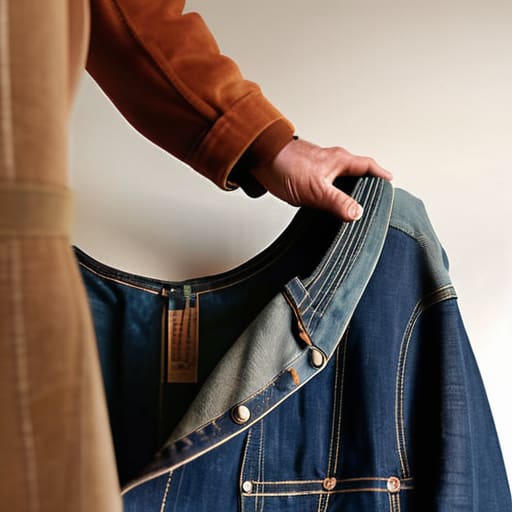
Look, I see it all the time on my feed: someone finds a “viral” silhouette, dumps their entire savings into a bulk haul of it, and then wonders why their shop is sitting on deadstock three months later. If you’re just chasing vintage market trends 2024 without looking at the actual build of the garment, you aren’t building a brand; you’re playing roulette with your rent money. When you buy into a hype cycle, you’re usually buying pieces with cheap hardware, rushed construction, or fabrics that have lost their structural integrity.
Effective vintage inventory management isn’t about having the most “aesthetic” rack; it’s about understanding the lifecycle of what you’re holding. If you stock up on thin, single-stitch tees just because they’re “in,” you’re going to deal with high return rates and customers who realize the quality isn’t there the second they wash it. I’d rather have ten pieces with solid seam allowances and heavy-duty construction that hold their value, than a hundred pieces of fast-fashion “vintage” that will be in a landfill by next season.
The Non-Negotiable Checklist for Building a Real Inventory

- Stop chasing the “aesthetic” and start feeling the weight; if a piece looks like a 90s grail but feels like tissue paper, it’s not worth the shelf space.
- Learn to read a care tag like it’s a holy text, because knowing the difference between a 100% cotton heavyweight tee and a cheap poly-blend is what keeps your customers coming back.
- Inspect every single seam before you even think about pricing it, because a tiny hole in a high-value vintage piece is a massive drain on your profit margins once you factor in repairs.
- Build a relationship with your suppliers or specific thrift routes instead of just scrolling through Depop competitors, because the real gems are found in the grit, not in someone else’s curated feed.
- Invest in a high-quality digital scale and a good measuring tape, because “vintage sizing” is a complete lie and your customers will only trust you if your measurements are dead-on.
The Bottom Line: What Actually Matters
Stop chasing the “aesthetic” and start feeling the fabric; if you can’t tell the difference between a high-quality vintage heavy cotton and a flimsy fast-fashion imitation, you’re going to lose money on returns and bad reviews.
Build your business on construction, not hype—learning to spot a double-needle stitch or a decent seam allowance is what separates a real vintage dealer from someone just flipping landfill.
Prioritize technical knowledge over TikTok trends because a trend dies in a month, but a well-made garment with actual character will always find a buyer.
Frequently Asked Questions
How do I actually tell the difference between a high-quality vintage heavyweight tee and a modern "reproduction" that just looks old?
Look, don’t let a “distressed” wash fool you; that’s just chemistry. Grab the shirt and check the neck. A true vintage heavyweight usually has a thicker, tighter ribbing that feels substantial, not flimsy. Then, turn it inside out—always. Look at the seams. If you see single-needle stitching or a slightly irregular, rugged construction, you’re likely looking at the real deal. Modern repros often use perfect, overlocked machine seams that scream “mass-produced.”
Is it even possible to scale a business like this without getting caught up in the madness of hype-driven drops and resellers?
It’s possible, but you have to stop playing their game. Scaling doesn’t have to mean chasing every hype-beast drop or fighting resellers for a single grail. For me, scaling means building a reputation for curation and technical consistency. If you focus on sourcing pieces with actual longevity—think heavy-duty construction and timeless silhouettes—you build a loyal customer base that trusts your eye, rather than a following that just wants whatever is trending on TikTok today.
What are the specific red flags in garment construction that tell me a piece is going to fall apart after two washes, regardless of the brand name?
Look, brands will slap a “premium” tag on anything, but the truth is in the guts of the garment. Flip it inside out—seriously, do it—and look for puckered, uneven seams or loose, single-thread overlocking. If the tension is off, it’s going to unravel. Also, check the necklines; if there’s no reinforced ribbing or if the stitching looks like it was done by someone in a rush, that collar is hitting the floor after one wash.