
I remember sitting on a milk crate in my first shared studio, surrounded by the smell of plastisol ink and the hum of a heat press, staring at a batch of “oversized” hoodies that looked absolutely ridiculous. I had spent weeks obsessing over the print, only to realize the garment itself was a disaster; the shoulders dropped so low they made the wearer look like they were drowning in fabric rather than wearing a deliberate shape. People love to throw around terms like proportion and silhouette to make a collection sound high-concept and expensive, but most of the time, they’re just using fancy words to mask terrible pattern cutting.
I’m not here to lecture you on runway trends or tell you what’s “in” this season. Instead, I want to pull back the curtain on how these shapes actually function when you move in them. I’m going to break down how a slight shift in a hemline or a specific shoulder construction can change your entire vibe, without the marketing fluff. We’re going to talk about the actual mechanics of how clothes hang on a human body, so you can stop buying into the hype and start understanding the craft.
Mastering Visual Balance in Fashion Through Structural Integrity
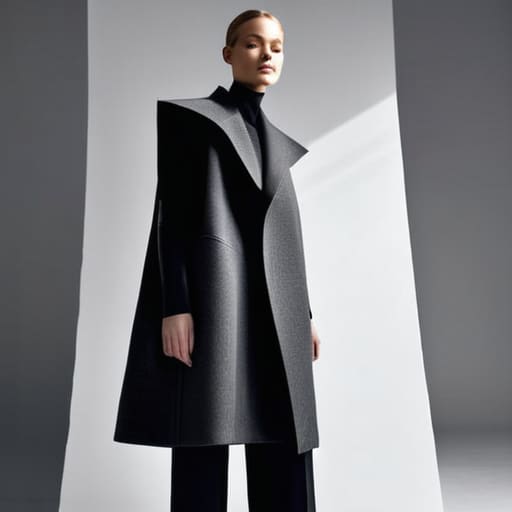
When people talk about visual balance in fashion, they usually focus on matching colors or accessorizing, but they’re missing the point. Real balance comes from how the garment actually holds its shape against your frame. If you’re working with a heavy, oversized heavyweight fleece, you can’t just pair it with flimsy, thin jersey leggings and expect it to look intentional. You’ll just look like you’re drowning in fabric. To achieve true visual harmony in dressing, you have to respect the weight and the structural integrity of the pieces. It’s about how the tension in a seam or the stiffness of a canvas prevents the garment from collapsing into a shapeless mess.
I always say that if the construction is lazy, the silhouette is a lie. You might think you’re pulling off a specific look, but if the shoulder seams are dropping in a way that looks accidental rather than designed, the whole vibe falls apart. It isn’t about following a strict rulebook for outfit proportions for different heights; it’s about understanding where the garment should end and where your body begins. If the structural lines are solid, the balance follows naturally.
Why Clothing Silhouette Types Matter More Than Seasonal Aesthetics
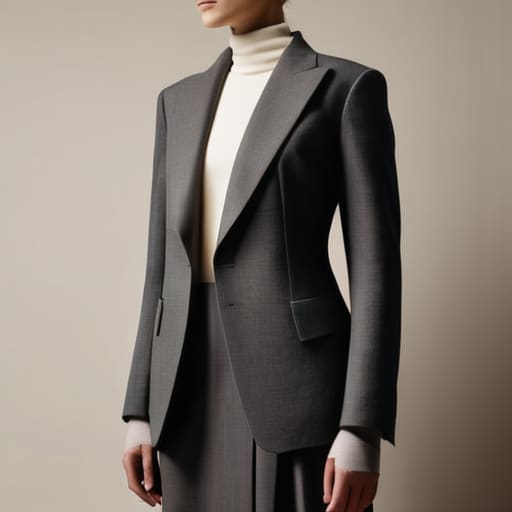
Look, I see it every single week on my feed: some brand drops a “must-have” oversized hoodie that looks like a literal tent, and everyone loses their minds because it’s “on trend.” But here’s the thing—trends are fickle, whereas clothing silhouette types are basically the physics of how you occupy space. If you buy into a seasonal aesthetic without understanding how a garment actually sits on your frame, you’re just buying expensive fabric that’s going to sit in your closet because it makes you feel awkward.
When I’m pattern cutting, I’m not thinking about what’s going to be cool on TikTok in three months; I’m thinking about how the weight of the drape interacts with the wearer’s structure. Whether you’re aiming for an A-line shape or a structured boxy fit, you’re essentially trying to achieve visual balance in fashion by managing where the eye stops. Once you stop chasing the “vibe” and start looking at how lines and volumes actually interact, you can build a wardrobe that actually works, regardless of what the big houses are pushing this season.
Stop chasing the look and start looking at the build
- Check your shoulder seams before you even look at the drape. If the seam is dropping two inches too low because they wanted a “relaxed” fit, it’s not a silhouette choice—it’s just a poorly cut shoulder that’s going to make the whole garment look like it’s sliding off you.
- Learn to respect the weight of the fabric. You can’t get a crisp, architectural silhouette with a flimsy 120 GSM jersey; it’s just going to cling to every weird fold and ruin the intended shape. If you want structure, you need a heavy fabric that can actually hold its own ground.
- Watch the ratio between your top and bottom halves. It’s not about following “rules,” it’s about visual weight. If you’re wearing a massive, oversized heavy-duty hoodie, pairing it with skin-tight, thin leggings can make you look like you’re drowning in fabric rather than intentional.
- Don’t ignore the importance of the rise in trousers. A silhouette is often ruined by a poorly placed crotch or waistline. If the rise is too short, the silhouette gets distorted the second you sit down, and suddenly that “clean line” you loved is a mess of tension wrinkles.
- Look at the hemline, not just the length. Where a garment ends dictates where the eye goes next. A cropped jacket that hits right at the waistline creates a totally different proportion than one that cuts you off at the widest part of your hips—it’s the difference between looking sharp and looking boxy.
The real bottom line on silhouette
Stop chasing “vibes” and start looking at the architecture; a silhouette only works if the structural integrity of the fabric and the seam placement can actually hold that shape.
Proportion isn’t about following a size chart, it’s about how the garment interacts with the body—if the balance is off, you’re just wearing a costume, not a well-constructed piece.
Investing in a good silhouette means looking past the trend cycle and prioritizing how a garment hangs, ensuring the weight and cut work together to prevent that cheap, flimsy look.
Frequently Asked Questions
If I'm trying to achieve a specific oversized silhouette, how do I stop the garment from just looking like it's three sizes too big and poorly made?
The difference between “intentional oversized” and “I borrowed my dad’s shirt” is all in the architecture. You can’t just scale up a standard pattern; you have to adjust the drop shoulder and the neck opening. If the collar is too wide or the armholes hang too low without being tapered, you lose the shape entirely. Focus on the weight of the fabric, too. A heavy GSM helps the structure hold its own shape instead of just collapsing.
How much does the actual weight of the fabric, like the GSM, affect whether a silhouette holds its shape or just collapses on the body?
It’s everything. You can have the perfect pattern, but if you use a flimsy 140 GSM jersey for a boxy streetwear tee, that silhouette is dead on arrival. It’ll just drape and cling like a wet paper towel. If you want that structured, architectural look that holds its own shape away from the body, you need weight—think 280 GSM or higher. Heavy fabric provides the structural backbone that keeps your silhouette from collapsing.
Is it actually possible to balance extreme proportions without relying on heavy, expensive structural reinforcements like interfacing?
Honestly? Absolutely. You don’t need to spend a fortune on heavy interfacing to get a shape that holds. It’s all about fabric weight and grainline. If you’re working with a high-GSM jersey or a structured canvas, the fabric is doing the heavy lifting for you. I’ve learned that if you cut your pattern pieces on the bias or play with how the seams are weighted, you can get a killer silhouette without turning the garment into a stiff, expensive board.