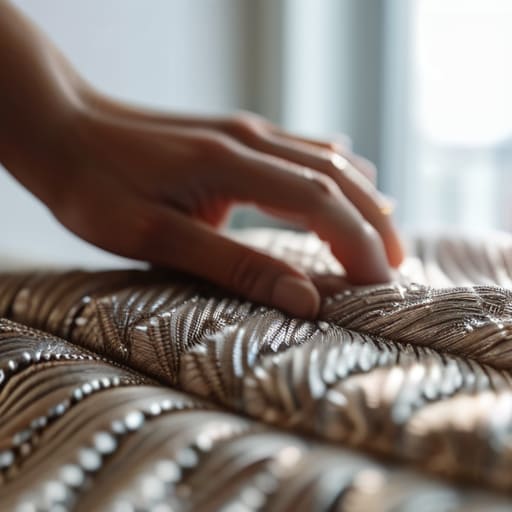
I remember standing in the middle of a high-end streetwear pop-up last year, surrounded by neon lights and a playlist that was way too loud, only to realize I was staring at a rack of $80 hoodies that felt like sandpaper. It was all aesthetic and zero substance. People were lined up for the “experience,” but the second they touched the fabric, the illusion shattered. That’s the problem with the current obsession with pop ups and physical presence; everyone is so focused on making a space look “Instagrammable” that they completely forget that a physical store is actually a tactile encounter. If your customer can’t feel the weight of your heavy-duty cotton or see the precision of your stitching, you aren’t building a brand, you’re just renting a vibe.
I’m not here to give you a checklist of trendy decor or tell you which influencers to invite to your launch. Instead, I want to talk about how to use these spaces to actually prove your quality. I’m going to break down how to curate a setup where the craft speaks louder than the marketing, focusing on the sensory details that turn a one-time browser into a lifelong collector.
Stop Guessing Customer Engagement in Person vs Digital Noise

Stop Guessing: Customer Engagement in Person vs Digital Noise
The problem with scrolling through a feed is that you can’t feel the weight of the fabric. You see a photo of a heavyweight hoodie and think, “Yeah, that looks cozy,” but you have no idea if it’s actually a high-quality 400 GSM fleece or just some thin, scratchy polyester blend masquerading as streetwear. This is where the disconnect happens. Digital marketing is great for reach, but it’s incredibly noisy. You’re competing with a million other ads just to get someone to stop scrolling, whereas customer engagement in person allows you to actually prove your worth. When someone holds your garment, they aren’t just looking at a brand; they’re feeling the tension in the seams and the texture of the print.
Relying solely on an online storefront is a gamble because you’re asking people to trust your descriptions blindly. Using temporary retail spaces removes that layer of skepticism. It’s not about just setting up a table and hoping for the best; it’s about creating a moment where the customer can actually touch the product. Once they feel that quality, they aren’t just buying a shirt—they’re investing in a piece of craft that they know isn’t going to fall apart after two washes.
The Real Cost of Ignoring Your Retail Footprint Optimization
Look, I get the math. Rent is terrifying, and shipping a box from your bedroom feels infinitely safer than signing a lease. But there’s a hidden tax you pay when you stay purely digital: the loss of tactile trust. When you skip over retail footprint optimization, you aren’t just saving on overhead; you’re losing the chance to prove your quality. You can write ten thousand words about your heavy-weight organic cotton, but it doesn’t mean a thing until someone actually feels the drape of the fabric or checks the weight of the hem.
If you’re only existing behind a screen, you’re essentially asking people to take a leap of faith every time they click ‘buy.’ By neglecting temporary retail spaces, you miss the chance to bridge that gap. A well-executed pop-up isn’t just a sales floor; it’s where you show people that your seams are actually reinforced and your prints aren’t going to crack after two washes. If you can’t let them touch the product, you’re just another faceless brand fighting for scraps in an overcrowded feed.
Don't Waste the Floor Space: 5 Ways to Actually Make a Pop-Up Work
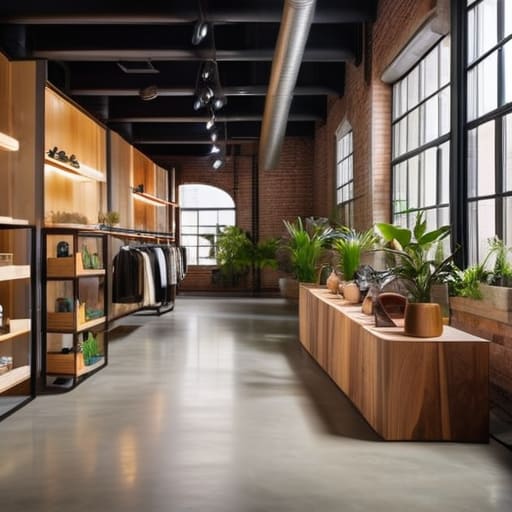
- Stop treating your pop-up like a showroom and start treating it like a workshop; if people can’t touch the weight of the fabric or see the tension in a seam, you’re just an expensive Instagram ad in real life.
- Curate your stock for tactile impact, not just aesthetics—bring the heavy GSM blanks and the pieces with interesting textures that people can’t fully appreciate through a backlit phone screen.
- Fix your lighting before you worry about your signage; if your lighting is trash, your colors will look muddy and your customers won’t be able to see the actual quality of the weave.
- Use the space to explain the “why” behind the price tag, whether that’s showing off a reinforced stitch or explaining why you chose a specific organic cotton, because if you don’t justify the cost, they’ll just compare you to fast fashion.
- Don’t just hand out stickers and call it “engagement”—actually talk to people about the construction, answer their questions about shrinkage, and build a connection based on the craft, not just the hype.
The Bottom Line: Why You Can't Just Hide Behind a Screen
Don’t let a pop-up be a vanity project; if you aren’t using the physical space to let people actually feel the weight of your fabric and inspect your seamwork, you’re just wasting rent money on a glorified photo op.
Use the tactile experience to bridge the trust gap—once a customer realizes your “heavyweight” hoodie actually has the GSM to back it up, they stop being a one-time buyer and start becoming a brand loyalist.
Stop viewing physical retail as an “extra” and start seeing it as the ultimate quality control test; if your garments can’t stand up to being touched, held, and tried on in person, no amount of clever Instagram marketing is going to save your reputation.
Frequently Asked Questions
How do I figure out if my current inventory is actually high-quality enough to justify a physical pop-up?
Honestly? Turn the garment inside out. If the overlock stitching is messy, the thread is fraying, or the seams are puckering, keep it in the studio. A pop-up is a high-stakes tactile test; if someone touches your heavy-weight fleece and feels a cheap, thin construction, they won’t just skip the purchase—they’ll remember the lack of craft. If you aren’t proud of the internal finishing, you aren’t ready for a physical stage.
Is it even worth the overhead to do a physical space if I'm mostly selling through Instagram and TikTok?
Look, I get the math. Rent is terrifying when you’re used to the low overhead of a digital storefront. But here’s the thing: you can’t feel a 300 GSM heavyweight cotton through a smartphone screen. If you’re building a brand on quality, people need to touch the seams and see how the drape actually works. A pop-up isn’t just an expense; it’s a way to prove your clothes aren’t just more disposable hype.
What are the actual logistics of setting up a space without spending my entire production budget on rent?
Look, don’t go signing a five-year commercial lease just because you saw a cool aesthetic on TikTok. That’s how you end up bankrupt before you’ve even sold a single heavyweight hoodie. Start small. Rent a corner in a local maker’s market or partner with a shop that already has the foot traffic. It keeps your overhead low and lets you test your stock without committing your entire production budget to a landlord.