
I remember sitting on a milk crate in a cramped, humid studio last summer, surrounded by half-printed blanks and the smell of plastisol ink, listening to a “brand consultant” drone on about how to manufacture community around a brand through targeted ad spends and influencer seeding. It felt incredibly hollow. They were talking about metrics and engagement rates, while I was staring at a pile of shirts with uneven side seams that no amount of digital hype could ever fix. To me, trying to buy a following is just a fast way to mask a lack of substance; you can’t automate the feeling of someone actually trusting the way you construct your garments.
I’m not here to teach you how to run a giveaway or chase a viral TikTok sound. Instead, I want to talk about the actual mechanics of building something that lasts—the kind of connection that happens when people realize you actually give a damn about the GSM of your fleece and the integrity of your stitching. I’m going to show you how to move past the marketing fluff and start building a real foundation based on craft and transparency. We’re going to focus on the unsexy, essential work of earning loyalty through quality, not just clever captions.
Beyond the Hype Real Brand Loyalty Strategies
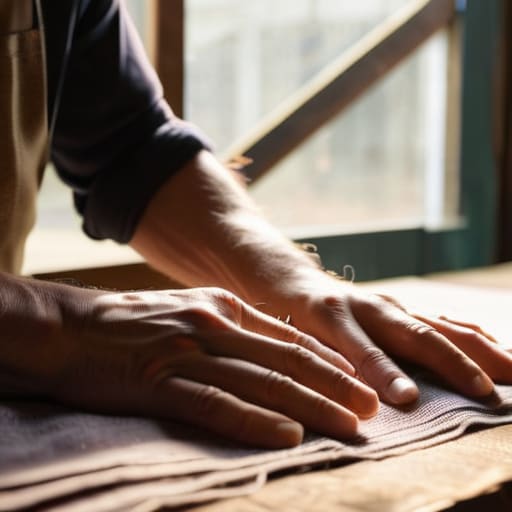
Most brands think they can buy loyalty by dropping a limited-edition colorway or running a giveaway on Instagram, but that’s just temporary dopamine. Real brand loyalty strategies aren’t about the flashy drops; they’re about the stuff that happens when the hype dies down. For me, it’s about being transparent about the messier parts of production. When I tell my customers why I switched to a heavier French Terry or why a specific dye batch took longer than expected, I’m not just giving an update—I’m fostering a brand connection based on actual respect rather than just consumerism.
If you want to move toward community-led growth, you have to stop treating your followers like a metric and start treating them like collaborators. This means moving past basic customer engagement tactics and actually listening to the feedback on a seam construction or a fit issue. When people feel like they have a say in the technical evolution of a garment, they stop being just “buyers” and start becoming advocates. It’s much harder to walk away from a brand when you feel like you helped build the foundation of what it actually is.
Fostering Brand Connection Through Quality Not Trends
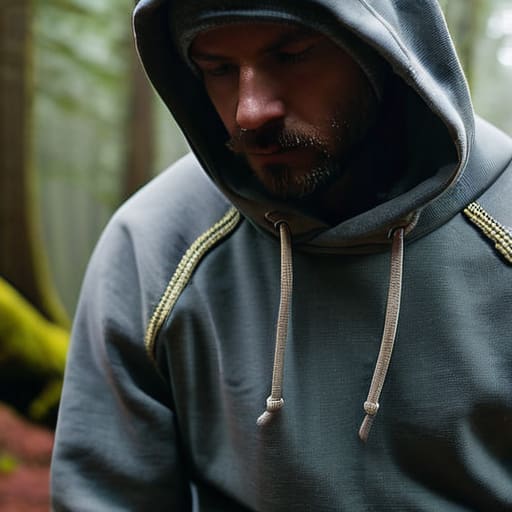
Look, I’ve seen too many “drop” culture brands burn out in six months because they focused entirely on a viral TikTok sound instead of the actual garment. If your customer buys a heavy-weight hoodie and the stitching starts unravelling after three washes, no amount of clever marketing is going to save you. Real fostering brand connection happens when that person realizes your clothes actually hold their shape after a dozen cycles in the laundry. When the quality is there, you aren’t just selling a look; you’re selling a piece of gear that survives their lifestyle.
This is where the real magic of building brand advocacy kicks in. I’m not talking about paying influencers to pose in a studio; I’m talking about the person who sends you a photo of their five-year-old tee because the collar hasn’t even sagged. That kind of organic trust is worth more than any paid ad campaign. When you prioritize the integrity of the build—the GSM, the seam allowance, the actual hand-feel—you stop chasing the next trend and start building something that actually lasts.
Stop treating your customers like data points and start treating them like people

- Show the messy bits. People don’t want a polished, airbrushed lifestyle; they want to see the ink stains on your hands and the failed sample runs that cost you way too much money. Transparency builds more trust than any high-budget ad campaign ever could.
- Talk shop, not just sales. Instead of just posting “New Drop Friday,” explain why you chose a specific 300 GSM French Terry or why you opted for a double-needle stitch. When you educate your audience on the craft, you turn casual buyers into informed advocates.
- Build a feedback loop that actually works. If you’re redesigning a silhouette, don’t just announce it—ask your regulars what they hate about the current fit. If they feel like they helped shape the garment, they’re going to be way more invested when it finally hits the shop.
- Find your niche corner of the internet. You don’t need a million followers; you need a hundred people who actually give a damn about textile integrity. Focus on the Discord servers, the small forums, or the niche subreddits where the real enthusiasts hang out.
- Reward the longevity, not just the transaction. If someone shows you a photo of a shirt they’ve been wearing and washing for two years, celebrate that. A community built on people who actually wear and care for your clothes is infinitely more stable than one built on hype-driven resellers.
The bottom line: What actually sticks
Stop chasing the algorithm and start obsessing over the specs; people might buy a trend once, but they stay for the GSM and the way a garment actually hangs on their body.
Community isn’t a Discord server or a hype-drop countdown; it’s the shared language you build with your customers when you’re honest about your construction and your mistakes.
Quality is your best retention strategy—if your seams are falling apart after three washes, no amount of clever marketing is going to save your reputation.
Frequently Asked Questions
How do I actually start talking to people about my process without it feeling like I'm just performing for a camera?
Stop treating your process like a stage play. If you’re setting up a tripod just to film yourself “working,” it’s going to feel fake because it is. Instead, just show the mess. Show the failed sample that had the wrong drape or the stack of rejected fabric swatches. People don’t want a polished performance; they want to see the actual labor. Talk about the mistakes, not just the wins. That’s where the real connection lives.
If I focus entirely on high-quality construction and technical specs, am I going to alienate the customers who just want something that looks cool right now?
Look, I get it. You’re worried about being “too nerdy” and losing the crowd. But here’s the thing: people come for the aesthetic, but they stay for the build. If you only sell the “cool” factor, you’re just a flash in the pan. You aren’t alienating them; you’re actually giving them a reason to come back when the trend dies. High specs aren’t a barrier—they’re the backbone that keeps them from feeling cheated.
How do I know if my "community" is actually a group of loyal supporters or just a bunch of people waiting for the next drop?
Look, if the only time people mention your name is when a “Drop” notification hits their phone, you don’t have a community—you have a customer list. Real loyalty shows up in the boring stuff: people tagging you in photos of a shirt they’ve washed twenty times, or asking questions about your fabric weights. If they’re only here for the dopamine hit of a new purchase, they’ll vanish the second a trendier brand arrives.