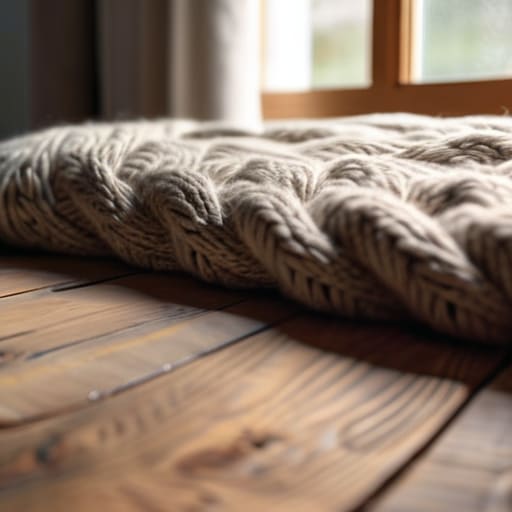
I still remember the absolute heartbreak of pulling a perfectly heavy, 300 GSM boxy tee out of a high-heat dryer, only to realize it had mutated into a weird, shrunken crop top that looked like it belonged to a toddler. It’s the same story every time someone buys a premium blank thinking they’re investing in quality, only to treat it like a gym rag. Most people think they need some fancy, expensive garment steamer or a high-tech laundry system to keep their clothes looking crisp, but the truth is much simpler and a lot more annoying: if you actually care about air drying and shape retention, you have to stop letting the machine do the heavy lifting.
I’m not here to sell you on some “laundry hack” or a subscription to a luxury detergent brand. My goal is to give you the actual, unfiltered mechanics of how heat destroys fiber integrity and how you can stop it. We’re going to talk about why certain weights need specific drying methods and how to avoid that dreaded “hanger bump” in your shoulders. I’ll show you how to protect your pieces so they actually look the same a year from now as they did the day they left the studio.
Why Blow Drying Destroys Your Natural Hair Moisture Retention Tips

Look, I spend my days obsessing over how heat affects fiber tension in heavy cotton, so I know a thing or two about how high temperatures wreck structural integrity. The same logic applies to your scalp. When you blast your hair with a blow dryer, you aren’t just “drying” it; you are essentially flash-evaporating the very hydration that keeps your strands supple. It’s like putting a high-quality vintage tee through a high-heat industrial dryer—you might get it dry fast, but you’re going to lose the soul of the texture in the process.
This constant thermal shock is the fastest way to sabotage your hair moisture retention tips. Instead of a smooth, cohesive finish, you end up with a cuticle that’s been forced wide open, leading to that dreaded, straw-like feeling. If you’re trying to focus on maintaining curl pattern, the heat from a nozzle is your worst enemy because it creates uneven tension. You end up with a chaotic mess of frizz rather than the intentional, defined shape you actually worked for with your styling products.
Air Dry vs Blow Dry Damage Protecting Your Texture
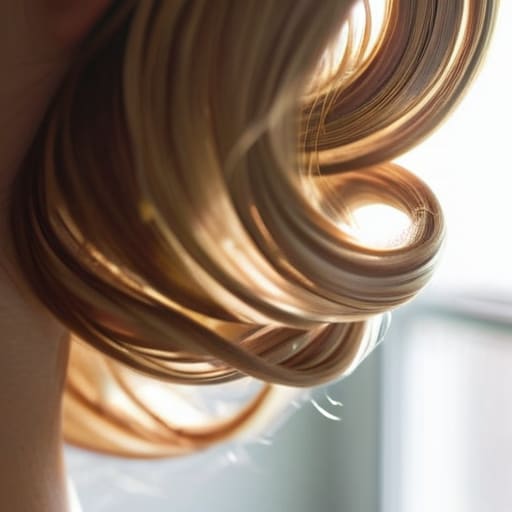
Look, I spend most of my days obsessing over how heat affects cotton fibers, but the physics of heat hitting your hair is actually pretty similar. When you’re constantly blasting your head with a high-heat dryer, you’re basically flash-drying the cuticle. It’s the same way a cheap, thin blank reacts to a heavy-handed heat press—it loses its structural integrity. If you want to actually maintain your curl pattern without it looking like a bird’s nest by noon, you have to stop treating heat like a shortcut.
The real debate of air dry vs blow dry damage comes down to how much moisture you’re actually stripping away. Blow drying often forces the hair into a shape that isn’t natural, leading to that frantic, fuzzy texture. I’ve found that leaning into natural hair drying techniques—like using a microfiber towel instead of a rough cotton tee—makes a massive difference. If you pair that with a bit of leave-in conditioner, you’re not just waiting for it to dry; you’re actually preventing hair frizz while air drying and letting the weight of the water do the heavy lifting for you.
Stop Treating Your Heavyweight Blanks Like Dish Towels: 5 Ways to Actually Air Dry
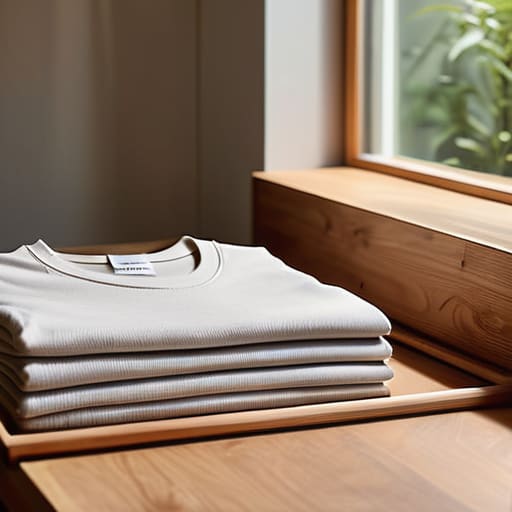
- Lay them flat on a clean surface. If you hang a heavy, wet cotton tee on a thin wire hanger, gravity is going to do its job too well, and you’ll end up with “hanger bumps” in the shoulders that no amount of steaming will ever fix.
- Avoid the “scrunch” method. I know it’s tempting to wring out a soaked garment to speed things up, but you’re literally just twisting the fibers into a knot. It ruins the structural integrity of the knit, especially if you’re working with a high GSM fabric.
- Watch out for direct sunlight. Leaving your favorite vintage-wash blanks on a sunny windowsill is a fast track to uneven fading. You want airflow, not a bleaching session that turns your black tee into a sad, mottled grey.
- Use a mesh drying rack if you can. It allows air to hit both sides of the fabric equally. If you just drape everything over a chair, the underside stays damp, stays heavy, and eventually starts to smell like a basement.
- Respect the weight. If you’re drying something heavy like a French Terry hoodie, don’t try to rush it by hanging it up while it’s still dripping. Let the excess moisture settle out on a flat surface first so the weight of the water doesn’t stretch the hem out of proportion.
The Bottom Line on Keeping Your Garments (and Hair) From Shrinking
If you’re investing in heavy-weight, high-GSM blanks, the dryer is your literal enemy; air drying is the only way to stop that structured fit from warping into something unwearable.
Heat isn’t just about drying; it’s about structural damage, whether you’re stripping the moisture out of your natural hair texture or snapping the fibers in a well-made cotton tee.
Stop chasing the convenience of a quick dry and start thinking about longevity—protecting the integrity of your materials (and your hair) requires patience, not high heat.
Frequently Asked Questions
Does air drying a heavy, high-GSM hoodie actually lead to it getting all stretched out and weirdly shaped while it's wet?
Honestly, the weight is the issue. If you hang a heavy, high-GSM hoodie on a standard wire hanger while it’s soaking wet, gravity is going to do its thing and turn your shoulder seams into weirdly elongated peaks. You’ll end up with “hanger bumps” and a hem that sits crooked. My rule? Always dry them flat on a rack. It lets the fibers settle without the weight of the water pulling the whole structure out of whack.
If I'm air drying, should I be laying things flat on a rack, or is hanging them on a hanger going to ruin the shoulder seams?
If you’re dealing with heavy-weight cotton or anything high-GSM, please, for the love of all things holy, lay them flat. If you hang a heavy, wet shirt on a standard hanger, gravity is going to do its thing and pull those shoulder seams into these weird, distorted “nipples.” You’ll end up with a garment that looks great on the rack but sits all wonky on your body. Use a drying rack and let them breathe flat.
Is there any way to speed up the air drying process without using a dryer and risking the whole garment shrinking into a crop top?
Look, I get it—waiting three days for a heavy hoodie to dry is a vibe killer. If you’re in a rush, grab a clean, dry towel and lay your garment flat on it. Roll the towel up like a burrito and give it some firm pressure to soak up that excess moisture. It’s way safer than a dryer. Just avoid hanging it while it’s soaking wet; the weight will pull the shoulders out of shape.