I still remember the first time I tried to launch a “premium” drop. I spent weeks obsessing over the graphic design, only to realize I’d spent my entire budget on mediocre blanks that felt like sandpaper after one wash. It’s the classic trap: you think you’re building a brand, but you’re actually just a glorified reseller. Most people get stuck in this loop of wondering about cut and sew versus blanks, thinking the choice is just about how much money is in their bank account. But honestly? It’s not just a math problem; it’s about whether you want to own your silhouette or just rent someone else’s.
Look, I’m not here to sell you on some “aesthetic” lifestyle or tell you which colorway is going to go viral on TikTok. I’ve spent too many late nights in a shared studio dealing with puckered seams and uneven GSM to play those games. Instead, I’m going to pull back the curtain on the actual technical reality of both paths. We’re going to talk about construction, cost-per-unit, and why your choice between these two methods will either make your brand or turn it into a very expensive hobby.
The World of Blanks
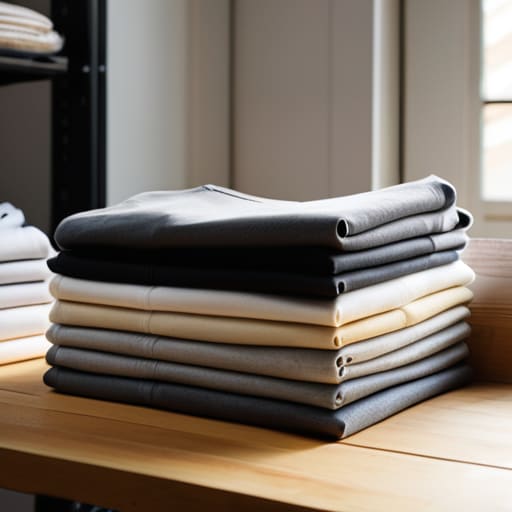
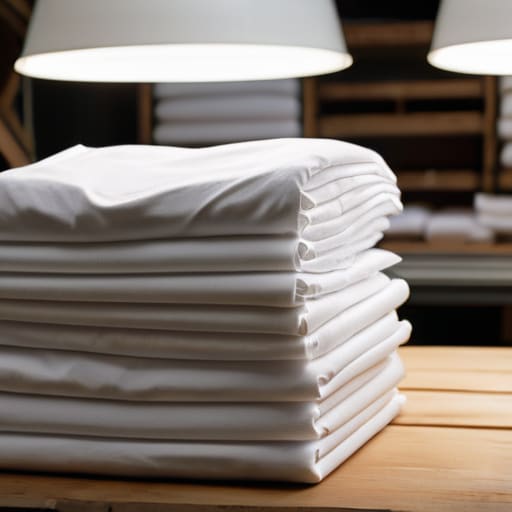
Blanks are pre-made, unbranded garments—like heavy cotton tees or hoodies—that you buy in bulk to print or embroider your own designs onto. The core mechanism here is simplicity: you are leveraging someone else’s existing supply chain to bypass the headache of sourcing fabric and pattern making. The main selling point is speed to market, allowing you to focus entirely on your graphics without needing a factory on speed dial.
But here is the thing I’ve learned from staring at way too many shipping boxes: there is a massive difference between a “blank” and a quality foundation. When you use blanks, you aren’t just buying a shirt; you are inheriting someone else’s technical decisions. If you pick a low-quality supplier to save a few cents, you’re going to end up with a garment that twists after one wash or feels like sandpaper against the skin. I’ve spent way too many nights realizing that a cheap blank can actually kill your brand’s reputation faster than a bad design ever could.
The Reality of Cut and Sew
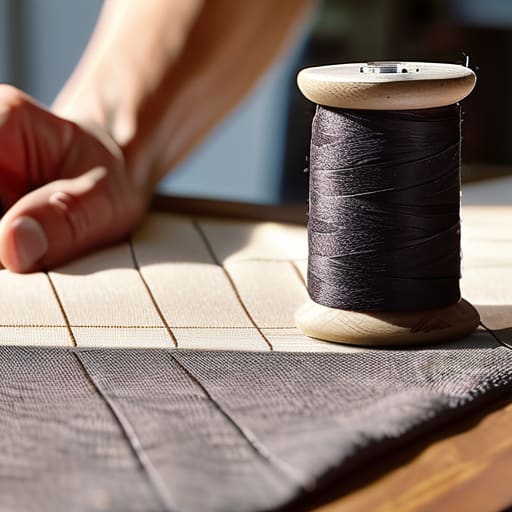
Cut and sew is the process of building a garment from scratch, starting with raw fabric rolls and moving through pattern drafting, cutting, and assembly. Unlike using blanks, this method gives you total control over every single variable, from the specific weight of the cotton to the exact silhouette of the shoulder. The objective benefit is total creative sovereignty, meaning the piece exists exactly how you envisioned it, not just as a modification of a standard template.
To me, cut and sew is where the actual soul of a brand lives, but it’s also where the most expensive mistakes happen. When you control the process, you aren’t just choosing a vibe; you are deciding on the structural integrity of the piece. I’m talking about the difference between a hem that holds its shape and one that rolls up like a cheap napkin. It’s a high-stakes game of math and textiles, but if you want to move past just being another person with a heat press, you eventually have to learn how to build something real.
Comparison of Manufacturing Methods for Apparel
| Feature | Cut and Sew | Blanks |
|---|---|---|
| Definition | Custom-made from scratch | Pre-made stock garments |
| Price per Unit | High | Low |
| Customization Level | Total (fit, fabric, details) | Limited (print/embroidery only) |
| Minimum Order Quantity | High | Low to None |
| Time to Market | Slow (development required) | Fast (ready to ship) |
| Brand Identity | Unique/Signature | Standardized |
| Best For | Premium/Luxury brands | Print-on-demand/Streetwear startups |
Why Garment Fit and Silhouette Control Define Your Brand
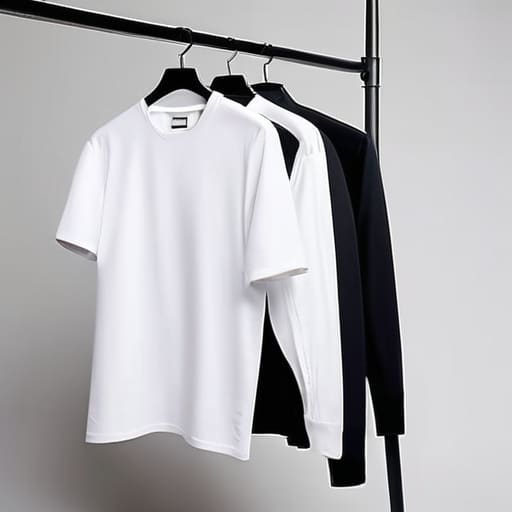
Look, you can buy the most expensive heavy-weight blank on the market, but if the armhole sits two inches too low, it’s going to look like a costume, not a piece of design. This is where the “cut and sew versus blanks” debate stops being about math and starts being about identity. Your silhouette is the visual shorthand for your brand; it’s the difference between looking like a curated streetwear label and looking like a walking billboard for a wholesale supplier.
When you’re working with blanks, you are essentially renting someone else’s shape. You’re stuck with their specific shoulder drop, their sleeve length, and their “standard” fit, which means you’re inherently limited by their design decisions. You can play with oversized sizing, but you can’t change the actual geometry of the garment.
Cut and sew is a completely different beast because you own the pattern. If your vision requires a cropped boxy fit with a slightly wider neck rib, you just make it happen. You aren’t fighting against a pre-existing template; you are building the architecture from the ground up.
For anyone trying to build a distinct aesthetic, cut and sew wins hands down. Blanks are fine for testing the waters, but true silhouette control belongs to custom patterns.
Mastering Apparel Manufacturing Cost Analysis Beyond the Trend
Look, everyone wants to talk about “brand identity,” but if you can’t make the math work, your brand is just an expensive hobby. Whether you’re choosing blanks or going full cut and sew, you’re making a high-stakes bet on your unit economics. If you miscalculate your landed cost here, you aren’t just losing a few bucks per shirt; you’re bleeding out before you even hit your first drop.
When you go with blanks, your cost analysis is relatively straightforward—you pay a premium per unit for the convenience of low MOQs. It’s predictable, which is great for testing a vibe, but you’ll never escape that ceiling on your profit margins. On the flip side, cut and sew is a financial beast. You’re front-loading massive capital into tech packs, grading, and sampling. It’s a terrifying upfront investment, but once you scale, the cost per garment drops significantly because you’re actually controlling the source.
If you’re playing it safe and need to preserve cash flow while testing the waters, blanks win on accessibility. But if you’re playing the long game and want to actually build a sustainable business, cut and sew is the only way to scale your margins.
The bottom line: Craft vs. Convenience
Blanks are a fantastic way to test if your designs actually resonate with people, but don’t let the ease of them trick you into thinking you’ve built a real brand—you’re just a curator until you control the pattern.
If you’re going the blank route, obsess over the specs like GSM and fabric composition; a cheap, thin blank will kill your reputation faster than a bad print job ever could.
Cut and sew is the long game for when you want to stop fitting into someone else’s silhouette and start defining your own, even if the upfront cost and technical headache feel massive right now.
Frequently Asked Questions
If I start with blanks to save money, at what specific volume does it actually become cheaper to switch to a full cut and sew production run?
Look, there’s no magic number, but I usually see the math start to make sense around the 300 to 500 unit mark per style. If you’re sitting at 50 units, the tech packs and pattern grading for cut and sew will absolutely eat your lunch. But once you hit that mid-scale volume, the per-unit cost of a custom garment drops enough to offset those massive upfront setup fees. That’s when you stop buying someone else’s shape.
How do I check the actual quality of a blank supplier's GSM without physically feeling the fabric in my hands?
Look, I get it—you can’t always get a sample swatch in your hands immediately. If you’re stuck behind a screen, stop looking at the marketing photos and start hunting for the technical spec sheets. Look for the specific GSM (grams per square meter) number. If they aren’t listing it, that’s a massive red flag. Also, check the fiber composition; a high GSM 100% cotton feels way different than a heavy polyester blend.
Can I achieve a custom silhouette using blanks through clever pattern manipulation, or am I always going to be stuck with their standard fit?
Look, you can play around with things like heavy distressing, oversized layering, or even some clever cropping, but let’s be real: you’re still working within someone else’s architecture. You can try to “manipulate” a blank, but you’re essentially just fighting the original pattern. If you want a specific drop shoulder or a unique side-seam curve, you can’t hack it with a pair of shears and a dream. You need your own patterns.