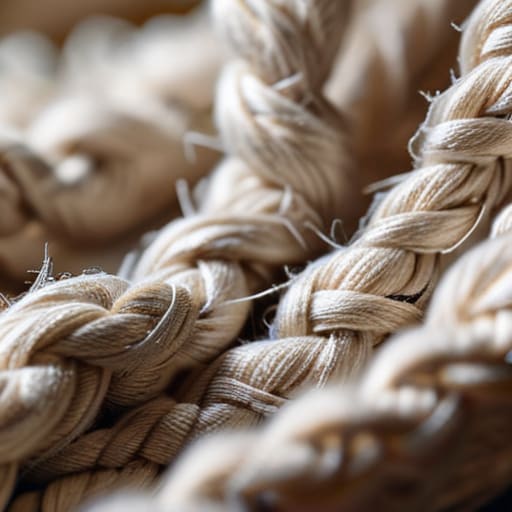
I was sitting in my shared studio last Tuesday, staring at a pile of heavy-duty 300 GSM blanks I’d just finished screen printing, when I realized I’d made the ultimate amateur mistake. I’d let a batch of premium organic cotton tees go through a high-heat cycle just to save time, and the result was heartbreaking. Seeing that beautiful, structured drape turn into a limp, shriveled mess is exactly how you end up with tumble drying damage that makes a high-end garment look like a cheap giveaway. It’s not just about a little shrinkage; it’s about the loss of soul in the fabric when the fibers get cooked.
I’m not here to give you some vague, polished guide from a laundry detergent brand. I want to talk about what actually happens to the weave and the weight of your clothes when you blast them with heat. I’m going to break down the real physics of why your favorite pieces are failing you and how to actually preserve the integrity of your wardrobe. We’re skipping the marketing fluff and getting straight into the mechanics of heat, fiber tension, and how to stop turning your investment pieces into rags.
Understanding Clothing Fiber Degradation and Structural Loss
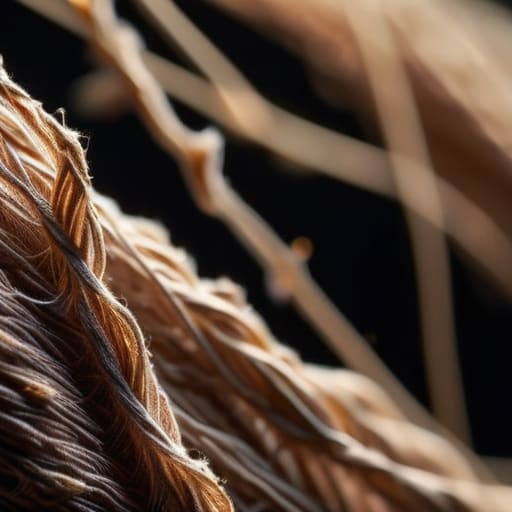
Look, when you’re dealing with a high-quality heavy cotton or a soft jersey, you aren’t just drying fabric; you’re basically subjecting those tiny fibers to a high-stress endurance test. Every time you crank the heat, you’re accelerating clothing fiber degradation. It’s not just about the shirt getting smaller; it’s about the microscopic snapping of those fibers that makes a once-structured garment feel limp and “fuzzy” after just three washes. Once those structural bonds break, you can’t just stitch them back together.
It’s also a mechanical nightmare in there. The constant tumbling action combined with intense heat causes the fibers to fray and break off, which is exactly what you see accumulating in your lint trap. If you aren’t paying attention to tumble dryer temperature control, you’re essentially sandblasting your clothes from the inside out. I’ve seen so many beautiful, heavy-weight blanks lose their shape because the heat literally cooked the elasticity right out of the weave. If you want to actually keep the integrity of a good piece, you have to stop treating your dryer like an “everything goes” machine.
Why High Gsm Fabrics Fail Under Improper Heat
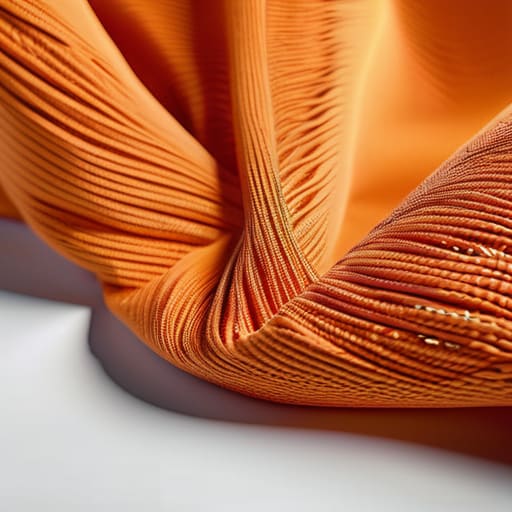
Look, there is a massive misconception that because a blank feels heavy and expensive, it’s somehow “tougher” in the laundry. It’s actually the opposite. When you’re dealing with a high-GSM heavyweight cotton, you’re dealing with a dense network of fibers that have been tightly knit or looped to give that premium structure. The moment you crank the heat, you aren’t just drying the fabric; you are essentially cooking the tension right out of the weave. High heat causes those dense fibers to contract violently, which is why your favorite oversized tee suddenly fits like a slim-fit from a fast-fashion site.
If you want to avoid turning a premium garment into a stiff, shrunken mess, you have to get serious about tumble dryer temperature control. Most people just grab whatever setting is easiest, but for heavyweights, that’s a death sentence. Instead of blasting them, try using lower heat or even air-drying to keep the structural integrity intact. It’s a bit more effort, sure, but preventing fabric shrinkage is much easier than trying to figure out how to stretch a ruined garment back to life.
How to stop your favorite pieces from turning into rags
- Stop treating your heavy cotton blanks like gym socks; if it’s a high-GSM tee, lay it flat to dry or you’ll be fighting a losing battle against shrinkage and warped hems.
- Check the care labels, but don’t blindly trust them—if the fabric feels dense and premium, just assume high heat is going to cook the fibers and kill that soft hand-feel.
- Turn everything inside out before you even think about the laundry, mostly so you can see if the structural integrity is already failing, but also to protect any screen prints from getting those nasty heat cracks.
- Ditch the dryer sheets if you’re working with high-quality natural fibers; they coat everything in a weird film that messes with the breathability and actual texture of the weave.
- If you absolutely must use a dryer, crank the heat down to low and pull your clothes out while they’re still slightly damp to prevent that “crunchy” feeling that happens when you over-dry the life out of them.
The Bottom Line on Keeping Your Garments from Turning to Trash
Stop treating high-GSM heavyweights like cheap undershirts; that extra density means more surface area for heat to wreck the fibers, so if you want to keep that structure, air dry or use the lowest heat setting possible.
Watch out for the “fuzzy” look—if your favorite vintage-feel blank is starting to pill or look shaggy after a cycle, the mechanical action of the dryer is literally shredding the surface fibers.
Heat is the enemy of longevity; every time you blast a garment in a hot dryer, you’re paying the price in shrinkage and lost shape, effectively turning a premium piece into a glorified rag.
Frequently Asked Questions
If I can't use the dryer, is air-drying actually going to ruin the shape of my heavy cotton tees?
Honestly, air-drying is actually safer, but you can’t just toss a heavy tee on a wire hanger and call it a day. If you do that, the weight of the wet fabric will pull the shoulders out of whack and leave you with these weird, permanent “hanger bumps.” To keep the shape, lay them flat on a drying rack. It takes longer, but it preserves the structure way better than a machine ever could.
Can I save a high-GSM shirt that's already shrunk, or is the fiber damage permanent?
Look, I’ll be real with you: if the fibers have actually snapped or the knit has tightened into a permanent, dense mess, you’re mostly looking at a loss. You can try the old hair conditioner soak to relax the fibers and gently stretch it back, but it’s a gamble. If the heat has already compromised the structural integrity of that high-GSM cotton, no amount of stretching is going to bring back the original drape.
Is there a specific temperature setting that won't absolutely wreck my garment's structural integrity?
Look, if you’re dead set on using the machine, keep it on low heat or “delicate.” Anything above 30°C (around 85°F) is where the real damage starts happening to those heavy cotton fibers. I know it’s a pain because air-drying takes forever, but if you want your blanks to actually hold their shape and not turn into a shapeless rag after three washes, you have to stop treating your dryer like it’s invincible.