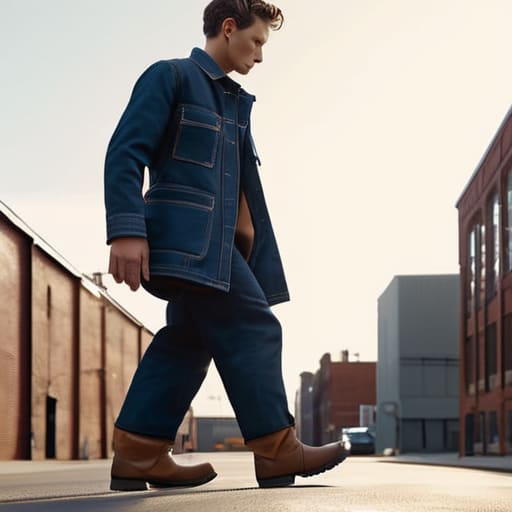
I was hunched over a heavy-duty Juki sewing machine in a drafty studio last Tuesday, trying to figure out why a “designer” carpenter pant I’d been gifted felt like literal tissue paper. It’s the same frustration I see every time I scroll through my feed: people are paying triple digits for the look of utility without any of the actual substance. The current workwear influence on street style has become a massive game of aesthetic cosplay, where brands slap a few extra pockets onto a flimsy, lightweight canvas and call it “heritage.” If the fabric can’t survive a single day of actual abrasion, it isn’t workwear; it’s just a costume.
I’m not here to tell you which logo is trending or which runway model is wearing a chore coat this season. Instead, I want to pull back the curtain on what actually makes a garment functional. We’re going to talk about fabric weight, stitch density, and hardware durability so you can stop wasting money on hype and start building a wardrobe that actually lasts. I’ll show you how to spot the difference between a real heavy-duty build and a marketing gimmick, because quality shouldn’t be a luxury.
Why Heritage Workwear Brands Beat Fast Fashion Gimmicks
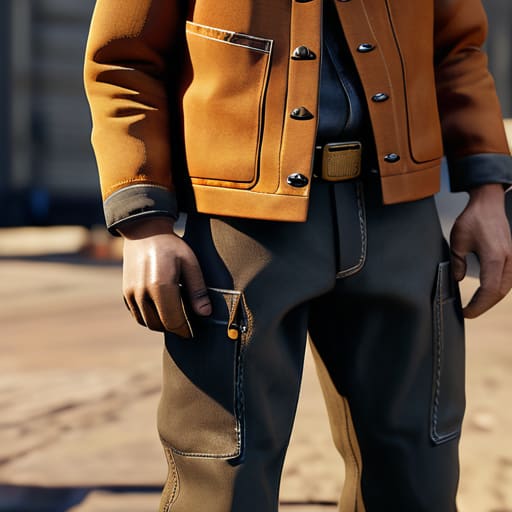
Look, I’ve spent way too many late nights in the studio staring at seams that just… give up. We’ve all seen those fast-fashion brands trying to cash in on the industrial aesthetic in streetwear by slapping a few extra pockets onto a flimsy, polyester-blend trouser. It looks the part for a TikTok transition, sure, but the second you actually move in them, the whole illusion falls apart. Those pieces aren’t built for life; they’re built for a single season of looking “tough.”
When you actually invest in heritage workwear brands, you aren’t just paying for a logo; you’re paying for the math behind the garment. I’m talking about triple-needle stitching and heavy-duty canvas that actually holds its shape after ten washes. There is a massive difference between a pair of mass-produced trousers and the intentionality found in functional clothing design. One is a costume meant to mimic a lifestyle, while the other is a tool designed to survive it. I’d much rather own one pair of pants that can actually handle a workshop than a closet full of “rugged” junk that loses its structure by lunchtime.
The Enduring Value of Functional Clothing Design
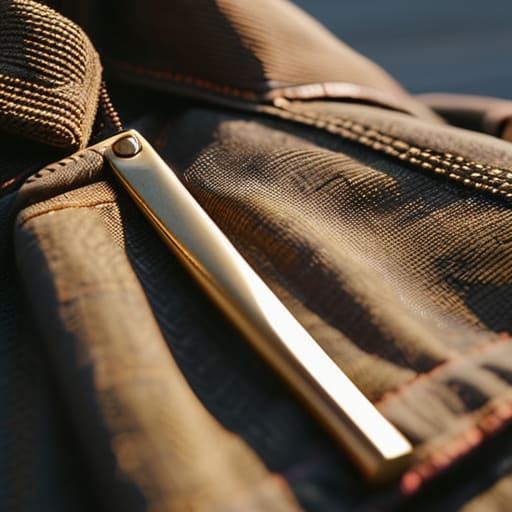
The thing about functional clothing design is that it isn’t actually “designed” to look cool—it was designed to survive a twelve-hour shift on a construction site or in a machine shop. When we see the current industrial aesthetic in streetwear, we’re seeing the leftovers of that necessity. I’m talking about reinforced knee panels, hammer loops, and triple-needle stitching. These aren’t just aesthetic flourishes to make a garment look “tough”; they are structural responses to physical stress. If a brand is slapping a dozen extra pockets on a jacket just to follow utilitarian fashion trends without actually reinforcing the stress points, they’re just selling you a costume.
I always tell people: look at the hardware. If you’re eyeing those carpenter pants street style has been obsessed with lately, check if the rivets are actually functional or just glued on for the vibe. True value lies in the utility of the construction. When a piece is built with a specific task in mind, the silhouette follows the function, and that’s why it looks so much more grounded than the flimsy, trend-chasing stuff coming out of the big fast-fashion houses.
Stop buying the look and start buying the build
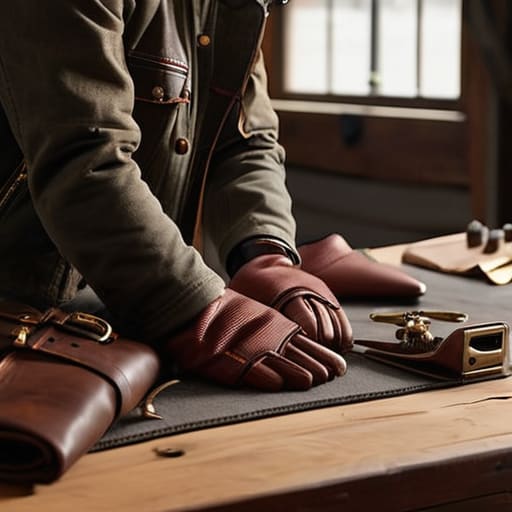
- Check the weight, not just the color. If you’re looking for that rugged workwear vibe, a flimsy 140 GSM cotton tee isn’t going to cut it. You want something substantial—think 250 GSM or higher—so it actually holds its shape instead of looking like a wet paper towel after one wash.
- Turn the garment inside out. I do it with every piece I touch. If the seams are raw, fraying, or just messy “overlock” stitching that looks like it was done by a robot on caffeine, put it back. Real workwear is defined by reinforced stitching and clean finishes that can actually take a beating.
- Look for hardware that isn’t plastic. A lot of streetwear brands slap a “workwear” label on a jacket but use cheap, lightweight plastic zippers that snag immediately. If you want the real deal, look for heavy-duty brass or metal hardware; it’s the difference between a piece that lasts a decade and one that ends up in a landfill by next season.
- Prioritize fabric composition over “distressed” aesthetics. Don’t fall for the trap of buying pre-ripped or chemically washed clothes that are meant to look old. Instead, look for high-quality canvas, heavy twill, or denim. Real character comes from how a solid fabric ages naturally, not from a factory-applied “vintage” wash.
- Pay attention to the pocket construction. In true utility wear, pockets are reinforced at the stress points. If a brand puts “cargo pockets” on a pair of pants but they’re just thin patches sewn onto the surface, it’s just a costume. Look for double-needle stitching around the openings so they don’t sag when you actually put something in them.
The real bottom line
Stop chasing the “aesthetic” and start checking the specs; if a piece looks like workwear but has zero reinforced stitching or flimsy fabric, it’s just a costume that’s going to fall apart in three washes.
Real value lives in the details you can’t see in a filtered Instagram photo, like the weight of the canvas or the way a garment is constructed to actually move with you.
Investing in heavy-duty, well-made pieces isn’t just about style—it’s a direct middle finger to the cycle of cheap, disposable clothing that’s designed to fail.
Frequently Asked Questions
How can I actually tell the difference between a heavy-duty canvas jacket and a cheap polyester blend that's just trying to look "rugged"?
Look, don’t let the “distressed” wash fool you. First, grab the hem and give it a real tug; a proper heavy canvas will have zero give, whereas a cheap poly-blend will stretch like a gym shirt. Next, check the weight. If it feels surprisingly light or has that weird, slippery sheen under the light, it’s plastic masquerading as grit. Real ruggedness comes from density and texture, not a factory-applied fake fade.
Is it worth paying the premium for authentic heritage brands, or are there small-run producers doing the construction better for less?
Honestly? It’s a toss-up. Heritage brands have the pedigree, but you’re often paying a massive markup for a logo and a history lesson. If you’re looking for actual construction, some small-run producers are absolutely crushing it—often using better selvedge or higher GSM fabrics because they aren’t bloating their overhead. Don’t buy the name; check the flatlock stitching and the weight of the canvas. If the construction is solid, the price tag is just noise.
How do I style these heavy, functional pieces without looking like I’m wearing a costume?
Look, the biggest mistake I see is the “full uniform” trap. If you pair a heavy duck canvas jacket with matching carpenter pants and work boots, you’re not wearing an outfit; you’re wearing a costume. It’s too much. Break it up. Throw that rugged chore coat over some worn-in denim or a soft jersey tee. Mix the textures. You want the contrast between the heavy-duty construction and something more relaxed to make it look intentional, not like you’re heading to a construction site.