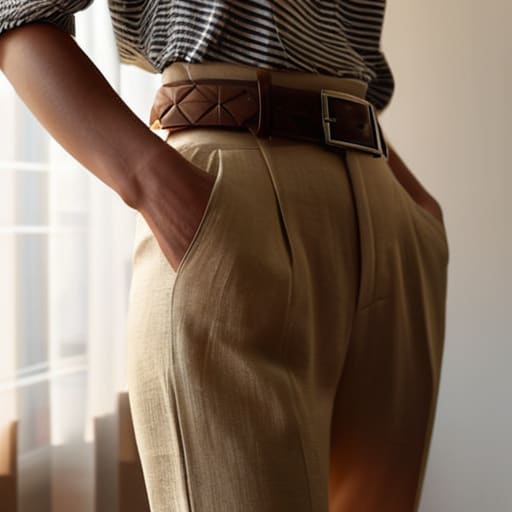
I was hunched over my cutting table last Tuesday, surrounded by scraps of heavy-duty cotton drill, when I realized I’d spent the last twenty minutes fighting with my own waistband. It’s that specific, itchy frustration where you realize your “fashionable” pants are actually just a structural nightmare designed to look good in a static photo. Everyone is talking about the massive rise in trousers and comfort like it’s some new, revolutionary discovery, but honestly? Most brands are just slapping a label on a baggy silhouette without actually fixing the engineering. They’re giving you the look of ease while completely ignoring how a seam actually sits against your hip when you’re moving through a real day.
I’m not here to tell you which brand is “vibey” or what the latest runway aesthetic is. I want to talk about the actual mechanics of why some pants feel like a second skin while others feel like cardboard. We’re going to dive into fabric weight, rise measurements, and why a proper gusset matters more than any hype-driven marketing campaign. I’ll show you how to spot a well-constructed pair that actually respects your body, so you can stop paying a premium for clothes that look comfortable but feel like a chore to wear.
High Waisted vs Low Rise Comfort It Is a Math Problem
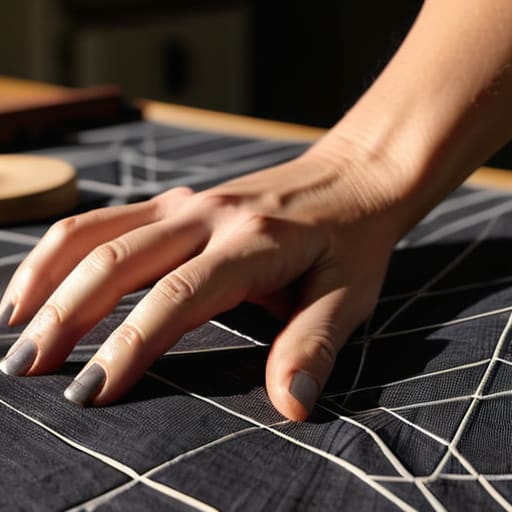
When I’m pattern cutting, I stop looking at the “vibe” of a silhouette and start looking at the geometry. People treat the rise like a stylistic choice—like choosing between a baggy tee or a slim one—but it’s actually a physics equation involving your pelvis and your range of motion. If you’re debating high waisted vs low rise comfort, you aren’t just picking an aesthetic; you’re deciding where the tension sits when you actually move.
A high rise might feel secure, but if the waistline height and body proportions aren’t aligned with your actual torso length, you’re going to spend the whole day fighting your clothes just to sit down. On the flip side, low-rise isn’t just “Y2K nostalgia”—it changes the entire impact of rise on mobility because the waistband is constantly battling gravity. I always tell my clients to stop looking at the label and start looking at the actual measurement from the crotch seam to the top of the band. If that math doesn’t work for your anatomy, no amount of “relaxed fit” branding is going to save you from a wedgie.
The Impact of Rise on Mobility and Real World Movement
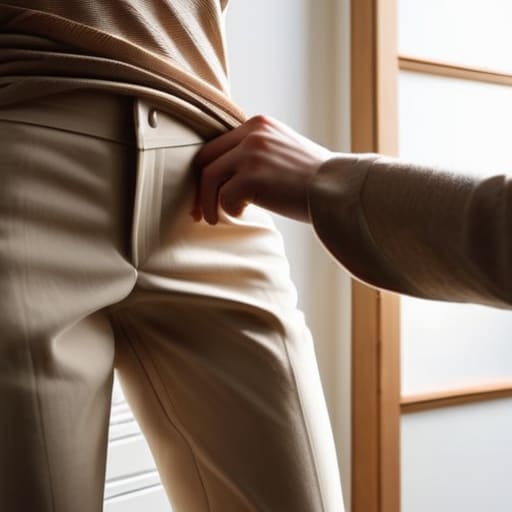
Here’s the thing: a garment might look incredible on a static mannequin, but the second you actually try to live in it, the math changes. I’ve spent way too many hours at my cutting table realizing that the impact of rise on mobility isn’t just a technicality—it’s the difference between a pair of trousers you wear for ten minutes and a pair you live in. When the rise is too short, you’re basically fighting a constant battle against the fabric every time you sit down or reach for something on a high shelf. It’s that awkward, restrictive feeling where the crotch seam starts digging in, and suddenly, you’re hyper-aware of your own body in the worst way.
On the flip side, finding that sweet spot in a mid-rise trouser fit benefits your range of motion without making you feel like you’re wearing a diaper. It’s all about where that waistband actually sits in relation to your hips. If the rise is too deep without enough structural integrity, you lose all your shape; if it’s too shallow, you’re stuck in a permanent state of constricted movement. Real comfort isn’t just about soft fabric; it’s about how the geometry of the garment respects the way humans actually move.
Stop chasing the silhouette and start checking the construction
- Check the crotch curve, not just the label. A high rise can still feel like a chokehold if the curve isn’t cut deep enough to actually accommodate your hips. If the seam is digging in while you’re just standing still, it’s a bad pattern, not a “fit issue.”
- Look for a contoured waistband. If the waistband is just a straight strip of fabric, it’s going to gap at the back the second you sit down. I’m looking for that slight curve in the construction that follows the natural arc of the human waist.
- The “Sit Test” is non-negotiable. When you’re trying something on, don’t just check the mirror. Sit down, cross your legs, and reach for something on a high shelf. If the rise pulls your trousers down to your ankles or cuts your circulation, leave them on the rack.
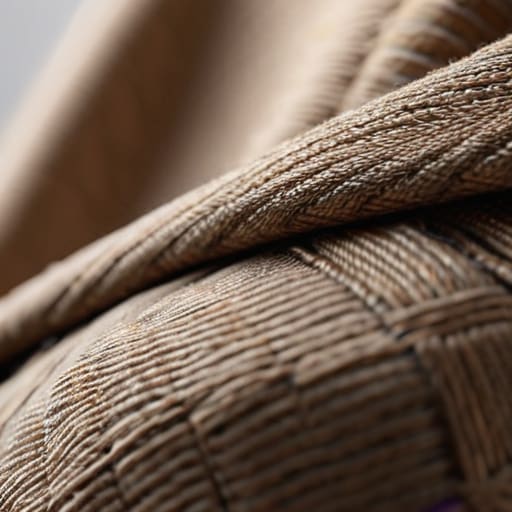
- Weight matters for drape. A heavy-weight twill or denim will hold a high-rise shape much better than a thin, flimsy blend. If the fabric is too light, a high rise will just sag and lose its structural integrity after two hours of wear.
- Mind the pocket placement. On high-rise trousers, if the front pockets are placed too low, they’ll flare out and ruin the line of the garment. You want the pocket openings to sit where your hands naturally fall, otherwise, you’re just adding unnecessary bulk to your silhouette.
The bottom line on finding your fit
Stop chasing the silhouette of the week; if the rise doesn’t account for how your hips actually move when you sit down, you’re just buying a very expensive piece of sculpture.
High-waisted isn’t a magic fix for comfort, and low-rise isn’t a death sentence—it’s about the math of where the waistband hits your natural center of gravity.
Look past the “comfort” label on the tag and check the construction; a well-cut rise is useless if the fabric tension is so tight it fights your every move.
Frequently Asked Questions
Does a higher rise actually mean I need to size up to avoid that awkward pulling feeling at the crotch?
It’s not always a sizing issue; it’s usually a geometry issue. If the rise is high but you’re feeling that awkward tugging, the garment’s crotch curve probably isn’t mapped to your actual anatomy. Before you buy a size up—which just leaves you with a baggy waist—check the seat depth. If the fabric is pulling, the rise is too short for your torso, not necessarily too small for your body.
How much does the fabric weight—like a heavy denim versus a lightweight twill—change how a high-rise waist actually sits on my hips?
It’s all about structural integrity versus drape. If you’re in a heavy, high-GSM denim, that waistband is basically acting like a corset; it stays put, but it can dig in if the fabric lacks any give. A lightweight twill, though? It’s going to follow your curves more, but it might also slide down or bunch up because it lacks the “muscle” to hold its own shape against your hips.
If I'm looking for long-term durability, should I be checking the construction of the waistband or just the rise height?
Look, the rise height tells you where the pants will sit, but it tells you absolutely nothing about whether they’ll survive a wash cycle. If you want longevity, ignore the rise and go straight for the waistband construction. I’m looking for heavy interfacing and reinforced stitching. If the waistband feels flimsy or lacks a proper stay, it’s going to roll and warp within months. Don’t let a “comfortable” rise distract you from poor structural integrity.