I’ve spent more hours than I care to admit hunched over a screen printing press, watching cheap, thin fabrics warp and twist under the heat. It’s infuriating because most of what we see online is just high-speed marketing designed to make you feel like your current closet is obsolete. We’re being flooded with “must-haves” that fall apart after a single wash, making the search for actual essential pieces worth owning feel like a full-time job. I’m tired of seeing people drop fifty bucks on a “streetwear” tee only to realize the side seams are crooked and the neck ribbing is basically tissue paper.
I’m not here to tell you what’s going to be “in” next month; I want to talk about the stuff that actually lasts. In this list, I’m breaking down six specific items that serve as the backbone of a real wardrobe, focusing on the technical details that actually matter. We’re going to look past the logos and dive into things like GSM, fabric weight, and construction integrity. By the end of this, you’ll know exactly how to spot a garment that’s built to endure, rather than just one that looks good in a filtered photo.
The Heavyweight Boxy Tee
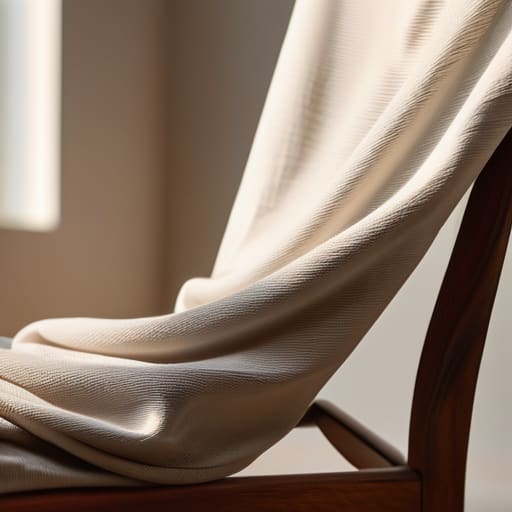
If you’re still buying those thin, see-through blanks from the big-box retailers, please stop. You’re essentially paying for a garment that will lose its shape the second it hits a warm wash cycle. I always look for something in the 280 to 300 GSM range; it needs to have enough weight to actually hold its own silhouette rather than just clinging to your body.
The Raw Denim Straight Cut
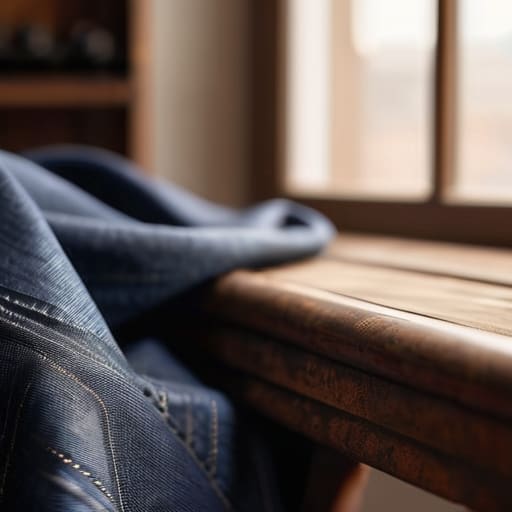
I know, I know—everyone loves a distressed look, but there is nothing quite like the way a pair of high-quality, raw denim settles over time. Most “designer” jeans these days are pre-distressed with chemicals that actually weaken the fibers, making them prone to tearing in weird places. I’d much rather spend the extra cash on a pair that starts stiff and becomes a second skin through actual wear.
The Oversized Wool Blazer
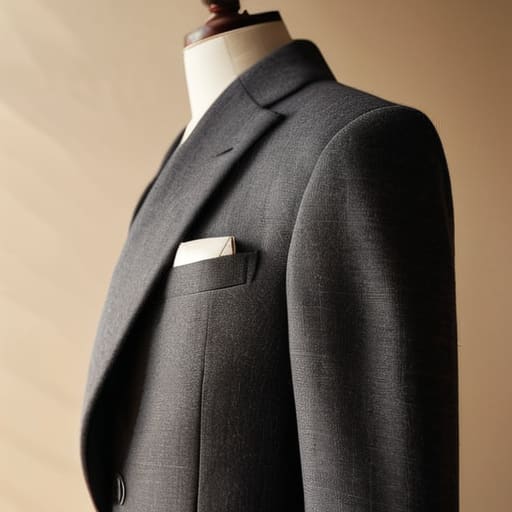
A blazer shouldn’t feel like a costume, and it definitely shouldn’t feel like it’s made of recycled plastic. I’ve seen so many “streetwear” blazers that are actually just polyester blends masquerading as luxury. If you want something that lasts, you have to hunt for natural wool blends that allow the fabric to breathe and drape naturally over your shoulders.
The French Terry Hoodie
Most hoodies on the market are made from cheap fleece that pills after two wears, leaving you looking like you’ve been wearing a fuzzy sweater for a decade. I’m talking about that annoying little ball of lint that ruins the whole aesthetic. Instead, look for heavyweight French Terry. It has those little loops on the inside which make it way more durable and much better at regulating your temperature.
The Structured Workwear Jacket
There is a reason why workwear has stayed relevant for decades: it was actually designed to do something. Whether it’s a canvas chore coat or a heavy cotton twill jacket, these pieces are built for utility, not just for the aesthetic. I’m obsessed with the way a real canvas jacket develops a patina over time, much like a good pair of boots.
The High-Gauge Knit Sweater
We need to talk about the difference between a sweater that feels soft and a sweater that is actually well-made. A lot of the “soft” stuff out there is just heavily brushed synthetic fiber that will pill almost instantly. I prefer a high-gauge knit in a natural fiber like merino or cotton, which offers a much cleaner, more sophisticated texture.
The Bottom Line (Before You Hit Checkout)
Stop chasing the “drop” and start checking the specs; if they aren’t telling you the GSM or the fabric composition, they’re probably hiding a cheap construction behind a loud logo.
Quality is found in the details you can’t see at first glance, so always turn the garment inside out to inspect the seam allowances and finishings before you commit.
Investing in better construction—like reinforced stitching and heavy-weight blanks—isn’t just about looking good, it’s about not having to replace your entire wardrobe every six months.
Frequently Asked Questions
How can I tell if a heavy cotton tee is actually high GSM or if they're just using a cheap, stiff weave to fake the weight?
The “stiffness test” is a trap. A lot of brands use a cheap, high-twist weave to make a shirt feel heavy and structural, but it’ll feel like wearing a piece of cardboard and lose its shape after one wash. Instead, do the drape test. Grab the hem and let it hang; a true high-GSM cotton should feel substantial but have a fluid, heavy fall. If it feels crunchy or “papery,” they’re just masking low-quality yarn with a stiff finish.
If I'm looking at vintage pieces, how do I know if the construction is actually better than modern blanks or just aged?
Look, don’t let the “vintage” label fool you into thinking everything old is gold. To tell if it’s actual craft or just luck, turn it inside out—always. Check the seams. Are they single-needle stitched or a messy overlock? Feel the weight; real vintage heavyweights have a density that modern fast-fashion blanks can’t fake. If the collar is limp and the stitching is fraying at the stress points, it’s just old. If it holds its shape? That’s construction.
Are there specific seam types, like flatlock or felled seams, that I should be hunting for to make sure these pieces actually last?
Oh, absolutely. If you’re looking for longevity, stop looking at the label and start looking at the inside. I always flip my garments inside out first for this exact reason. You want to hunt for flatlock seams if you’re into activewear—they’re smooth and won’t chafe—but for your heavy cotton tees and denim, look for felled seams. They’re basically double-stitched and tucked away, making them way harder to rip or fray. If it looks messy inside, it won’t last.