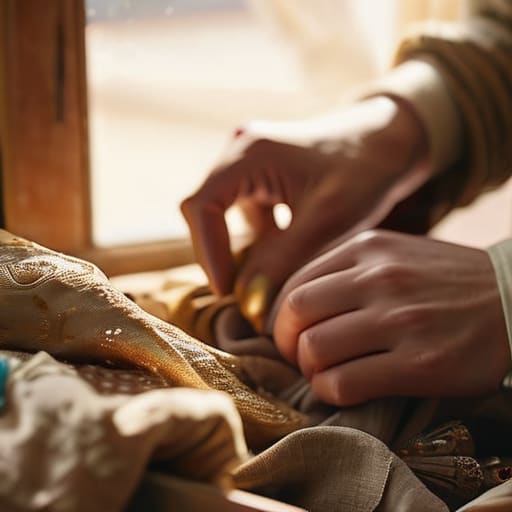
I was elbow-deep in a bin of mystery textiles at a local charity shop last weekend, and I swear, I saw someone reach for a “vintage” graphic tee only to realize it was actually just a flimsy, fast-fashion knockoff from three seasons ago. It’s infuriating. Everyone talks about thrifting and secondhand finds like it’s this magical scavenger hunt for gold, but half the time you’re just digging through polyester blends that have zero structural integrity. If you aren’t checking the side seams or feeling the weight of the knit, you aren’t thrifting—you’re just buying more trash that’s going to fall apart the second it hits a washing machine.
I’m not here to teach you how to curate a “vibe” for your Instagram feed or how to hunt for overpriced designer labels that are actually just clever marketing. Instead, I want to show you how to actually read a garment. I’m going to pull back the curtain on how to spot real construction—we’re talking heavy GSM cotton, reinforced stitching, and natural fibers—so you can build a wardrobe that actually lasts. Let’s stop chasing trends and start looking at the actual craft.
Identifying Fabric Integrity Over Fleeting Trends
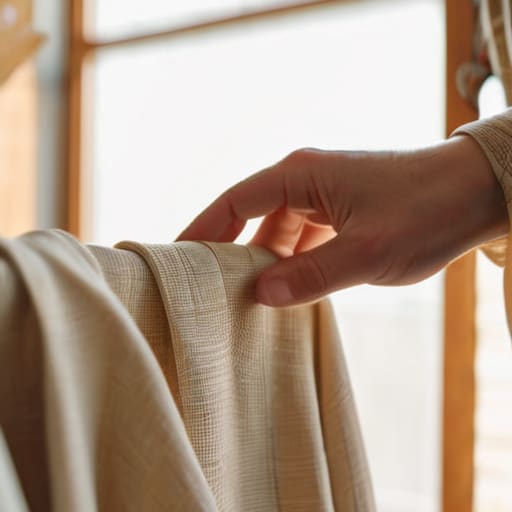
When you’re digging through a rack, it is so easy to get blinded by a killer graphic or a brand name that used to be “it.” But honestly? Most of that is just noise. I always tell people to ignore the tag for a second and actually feel the weight of the material. If you’re looking for longevity, you need to be hunting for high-GSM cotton or heavy-weight wool. If a piece feels flimsy or looks like it’s going to pill the moment it touches a washing machine, it’s not a win, no matter how cool the print is.
One of my biggest thrift store hunting tips is to check the construction, not just the silhouette. I’ll literally turn a garment inside out before I even look at the front—I want to see if the seams are finished or if they’re just raw, cheap edges that will fray in a week. True pre-loved clothing value lies in the structural integrity. If the stitching is tight and the fabric has some real heft to it, that piece is going to survive another twenty years. If it’s thin and limp? Leave it on the rack.
Spotting Pre Loved Clothing Value Through Construction
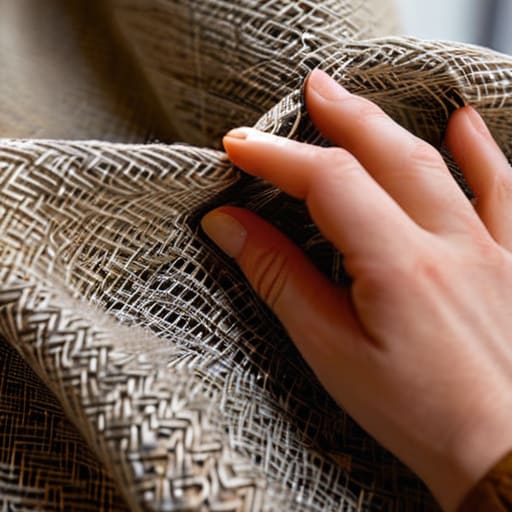
Once you’ve checked the fabric weight, it’s time to flip that garment inside out—my personal ritual, by the way—and look at the guts of the piece. I don’t care if the graphic on the front is a rare band print; if the overlock stitching is loose or fraying at the side seams, that item is a ticking time bomb. When I’m curating a vintage wardrobe, I’m looking for tight, consistent stitch density. If the thread looks like it’s struggling to hold the fabric together, it’s not worth the space in your closet.
Pay close attention to the way the garment is actually put together. High-quality pieces often feature reinforced seams or even French seams, which are much harder to find in the fast-fashion era. You should also check the hem; a deep, heavy hem usually indicates a garment built to hold its shape, whereas a thin, single-needle rolled hem is a sign of cost-cutting. Understanding these small details is the real secret to finding pre-loved clothing value that actually lasts through years of washing and wearing.
My Cheat Sheet for Not Wasting Money on Junk
- Stop looking at the tag for the brand name and start looking at the weight; if a heavyweight cotton tee feels like a bedsheet, it’s going to pill and lose its structure by next month.
- Do the inside-out test immediately—I don’t care how sick the graphic looks on the front, if the overlock stitching is fraying or the seams are puckering, that garment is a ticking time bomb.
- Check the necklines for “bacon neck”—if the ribbing looks wavy or stretched out on the hanger, it’s already lost its tension and you’ll never get that crisp shape back.
- Learn to recognize high-quality natural fibers like linen or heavy wool by touch alone, because the best stuff in the thrift racks usually doesn’t have a flashy logo to distract you.
- Always inspect the armpits and inner thighs for thinning fabric; even if there aren’t visible holes yet, if the weave looks fuzzy or translucent, the integrity is gone and it’s not worth the haul.
The Cheat Sheet for Your Next Thrift Haul
Stop looking at the graphic first; grab the fabric and give it a stretch test to see if it snaps back or stays saggy.
Turn the garment inside out immediately—if the seams are raw, puckered, or fraying internally, it doesn’t matter how good it looks on the hanger.
Ignore the “vintage” label if the weight feels wrong; look for heavy, substantial cotton that actually holds its shape instead of thin, flimsy blends.
Frequently Asked Questions
How do I tell if a vintage garment is actually high-quality cotton or just a cheap synthetic blend that's been washed a thousand times?
The easiest way? Use your hands, not just your eyes. Give the fabric a good squeeze. Real, high-quality cotton has a certain “memory”—it should feel substantial and spring back, not feel limp or plasticky. If it feels weirdly slick or has that unnatural, static-y cling, it’s likely a synthetic blend masquerading as vintage. Also, check the drape; pure cotton falls with weight, while cheap poly-blends tend to hang a bit stiffly or awkwardly.
Are there specific brand names I should look for that actually hold their shape, or is it better to just ignore labels and feel the weight of the fabric?
Honestly? Ignore the labels. If you start hunting for specific brand names, you’re just playing into the very marketing loop I’m trying to break. A “designer” tag doesn’t guarantee a heavy-duty weave, and a thrifted no-name can be a goldmine of high-GSM cotton. Instead of looking for a logo, look for the weight. If it feels substantial in your hands and the seams don’t pull when you stretch them, that’s your winner.
If I find something with a killer graphic but the seams are already starting to fray, is it worth the effort to repair or am I just wasting my time?
Honestly? It depends on the “why.” If it’s a single seam fraying because of a snag, grab a needle and some matching thread—that’s a quick fix. But if the fabric itself is shredding near the stress points, you’re fighting a losing battle against gravity. Don’t fall in love with a graphic just to end up with a pile of rags. If the integrity is gone, let it go. Save your energy for pieces that can actually be saved.