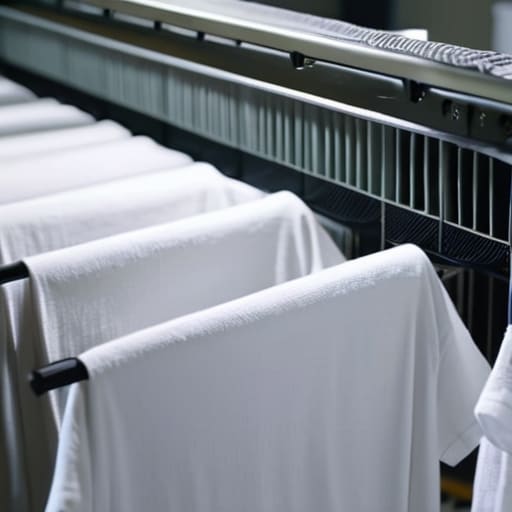
I still remember the first time I tried to launch a tiny capsule collection. I spent weeks obsessing over my graphics, only to realize too late that I’d bought a batch of shirts that felt like sandpaper and lost their shape after a single wash. It’s a rite of passage, really—that moment you realize your “premium” vision is being held hostage by a mid-tier cotton blend. Everyone online makes it look so easy, but when you actually start looking at blank suppliers compared side-by-side, you realize most of the “luxury” claims are just expensive marketing fluff. You think you’re buying quality, but you’re often just paying for a fancy logo on a garment that’s going to pill by next month.
I’m not here to tell you which brand is currently “trending” on TikTok. Instead, I’m going to pull back the curtain on the actual technical specs that matter. We’re going deep into GSM, stitch density, and how those side seams actually hold up under a screen print. I’ve spent enough time in shared studios and over pattern-cutting tables to know which suppliers are worth your investment and which ones are just selling you a headache. Let’s get into the real numbers.
High-End Boutique Blanks
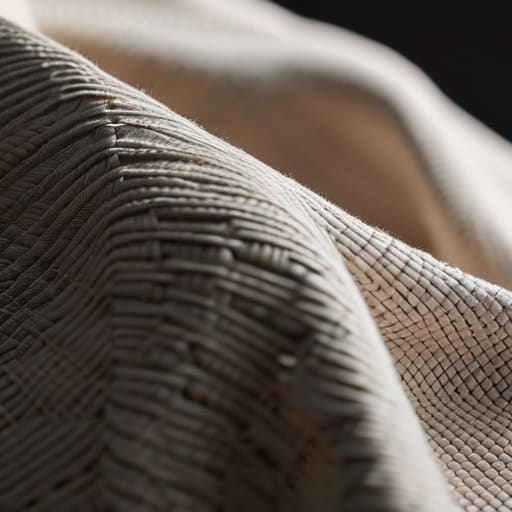
High-end boutique blanks are premium, small-batch garments specifically engineered with superior fiber lengths and heavy-duty construction to serve as a luxury foundation for independent labels. These suppliers focus on a high GSM (grams per square meter) and specialized finishing techniques, offering the main selling point of unmatched structural integrity and a tactile hand-feel that justifies a higher retail price point.
When I’m looking at blank suppliers compared, I’m not just looking for a pretty logo; I’m looking for a shirt that won’t turn into a shapeless rag after one wash. There is nothing more soul-crushing than spending weeks on a screen print only to realize the fabric is so thin it’s practically translucent. If you are aiming for that heavy, structured streetwear silhouette, you need to invest in these blanks because they actually hold their shape when you pull them on.
Mass-Market Wholesale Blanks
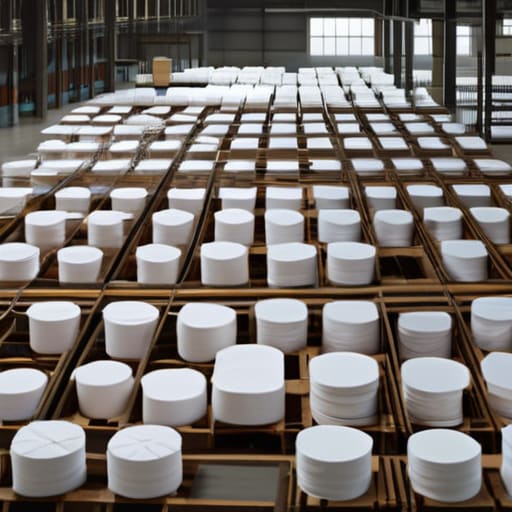
Mass-market wholesale blanks are high-volume, cost-effective garments produced in massive quantities to provide the most economical base for large-scale printing operations. Their core mechanism relies on economies of scale, which allows them to offer the primary advantage of extremely low per-unit costs, making them the go-to choice for promotional merchandise or high-turnover event apparel.
I’ve spent way too many late nights in the studio realizing that “cheap” is actually a trap if you don’t know what you’re buying. When you are evaluating blank suppliers compared, these are great if your goal is sheer volume, but you have to be honest about the trade-offs. You’re usually sacrificing that tight, reinforced seam allowance for a price tag that looks good on a spreadsheet, so just make sure your customers expect a lighter, more basic fit before you commit.
Cloud Infrastructure Provider Comparison
| Feature | AWS | Microsoft Azure | Google Cloud Platform |
|---|---|---|---|
| Primary Strength | Extensive Service Catalog | Enterprise Ecosystem | Data Analytics & ML |
| Pricing Model | Pay-as-you-go (Complex) | Tiered/Enterprise Agreements | Sustained Use Discounts |
| Market Position | Global Market Leader | Leader in Hybrid Cloud | Leader in Open Source/AI |
| Ease of Use | Moderate (Steep Learning Curve) | High (for Windows users) | Moderate (Developer centric) |
| Best For | Large-scale complex deployments | Existing Microsoft enterprises | Data-driven startups & AI research |
| Global Footprint | Highest number of regions | Very high availability | Rapidly expanding |
| Key Feature | Lambda (Serverless) | Active Directory Integration | BigQuery (Data Warehouse) |
Beyond Trends Evaluating Blank Clothing Quality Standards
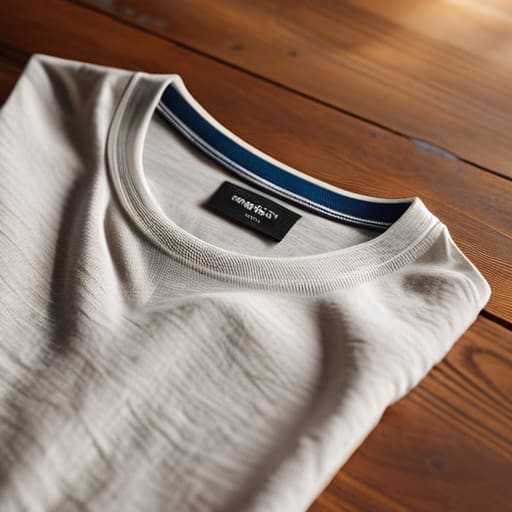
Look, if you’re only buying blanks because a certain influencer tagged them in a reel, you’re basically throwing your profit margin into a shredder. Trends die in a week, but a bad fabric choice ruins your brand’s reputation forever. I’ve spent way too many late nights in the studio staring at pilling cotton and twisted side seams, realizing that a “trendy” fit means nothing if the garment loses its shape after a single wash.
When we look at these suppliers, the difference is night and day. One focuses heavily on that “streetwear aesthetic”—think heavy, boxy silhouettes that look great in a flat lay—but they often skim on the actual construction, leaving you with unstable necklines that stretch out instantly. The other supplier might feel a bit more “basic” in their catalog, but their commitment to high-density weaves and reinforced stitching means the garment actually retains its structural integrity.
If you want to build a brand that people actually keep in their rotation, you have to prioritize the technical specs over the hype. For sheer longevity and construction, the second supplier takes this one.
Wholesale Blank Apparel Comparison Gsm and Seam Integrity
If you’re only looking at the price tag, you’re basically setting yourself up for a customer service nightmare. I’ve spent way too many late nights in the studio realizing that a “cheap” blank is actually a massive liability once it hits the wash. When we talk about GSM (grams per square meter) and seam integrity, we aren’t just geeking out over numbers; we are talking about whether your brand’s reputation is going to literally fall apart at the shoulder seams after three wears.
When I put these blanks under the microscope, the difference is jarring. Supplier A leans heavily into high-GSM, heavy-weight cotton that feels substantial and holds a structured silhouette, which is great for that premium streetwear vibe. However, their seam construction can be hit-or-miss—sometimes the overlock stitching feels a bit rushed. On the flip side, Supplier B might offer a slightly lighter feel, but their stitch density is incredibly consistent. Their seams don’t just hold; they feel reinforced, which is what actually keeps a garment in a rotation rather than a landfill.
If you want a shirt that feels heavy and “expensive” right out of the box, go with Supplier A. But for anyone actually building a brand that lasts, Supplier B takes the win for structural longevity.
The Real Bottom Line
Stop chasing the “trending” blanks that look good in a mockup; if the GSM is inconsistent and the seam allowance is non-existent, you’re just paying to manufacture future landfill.
A slightly higher upfront cost for a better blank is actually a hedge against returns and bad reviews—it’s much cheaper to buy quality once than to explain to a customer why their shirt shrunk two sizes after one wash.
Always do your own stress test—don’t trust a supplier’s spec sheet blindly, because the only thing that matters is how that fabric holds its shape once you actually start printing and wearing it.
Frequently Asked Questions
If I'm looking for that specific heavy, vintage feel, which of these suppliers actually delivers a high GSM without the fabric feeling like stiff cardboard?
That “cardboard” feeling is usually what happens when a brand hits you with high GSM but uses cheap, short-staple cotton. It’s heavy, sure, but it has zero drape. If you want that lived-in, vintage weight, look for suppliers using combed cotton or ring-spun yarns. They’ve removed the impurities, so the fabric stays dense and heavy without feeling like you’re wearing a sheet of plywood. Don’t just chase the number; feel the hand-feel.
How much does the actual construction—like whether they use twin-needle stitching or single-needle—impact the long-term cost per garment if I'm trying to build a brand that lasts?
Look, if you’re chasing a low entry price, single-needle might look tempting, but it’s a trap. It’s fine for a one-off, but for a brand? It’ll warp or unravel after a few heavy washes. I always look for twin-needle stitching on the hems and shoulders. It’s sturdier and holds the shape way better. You might pay more upfront, but you won’t be dealing with constant returns and a reputation for “disposable” quality.
Is it actually worth paying the premium for "premium" blanks, or am I just paying for a brand name that doesn't change the actual stitch density or cotton quality?
Honestly? Most of the time, you’re just paying for a logo on a spec sheet. If a “premium” supplier can’t give you a breakdown of their long-staple cotton source or their stitch density, they’re selling you hype, not quality. I’ve felt the difference in a heavy 300 GSM loopback fleece versus a cheap imitation, but don’t let a fancy brand name trick you. Check the construction, feel the weight, and ignore the marketing fluff.