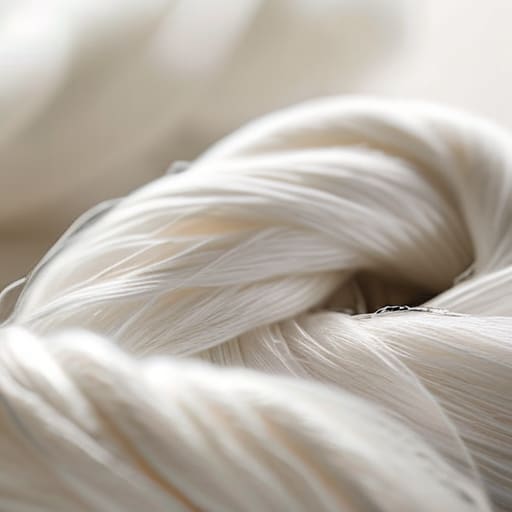
I remember the first time I tried to launch my own line of heavy-weight tees. I was so stoked about my graphic designs that I barely even looked at the spec sheets, only to realize three weeks later that my “premium” blanks felt like sandpaper and looked like they’d surrendered to the washing machine after a single cycle. That’s the trap: most people get caught up in the colorway or the fit, but they completely ignore the fundamental debate of combed versus carded cotton. You think you’re buying a blank, but you’re actually buying the longevity of your entire brand, and if you pick the wrong fiber processing, you’re basically just printing money for the landfill.
I’m not here to sell you on some “luxury” lifestyle or tell you which aesthetic is going to blow up on TikTok next week. Instead, I’m going to pull back the curtain on the actual physics of the fabric. We’re going to talk about fiber length, pill resistance, and exactly why that extra cent per unit for combed cotton is the best investment you’ll ever make for your production run. No hype, just the technical reality of what makes a garment actually worth wearing.
Carded Cotton
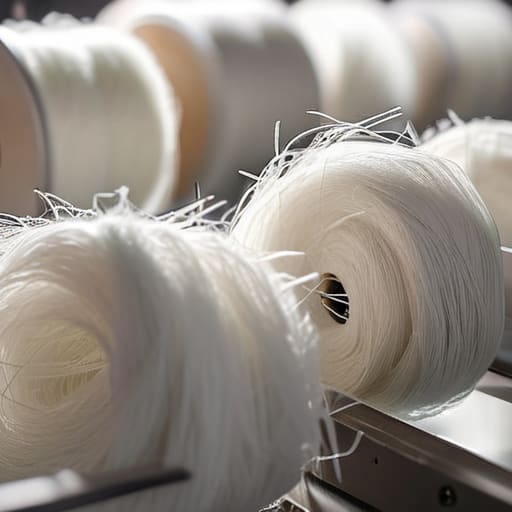
Carded cotton is the baseline of the textile world, produced by mechanically brushing raw fibers into a loose, parallel arrangement to create a continuous strand. Its main objective selling point is efficiency and cost-effectiveness, making it the go-to choice for high-volume manufacturing where speed and price-point are the ultimate drivers.
I’ve spent way too many late nights in the studio staring at a pile of cheap blanks that felt more like sandpaper than clothing. When you’re working with carded cotton, you’re dealing with shorter, more irregular fibers that haven’t been cleaned of their “junk,” which means the fabric has a much rougher texture. It’s perfectly fine if you’re printing a thousand promo tees for a one-off event, but if you’re trying to build a brand, that scratchy, uneven finish is going to tell your customers exactly how much you cut corners.
Combed Cotton
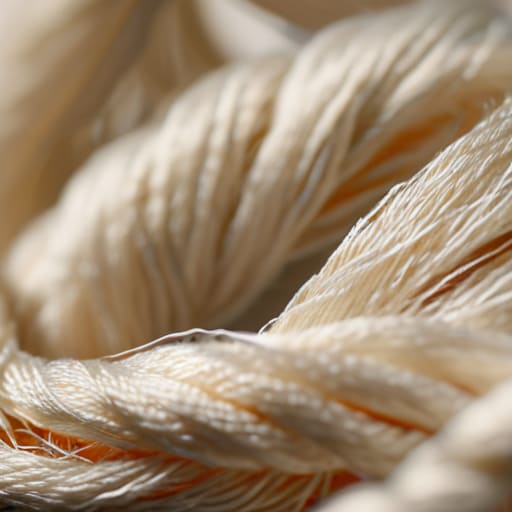
Combed cotton is a premium grade of fabric created through an intensive process of “combing” the raw fibers to remove short, weak strands and impurities. This mechanism ensures that only the longest, strongest fibers remain, resulting in a yarn that is significantly smoother and more uniform than its standard counterparts.
If you’ve ever pulled on a vintage band tee that felt like a second skin, you were likely feeling the difference of a high-quality combed blank. Because the short, prickly fibers have been stripped away, the fabric doesn’t just feel better—it actually holds its shape much longer through the wash cycle. I always tell my clients that if you want your prints to sit flat and your customers to actually wear your stuff more than twice, you have to pay the premium for combed cotton; it’s the difference between a garment that lasts and one that ends up in a landfill.
Comparison of Combed vs. Carded Cotton
| Feature | Combed Cotton | Carded Cotton |
|---|---|---|
| Processing Level | Highly refined (combed to remove short fibers) | Basic (carded to align fibers) |
| Fiber Length | Long, uniform fibers | Mixed short and long fibers |
| Texture | Smooth and silky | Slightly coarse or fuzzy |
| Durability | High (resists pilling) | Moderate (prone to pilling) |
| Price | Premium/Higher | Economical/Lower |
| Best For | Luxury apparel and fine linens | Casual wear and heavy-duty textiles |
Cotton Spinning Techniques That Save or Ruin Your Margin
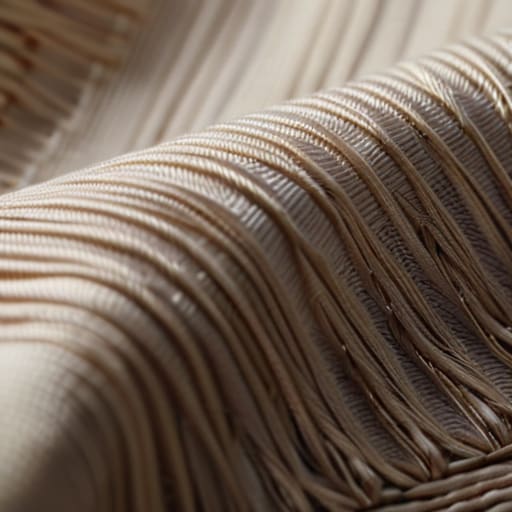
Here’s the thing: you can have the most killer graphic in the world, but if the base fabric is garbage, you’re just printing on a ticking time bomb. When we talk about spinning techniques, we aren’t just geeking out over fibers; we’re talking about the difference between a garment that becomes a vintage treasure and one that ends up in a landfill after a month. This is where your profit margins either stabilize or bleed out through customer returns.
Carded cotton is the industry’s go-to for “budget” runs because the process is fast and leaves more short fibers in the mix. It’s cheaper upfront, sure, but those extra fibers lead to fuzziness and pilling that make your brand look cheap almost instantly. Combed cotton, on the other hand, goes through an extra step to comb out those short, prickly bits, leaving only the long, smooth strands. It’s a higher initial cost, but it results in a much tighter, more consistent yarn.
If you’re playing the volume game with cheap promos, carded is your tool. But if you’re trying to build a brand that actually lasts, combed cotton is the only way to go.
Cotton Fiber Length Comparison Why Short Fibers Fail
If you aren’t looking at fiber length, you aren’t actually looking at the quality of the garment; you’re just looking at the color. In the whole combed versus carded debate, fiber length is the silent killer of longevity. It’s the difference between a shirt that feels broken-in after a month and one that starts looking like a fuzzy, neglected rag after a single wash cycle.
Carded cotton is essentially the “everything goes” approach. It uses shorter, irregular fibers that get tangled together during spinning. Because these little ends stick out from the yarn, they create that annoying pilling effect that makes even expensive-looking shirts look cheap. It’s fine if you’re making a one-off event tee, but it’s a disaster for anything meant to be worn regularly.
Combed cotton, on the other hand, is all about the cull. The process literally combs out those short, stubborn fibers, leaving only the long, continuous ones. This creates a much smoother, stronger yarn that resists fraying. When you use long-staple fibers, you get a surface that stays crisp and clean for much longer.
The Verdict: For fiber integrity, combed cotton wins by a landslide.
## The Bottom Line: Stop Buying Into the Hype
Don’t let a “100% Cotton” label fool you; if the spec sheet doesn’t mention combed cotton, you’re likely looking at a carded blank that’s going to pill, twist, and lose its shape before your customers even finish their first month of wear.
If you’re printing high-end graphics, you need combed cotton—the smoother surface isn’t just a luxury, it’s a functional necessity for ink adhesion and preventing that messy, uneven look that comes from uneven fiber distribution.
View the extra cost of combed cotton as an investment in your brand’s longevity rather than just a line item; it’s much cheaper to pay for better fibers upfront than it is to deal with the fallout of a customer base that thinks your brand is “disposable.”
Frequently Asked Questions
If I'm seeing a "premium" blank that's actually just carded cotton with a heavy wash to hide the texture, how am I supposed to spot that before I place a bulk order?
The “heavy wash” trick is a classic. They use enzyme washes or silicones to mask that scratchy, uneven carded texture, making it feel soft in your hands. To spot the lie, don’t just feel the surface; look at the structure. Check the seams and the hem—if the fabric looks slightly “fuzzy” or lacks a clean, crisp drape under tension, it’s likely short-staple carded cotton hiding behind a chemical bath. Always demand a raw, unwashed swatch first.
Is there a middle ground where I can get better quality than carded without the massive price jump of combed cotton, or is it really just a binary choice?
Honestly, it’s not a total binary, but you have to be careful. You’re looking for semi-combed cotton. It’s basically the middle child of the textile world—it’s had a light cleaning to get rid of the worst of the fuzz, but it hasn’t been through the full, expensive combing process. It’ll feel smoother than your standard carded scrap, but it won’t have that luxury, high-end drape. It’s a solid compromise if you’re balancing a budget against quality.
Does the choice between combed and carded actually affect how my screen prints or DTG transfers sit on the fabric, or is it purely about the feel of the garment?
It’s definitely not just about the handfeel. If you’re printing, the fabric structure is everything. Carded cotton has all those tiny, stray micro-fibers sticking up—think of them like little needles. When you lay a screen print or a DTG transfer over that, the ink hits those loose fibers, creating a fuzzy, uneven finish that looks cheap almost immediately. Combed cotton is smoother and more compact, meaning your print sits flat and stays crisp instead of getting swallowed by fuzz.