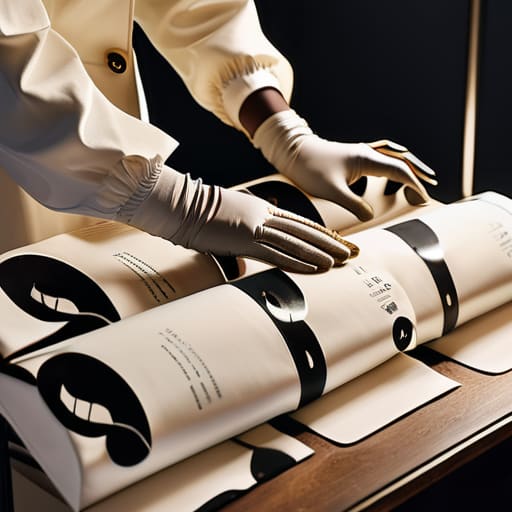
I was hunched over a communal cutting table last Tuesday, squinting at a 1996 Helmut Lang piece I’d finally tracked down, when I realized I wasn’t even looking at the silhouette anymore. I was obsessed with the tension of the overlock stitch and the way the heavy-weight cotton felt against my palms. It hit me then that most people approaching archive fashion and collecting are just chasing a logo or a specific “era” because an influencer told them to. They’re paying premium prices for a name, while completely ignoring the fact that the garment is actually falling apart at the seams.
I’m not here to give you a shopping list of what’s “hot” on Grailed right now. Instead, I want to show you how to actually read a garment like a producer would. I’m going to pull back the curtain on what makes a piece worth the investment—from understanding fabric density to spotting the difference between authentic construction and a high-end reproduction. If you want to learn how to build a collection based on technical integrity rather than just market hype, you’re in the right place.
Evaluating Construction Over Trends in Vintage Designer Pieces
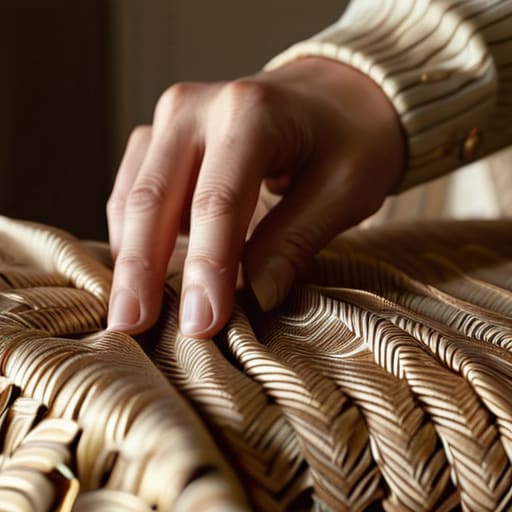
When I’m digging through a rack of vintage designer pieces, I’m not looking at the logo first—I’m looking at the hem. Most people get caught up in the dopamine hit of seeing a recognizable name, but if you want to actually build a collection that holds its value, you have to look past the branding. I always turn a piece inside out immediately. I want to see if the French seams are actually clean or if the overlocking is messy and cheap. A piece might have “runway” history, but if the stitch density is low and the fabric feels thin, it’s just a glorified piece of fast fashion with a high price tag.
Smart fashion investment strategies aren’t about chasing what’s blowing up on social media; they’re about technical longevity. I’ve seen plenty of items from major houses that fall apart after three washes because they prioritized silhouette over structural integrity. If you’re serious about curating a designer wardrobe, you need to treat every find like a piece of engineering. Check the weight of the cotton, the tension in the zippers, and the way the pattern pieces actually align. If the construction is sloppy, the “archive” status won’t save it from the landfill.
The Real Cost of Skipping Rigorous Garment Authentication
Look, I’ve seen people drop a month’s rent on a piece that looks incredible in a grainy Instagram photo, only to realize three days later that the stitching is a disaster and the label is a dead giveaway. Skipping rigorous garment authentication isn’t just a minor mistake; it’s a massive dent in your long-term fashion investment strategies. When you’re hunting through runway archives, you aren’t just buying a look—you’re buying the technical DNA of a specific era. If that DNA is fake, you’ve essentially paid a premium for high-quality landfill.
The real sting isn’t just the lost cash, though. It’s the loss of integrity in your collection. If you’re trying to build a serious wardrobe, one or two “super-fakes” can muddy the waters of your entire curation. I always tell people: stop looking at the logo first. If the weight of the cotton feels off or the hardware lacks that specific heft, walk away. In the current resale market, the difference between a grail and a glorified costume is often found in the smallest, most overlooked details of construction.
Stop Chasing the Hype: 5 Ways to Actually Build an Archive
- Get your hands on the inside. I’m serious. Before you drop hundreds on a piece because some influencer tagged it, turn it inside out. If the seam allowances are raw, uneven, or just plain messy, it’s not “archive quality”—it’s just old. You want to see tight, consistent stitching that can actually hold up for another twenty years.
- Learn to read the care labels like a pro. The fabric composition tells you more about a garment’s longevity than any brand name ever will. If you’re looking at a “vintage” piece that’s actually just a high-poly blend of cheap synthetics, you’re paying a premium for nothing. Look for heavy cottons, stable wools, and natural fibers that age with character rather than pilling into oblivion.
- Don’t trust the “distressed” look at face value. There is a massive difference between a garment that has developed a beautiful, natural patina through years of wear and a piece that’s been artificially beaten up by a factory. Check the tension in the weave; if the “wear” looks too uniform, it’s probably just cheap marketing playing on your nostalgia.
- Weight is your best friend. I spend half my life thinking about GSM (grams per square meter), and you should too. When you’re sourcing, feel the heft. A high-quality archive piece usually has a certain density to it. If a heavy-duty jacket feels flimsy or “papery” in your hands, walk away. The weight usually reflects the quality of the construction and the durability of the textile.
- Hardware is a dead giveaway. Check the zippers, the buttons, and the rivets. Are they heavy-duty metal or some lightweight plastic masquerading as luxury? In real archive-grade clothing, the hardware is an integral part of the engineering, not an afterthought. If the zipper feels like it’s going to snag on its first run, that piece isn’t going to survive your rotation.
The Bottom Line: How to Actually Build a Collection
Stop chasing the logo; start feeling the weight of the fabric and checking the stitch density, because a heavy GSM and clean seam allowances are what actually survive a decade of wear.
Treat authentication like a technical inspection, not a vibe check—if the hardware feels cheap or the label stitching looks rushed, walk away, no matter how much “hype” is attached to the name.
Build for longevity over hype by prioritizing construction integrity, ensuring you’re investing in actual textile history rather than just paying a premium for a marketing cycle.
Frequently Asked Questions
How do I actually tell the difference between a high-quality vintage blank and a modern reproduction that's just trying to look old?
Stop looking at the graphic and start feeling the weight. Modern reproductions usually use a lightweight, thin jersey that feels “soft” because it’s chemically treated or blended with too much polyester. A real vintage blank has substance; look for a higher GSM and that slightly crunchy, dense hand-feel. Turn it inside out—check the stitching. If the seams are overlocked with flimsy, thin thread, it’s a modern imitation. Real vintage is built to survive.
If I'm looking at a piece from a major designer, what specific stitch details or seam finishes should I be checking to make sure it's not a high-end fake?
Flip it inside out—seriously, that’s where the truth lives. Look at the seam allowance. A real designer piece will have clean, finished edges, usually with a tight serger or even French seams, not those messy, loose threads that unravel if you breathe on them. Check the stitch density too; if the stitches are long and uneven, it’s a red flag. High-end construction means tight, consistent SPI (stitches per inch). If it looks rushed, it probably is.
Is it even worth investing in certain archive pieces if the fabric degradation is already starting, or am I just buying a future rag?
Look, I’ll be real: if the fibers are actually snapping, you’re just buying an expensive rag. But there’s a massive difference between “character” and structural failure. I’m talking about checking the tension in the seams and the integrity of the weave. If the fabric is thinning to the point where a heavy wash will disintegrate it, walk away. Invest in the pieces where the construction can actually handle a little bit of life.