
I still remember the first time I tried working with manufacturers for a small drop of heavyweight hoodies. I had spent weeks obsessing over mood boards and “aesthetic” references, only to receive a sample that felt like wearing a recycled paper bag. The salesperson kept talking about “premium streetwear vibes,” but when I turned the garment inside out—my default setting, honestly—the overlock stitching was a total disaster and the neck ribbing was already losing its shape. It was a massive, expensive lesson in why you can’t let marketing fluff substitute for actual technical specs.
If you’re tired of being sold a dream by people who couldn’t tell a French seam from a hole in the ground, you’re in the right place. I’m not here to give you a polished, corporate guide on how to sound professional; I’m here to tell you how to actually vet a factory so you don’t get burned. We are going to skip the hype and get into the uncomfortable realities of tech packs, minimum order quantities, and why you need to start asking about GSM before you even send a single email.
Sourcing Reliable Suppliers Over Flashy Lookbooks
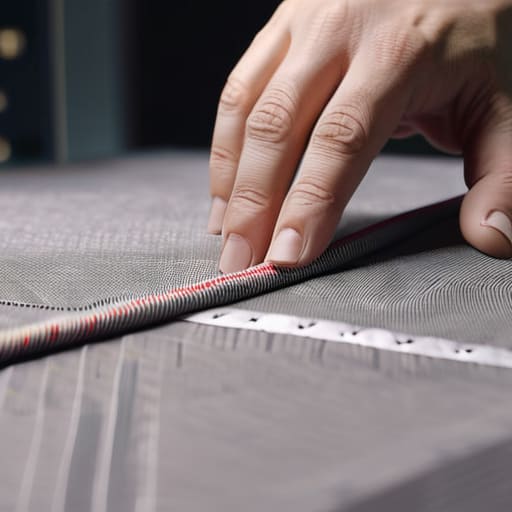
Look, I’ve seen it a thousand times: a brand sends over a lookbook that looks like a high-fashion dream, all moody lighting and perfect models, but when the samples arrive, the fabric feels like a cheap dishcloth. A glossy PDF is easy to make; a consistent stitch line is not. When you’re sourcing reliable suppliers, you have to stop looking at the aesthetic and start looking at the technical specs. If a factory can’t immediately pivot from showing you finished garments to discussing their actual quality control standards, they are likely just middlemen playing dress-up with someone else’s production line.
You need to dig into the grit of their vendor onboarding process before you ever commit to a bulk run. Ask them about their fabric mill connections and how they handle deviations in GSM. I’ve learned the hard way that a “premium” label means nothing if the supplier doesn’t have a rigid system for catching errors mid-run. Don’t get blinded by the hype of a beautiful portfolio; focus on the people who are willing to talk shop about tension settings and dye lots instead of just showing you a mood board.
Why Quality Control Standards Outweigh Aesthetic Promises
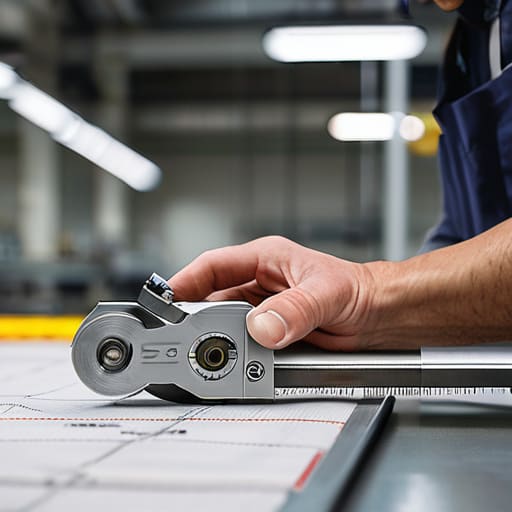
Look, I’ve seen it a hundred times: a brand lands a supplier because their studio looks like a Pinterest board and their samples look “vibey” in a photoshoot. But a pretty sample is just a lie if it isn’t repeatable. When you’re actually building a brand, you need to stop obsessing over the mood board and start drilling into their quality control standards. If a factory can’t show you a documented way they check for stitching tension or fabric shrinkage between batches, you aren’t building a business; you’re just gambling on a lucky roll of the dice.
This is where most people trip up during the vendor onboarding process. They get so caught up in the aesthetic promise that they forget to ask the boring, gritty questions about how errors are logged and how they handle deviations. I’ve lost way too many hours—and way too much money—on batches that arrived looking great on paper but felt like sandpaper because the GSM wasn’t consistent. Don’t let a beautiful lookbook distract you from the reality of the technical specs; if the math doesn’t hold up, the clothes won’t either.
The Stuff They Won't Put in the Sales Pitch

- Demand a physical swatch of the fabric before you even talk about quantities. A digital photo of a “heavyweight cotton” means nothing; I need to feel the hand-feel and check the grain to see if it’s actually going to hold its shape after three washes.
- Stop asking about “minimums” and start asking about “lead times for reorders.” Anyone can make you 50 shirts once, but if you hit a viral moment and your manufacturer takes six months to restock a basic blank, you’re dead in the water.
- Get obsessed with the tech pack, not just the mood board. If you can’t tell a factory exactly where you want your seam allowance or how much shrinkage you’re accounting for, they’re going to make their best guess—and their guess will cost you your entire margin.
- Insist on a pre-production sample (PPS) that is identical to the final run. Don’t let them tell you “it’ll be fine” or “the bulk will look better.” If the PPS has wonky stitching or uneven dye, the whole shipment is going to be a nightmare.
- Learn to speak the language of GSM. When a supplier says their tees are “premium,” ask for the specific grams per square meter. If they can’t give you a number, they’re just selling you hype, not high-quality textiles.
The Real Bottom Line: What Actually Matters
Stop getting distracted by high-res lookbooks; if a supplier can’t give you a straight answer on GSM or fabric composition, they’re just selling you a vibe, not a garment.
Quality control isn’t a “nice to have”—it’s your only defense against a massive stack of wasted blanks and a reputation for clothes that fall apart after two washes.
Prioritize technical transparency over marketing hype, because at the end of the day, your brand is built on the integrity of your seams, not your Instagram aesthetic.
Frequently Asked Questions
How do I actually verify if their "100% cotton" claim is real or just cheap polyester blends before I commit to a bulk order?
Don’t just take their word for it—nobody’s going to volunteer the truth if a blend makes them more money. Ask for a technical spec sheet or a composition certificate. If they hesitate, that’s your red flag. Honestly? The best way is to order a sample first. Do the “burn test” if you have to: real cotton turns to ash and smells like burning paper, while polyester melts into a hard, plastic bead.
What’s the best way to communicate my specific seam allowance and construction requirements so they don't just default to the cheapest possible stitch?
Stop sending vague emails and start sending a tech pack with actual measurements. If you just say “high quality,” they’re going to give you the cheapest overlock stitch they can find. I need to see exact seam allowance specs—like 1cm or 1.5cm—and specific stitch types (like flatlock or twin-needle) written right on the technical drawings. If it’s not in the spec sheet, it doesn’t exist. Don’t let them guess; they’ll guess wrong every time.
Is it worth paying for a professional tech pack, or can I just send them my sketches and hope for the best?
Look, I’ve seen people try to “sketch and pray,” and it always ends in a pile of expensive, unwearable fabric. If you just send a drawing, the factory is going to make a lot of assumptions—usually the wrong ones. A professional tech pack is basically the only way to ensure your seam allowances and grading are actually right. It’s an upfront cost, yeah, but it’s way cheaper than paying for a hundred samples that don’t fit.