I remember sitting on a milk crate in my first shared studio, surrounded by the overwhelming smell of plastisol ink and half-finished screen prints, staring at a blank notebook. I was convinced that naming a clothing brand required some sort of profound, avant-garde concept that would make me the next big thing in streetwear. I spent three weeks obsessing over syllables and “vibes,” only to realize I was just procrastinating on the actual hard work of pattern cutting and sourcing decent blanks. Most people will tell you that your name needs to be a “lifestyle statement” or a masterclass in brand positioning, but honestly? That’s just marketing fluff designed to make you spend money you don’t have on a logo you don’t need.
I’m not here to give you a list of “aesthetic” words to pull from a generator. Instead, I want to talk about how to pick a name that actually survives the reality of production. We’re going to look at how a name sits on a woven neck label and whether it actually matches the weight of the fabric you’re working with. I’ll help you find something that feels as solid as a high-GSM heavy cotton tee, without the unnecessary hype.
Why Brand Name Psychology for Apparel Outlasts Every Fad
Look, I’ve seen so many “drop” culture brands pop up with names that sound like a random word generator vomited on a mood board. They pick something that feels “aesthetic” for a Tuesday in October, only to realize six months later that the name has zero staying power. When you’re deep into brand name psychology for apparel, you realize a name shouldn’t just be a vibe; it needs to be a container for the actual work you’re doing. If you’re spending extra money on heavy-duty French terry and reinforced stitching, a name that sounds like a disposable fast-fashion site is going to create this massive cognitive dissonance for your customers.
The goal is to build something that survives the hype cycle. Instead of chasing whatever syllable is currently trending on TikTok, focus on how the name feels when it’s actually on a woven neck label. A name that carries weight helps with the long-term process of fashion brand identity creation, because it gives you a foundation to build on rather than a gimmick you have to outgrow. You want a name that makes sense whether you’re selling a $15 graphic tee or a $200 structured jacket.
Fashion Brand Identity Creation Beyond the Surface Level
Look, a logo might look cool on a woven neck label, but fashion brand identity creation is about so much more than just a clean typeface. I’ve seen too many people spend weeks obsessing over a color palette only to realize their “vibe” has zero substance when they actually look at the construction of their garments. If your name promises high-end craftsmanship but your samples arrive with uneven hem allowances and scratchy poly-blends, your identity is a lie. You have to build that connection between the name and the tactile reality of the clothes.
This is also where the boring, necessary stuff kicks in. Before you get too attached to a poetic word or a weirdly spelled noun, you need to check your clothing line name availability. There is nothing more soul-crushing than finally finding “the one” only to realize you’re going to spend your entire first year of profit on legal fees for trademarking a fashion label. It’s not glamorous, and it definitely doesn’t trend on TikTok, but it’s the difference between building a real business and just playing dress-up.
Stop Naming for the Algorithm and Start Naming for the Garment
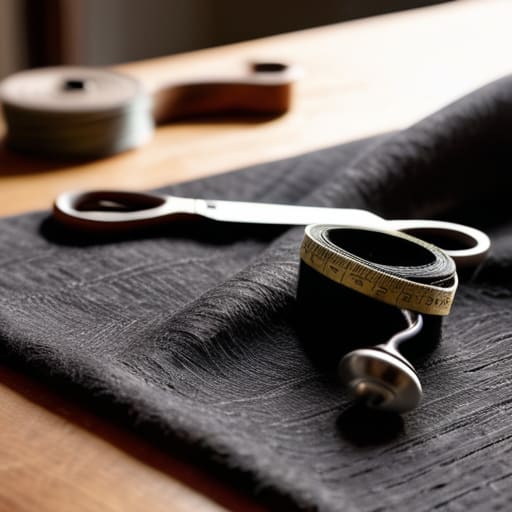
- Don’t pick a name that sounds “aesthetic” if it doesn’t match the weight of your fabric. If you’re naming your brand something airy and ethereal but you’re actually dropping heavy 400 GSM hoodies, you’re creating a cognitive dissonance that’ll confuse your customers before they even see the first stitch.
- Test the name against the “inside-out” rule. I always flip my garments to check the construction, and you should do the same with your brand name. Does the name still hold up when you strip away the Instagram filters and the hype? If the name relies entirely on a specific visual trend to make sense, it’s going to age like milk.
- Say it out loud while you’re working. You’re going to be shouting this name in a loud studio or typing it into spec sheets a thousand times. If it’s a mouthful of abstract syllables that no one can spell or pronounce correctly, you’re just adding unnecessary friction to your own production process.
- Check the “blank” potential. Just like you wouldn’t build a high-end print on a cheap, scratchy promotional tee, don’t build a brand name on a hollow concept. Ensure the name has enough substance to grow from a single t-shirt drop into a full collection without feeling like it’s wearing a costume.
- Avoid the “Trend Trap” naming convention. Every few years, there’s a new way to name a brand—all lowercase, all caps, or using random nouns. If you pick a name just because it fits the current “vibe” of streetwear, you’re going to be rebranding in eighteen months when the cycle shifts. Aim for something that feels as permanent as a well-placed reinforced seam.
The Real Stuff: What to Keep in Mind Before You Finalize the Name
Don’t pick a name that promises luxury if you’re planning on using cheap, low-GSM blanks; the cognitive dissonance will kill your brand’s credibility faster than a bad print job.
Aim for a name that feels as durable as a double-needle stitch—something that won’t feel dated or “cringe” the second the next micro-trend cycles out of relevance.
Make sure your identity isn’t just a vibe; your name needs to act as a container for the actual craft and construction you’re putting into every garment.
Frequently Asked Questions
If I pick a name that sounds high-end, am I going to get stuck trying to source luxury fabrics just to keep up with the vibe?
Oh, absolutely. This is exactly how people trap themselves. If you name your brand something that sounds like it belongs on a marble storefront in Milan, but you’re actually printing on 150 GSM single-jersey blanks, the cognitive dissonance is going to kill your credibility. You’ll end up chasing silk blends and heavyweights just to match the “vibe,” which kills your margins. Pick a name that reflects the actual weight and texture of what you’re making.
How do I know if a name is actually "brandable" or if I'm just picking something that sounds cool on a mood board but looks weird on a neck label?
The easiest way to tell? Stop looking at your Pinterest board and actually mock up a neck label. I’ve seen so many “aesthetic” names that look great in a serif font on a mood board but become an unreadable, cluttered mess when you try to screen print them onto a tiny woven tag. If the name is too long or the letters are too spindly to survive a heat press or a tiny label, it’s not a brand name—it’s just a vibe.
Does the name really matter if the garment construction is solid, or is it all just marketing smoke and mirrors?
Look, I get why you’re asking. If the stitching is tight and the heavy-weight cotton feels right, who cares what the tag says, right? But here’s the thing: a name is the handshake before the garment even touches your skin. If your name screams “fast fashion” but you’re selling 400 GSM organic loopback fleece, you’re creating friction. The name sets the expectation; the construction has to actually meet it.