
I was hunched over a heat press in a cramped, humid studio last Tuesday, staring at a batch of “streetwear” blanks that cost me a fortune but felt like recycled paper. It’s the same frustration I get every time I see a brand try to sell the idea of hip hop influence on clothing by just slapping a massive logo on a flimsy, thin-gauge cotton tee. Everyone wants to talk about the aesthetic or the celebrity endorsements, but nobody wants to talk about why that oversized silhouette actually holds its shape or why a certain heavy-weight fleece matters. If you’re just chasing a look without understanding the construction, you’re not participating in a culture; you’re just buying into expensive marketing fluff.
I’m not here to tell you what’s going to be trending on TikTok next week. Instead, I want to pull back the curtain on the actual craft that defines this movement. We’re going to look past the hype and talk about the real mechanics—from the importance of GSM in a perfect hoodie to how stitch density affects the longevity of a graphic. My goal is to help you recognize the difference between a piece that’s built to last and one that’s designed to fall apart after three washes.
Streetwear Evolution and Hip Hop From Concrete to Construction
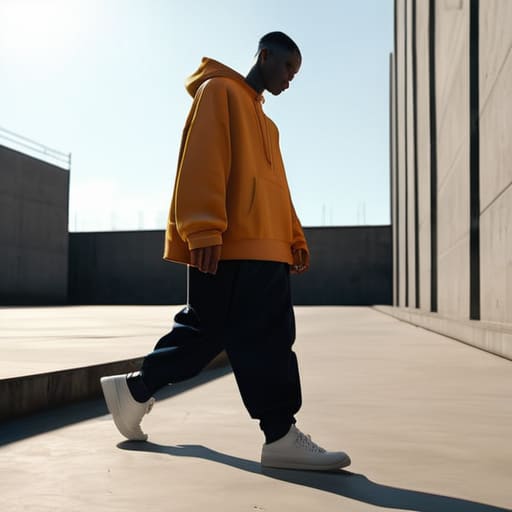
When people talk about the streetwear evolution and hip hop, they usually focus on the logos, but I’m looking at the silhouette. In the early days, it wasn’t about being “fashionable” in a traditional sense; it was about utility and presence. If you were out in the city, you needed clothes that could actually move with you. We saw this shift from the oversized, baggy aesthetics of the 90s—where the sheer volume of fabric was a statement of space—to a more curated look. It wasn’t just about wearing something big; it was about the weight and drape of the garment.
The real magic happened when the community stopped waiting for permission from high-fashion houses and started defining their own standards. You see it in the way certain silhouettes became iconic not because a designer said so, but because they worked for the lifestyle. We moved from DIY custom pieces to a world where luxury brands and hip hop culture eventually collided, though I’ll be honest: sometimes the soul gets lost in that translation. I’m more interested in how a heavy-duty canvas jacket or a perfectly structured hoodie tells the story of where we actually came from.
Why 90s Hip Hop Fashion Trends Demand Better Fabric
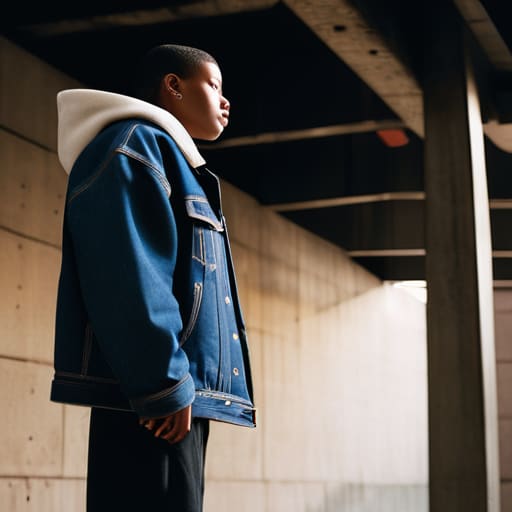
If you look at the archives of 90s hip hop fashion trends, you aren’t just looking at oversized silhouettes; you’re looking at a specific kind of structural defiance. Back then, the clothes had to have weight. Whether it was a heavy denim jacket or a massive, boxy jersey, the fabric had to stand on its own. Today, a lot of brands try to mimic that aesthetic using thin, cheap polyester blends that just drape limp against the body. It’s a cheap imitation of the original urban culture and apparel that actually felt substantial.
When I’m sourcing blanks for my own small runs, I’m constantly checking the GSM because I know that “baggy” shouldn’t mean “flimsy.” If you want that authentic vintage look, you need a high-density cotton that can actually hold a shape. A flimsy, lightweight tee will never give you that structured, architectural vibe that made the 90s era so iconic. To really respect the history of hip hop style, we need to stop settling for fast-fashion versions of these pieces and start demanding the heavyweight construction that the culture was built on.
Stop Chasing the Look and Start Checking the Specs
- Look past the oversized silhouette and check the GSM. A lot of modern “streetwear” brands just sell massive, thin, cheap cotton that drapes like a wet paper towel; if you want that authentic 90s structure, you need a heavy-weight fleece or jersey that actually has some weight to it.
- Prioritize reinforced stitching over loud logos. The real legends in hip hop culture wore clothes that survived the street, so if you’re buying a piece that looks cool but has single-needle stitching on a high-stress seam, it’s going to fall apart by next season.
- Don’t get fooled by “distressed” marketing. There is a massive difference between a garment that has aged naturally through wear and one that’s been chemically shredded in a factory; aim for high-quality blanks that you can actually wear for years, not just pieces designed to look old immediately.
- Pay attention to the shoulder construction. A lot of the baggy aesthetic relies on a dropped shoulder, but if the seam isn’t reinforced, the whole garment will lose its shape and start looking sloppy rather than intentional after a few washes.
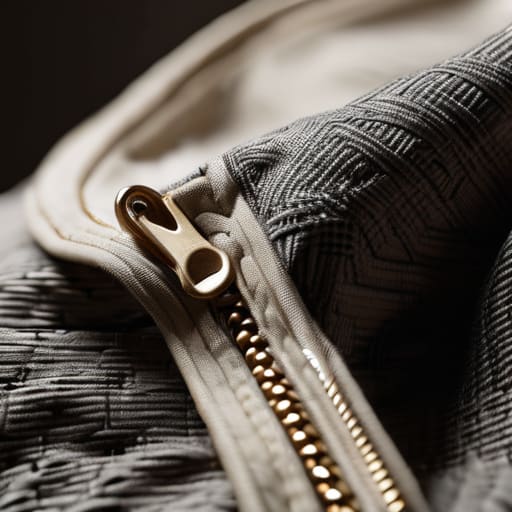
- Invest in hardware that actually works. Whether it’s a heavy-duty zipper on a hoodie or metal eyelets on a graphic tee, cheap plastic components are a dead giveaway of a brand that cares more about the hype cycle than the actual craft of garment making.
The Real Blueprint: What to Look For
Stop chasing the “look” and start checking the labels; true hip hop style was built on oversized, heavy-duty silhouettes that require high GSM cotton to actually hold that shape.
Don’t let a brand’s hype distract you from poor construction—if the seam allowance is non-existent or the stitching is flimsy, that “streetwear” piece won’t survive a single season of real wear.
Respect the history by investing in quality over trends; the 90s aesthetic was rooted in durability and utility, so look for garments that prioritize structural integrity over fast-fashion aesthetics.
Frequently Asked Questions
How can I actually tell if a "heavyweight" streetwear brand is using real high-GSM cotton or just marketing fluff?
Look, “heavyweight” is the easiest lie in the industry to tell. If a brand won’t list the actual GSM (grams per square meter), that’s your first red flag. I always turn a garment inside out first—it’s a habit—to check the knit density. If the interior looks patchy or thin despite a heavy feel, they’re likely using a cheap, high-twist yarn to fake the weight. Real quality feels substantial and consistent, not just bulky.
If I'm trying to recreate that authentic 90s silhouette, should I be looking at specific seam constructions or just oversized sizing?
Honestly, if you’re just buying two sizes up, you’re going to look like you’re drowning, not like you’re wearing 90s streetwear. That’s not the silhouette; that’s just bad scaling. To get it right, you need to look at the construction. I’m talking dropped shoulders that actually follow the armscye and heavy-duty side seams that hold a straight line. It’s about the drape of a heavy GSM fabric, not just chasing a baggy label.
Is it actually possible to find vintage-feel blanks that won't fall apart after a few cycles in a standard wash?
Look, it’s absolutely possible, but you have to stop looking at the “vintage” label and start looking at the spec sheet. Most brands use “vintage-feel” as code for “thin and flimsy.” If you want that lived-in softness without the structural collapse, hunt for high-GSM organic cotton with a tight knit. You want a heavy weight that’s been enzyme-washed—it gives you that soft hand-feel while the dense fibers actually hold their shape.