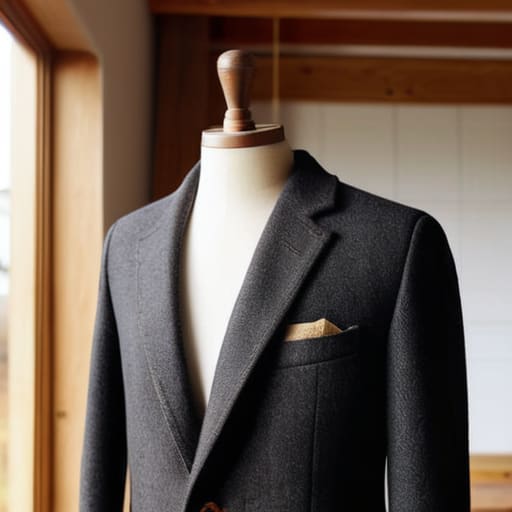
I was standing in my shared studio last Tuesday, staring at a pile of “premium” heavyweight hoodies that had just been returned because the overlock stitching on the hem had completely unraveled after a single wash. It’s the same cycle I see everywhere: brands using fancy buzzwords to distract you from the fact that their construction is absolute garbage. People love to throw around the term cost per wear as a measure like it’s some magical math equation that justifies buying a $150 designer tee, but they’re ignoring the most important variable: durability. If that “investment piece” loses its shape the moment it hits a laundry cycle, your math isn’t just wrong—it’s a lie.
I’m not here to give you a lecture on high-fashion trends or tell you which logo is currently “in.” Instead, I want to pull back the curtain on what actually makes a garment worth your hard-earned money. I’m going to show you how to look past the marketing fluff and actually evaluate construction quality—from GSM to seam allowance—so you can stop wasting cash on clothes that are designed to fail.
Why Quality vs Quantity Clothing Wins Every Single Time
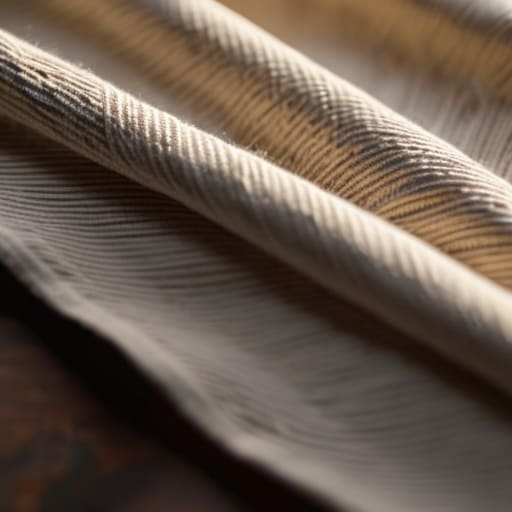
Look, I get the rush of a massive haul, but there is a massive difference between building a wardrobe and just accumulating fabric waste. When you opt for quality vs quantity clothing, you aren’t just being “aesthetic”—you’re actually making a logical decision for your bank account. I’ve spent way too many hours in the studio seeing how cheap, single-stitch hems and thin, low-GSM jerseys lose their shape after a single wash cycle. When a garment loses its structure that fast, it’s not an asset; it’s just expensive trash that ends up in a landfill.
Investing in pieces with reinforced seams and decent weight is a genuine sustainable fashion investment. It sounds lofty, but it’s really just about clothing durability metrics like how a fabric holds its tension or how a collar resists rolling. If I buy one heavy-duty, well-constructed hoodie that lasts me four years instead of five flimsy ones that pill after a month, I’ve won. You end up with a tighter rotation of clothes you actually want to wear, rather than a closet full of stuff that looks tired.
The Real Math Calculating Cost Per Wear Formula for Longevity
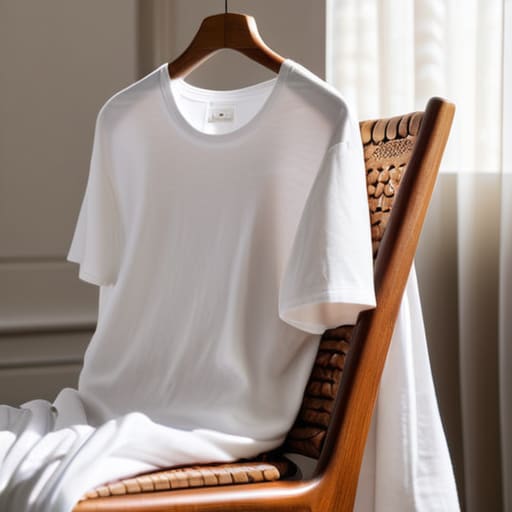
Look, I know math isn’t exactly the vibe when you’re scrolling through a sale, but if you want to stop bleeding money, you need to treat your closet like an investment. The actual calculating cost per wear formula is dead simple: take the total price of the garment and divide it by how many times you’ll actually wear it before it loses its shape or develops those annoying little holes. If you drop $60 on a fast-fashion tee that shrinks into a crop top after two washes, you’re paying $30 a wear. That’s a scam.
On the flip side, if I spend $80 on a heavy-duty, high-GSM hoodie with reinforced stitching, I’m going to wear that thing three hundred times minimum. Suddenly, that “expensive” piece is only about 26 cents per use. This is the core of a proper wardrobe value assessment; you aren’t just buying a look, you’re buying longevity. Stop looking at the number on the tag and start looking at the construction. If the seams are puckering and the fabric feels thin, that math is never going to work in your favor.
How to actually spot a high-value garment before you tap 'buy'
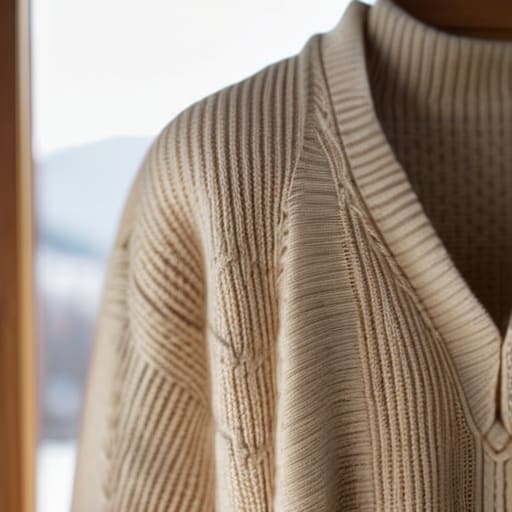
- Stop obsessing over the price tag and start checking the GSM. A heavy, high-grammage cotton tee might cost twenty bucks more upfront, but it’s not going to turn into a shapeless rag after one cycle in the wash like those ultra-thin, cheap blanks.
- Flip the garment inside out. I do it with everything I produce, and you should too. If the seams are raw, fraying, or just messy, that piece isn’t going to survive the long haul, no matter how cool the graphic looks on the front.
- Look for reinforced construction in the high-stress zones. If a hoodie doesn’t have reinforced stitching at the armholes or a sturdy ribbing on the cuffs, it’s basically a ticking time bomb for holes. That’s a fast track to a terrible cost-per-wear ratio.
- Prioritize versatile silhouettes over hyper-specific trends. A classic, well-cut heavy jersey sweatshirt will get worn three times a week for years, whereas a “micro-trend” piece with a weirdly specific cut will likely sit in your closet gathering dust by next season.
- Check the fabric composition for actual durability. “Soft touch” is often just marketing speak for a high percentage of cheap synthetics that pill almost immediately. Stick to natural fibers or high-quality blends that actually hold their structure through repeated wear.
The Cheat Sheet for Not Getting Ripped Off
Stop looking at the sticker price and start looking at the construction; a $40 heavy-weight GSM tee that survives fifty washes is objectively cheaper than a $15 fast-fashion top that shrinks into a crop top after one cycle.
Use the math to silence the hype—if a garment’s “cost per wear” is higher than a piece you actually love and wear weekly, it’s just expensive landfill waiting to happen.
Prioritize the details that actually matter for longevity, like reinforced seam allowances and fabric density, because those are the things that determine if a piece stays in your rotation or ends up in the bin.
Frequently Asked Questions
If a piece is built to last but I only wear it for a specific event or a single season, does the cost per wear math actually break down?
Look, I get it. If you drop eighty bucks on a heavy-weight, double-stitched hoodie just for one festival weekend, the math looks terrible on paper. But here’s the thing: I don’t just look at the immediate math; I look at the “shelf life” of the garment. A cheap, flimsy piece might have a lower initial cost, but it’ll lose its shape by next season. A well-made piece stays in your rotation forever, even if it’s just for specific vibes.
How can I tell if a garment is actually high-quality construction or if it’s just heavy GSM used to mask cheap stitching?
Look, heavy fabric is a common mask. I see it all the time: a brand slaps a 300 GSM label on a shirt to make it feel “premium,” but the construction is absolute trash. Flip it inside out—that’s my rule. Check the seams. Are they straight and tight, or is there wavy, puckered stitching? If the thread is thin or the overlock is loose, that heavy fabric won’t save it from falling apart.
Is it even possible to calculate cost per wear for things like basics—like a perfect white tee—that I'll probably wear every single week?
Honestly, it’s actually easier with basics because the math is so predictable. If you’re buying a “perfect” white tee, you aren’t just buying a shirt; you’re buying a uniform. If that high-GSM heavy cotton tee costs $40 and you wear it once a week for a year, that’s about 75 cents a wear. Compare that to a $15 fast-fashion rag that loses its shape after three washes, and the “cheap” option is actually a scam.