
I still remember the exact moment I realized the “exclusivity” tag was a total scam. I was hunched over a squeegee in a cramped, humid shared studio, staring at a pile of “limited edition” tees that felt more like sandpaper than actual fabric. Everyone was talking about the prestige of small batch production, but all I could see was brands using the term as a convenient mask for mediocre construction and thin, cheap blanks. They’ll tell you it’s about “curating a community,” but if your seam allowance is non-existent and your fabric pilled after one wash, you aren’t building a community—you’re just selling landfill fodder.
I’m not here to give you a masterclass in brand storytelling or how to manipulate the algorithm. I want to talk about what actually happens when the lights go down in the factory. I’m going to pull back the curtain on the real mechanics of small batch production, focusing on the stuff that actually matters: finding heavy-weight GSM fabrics that hold their shape and ensuring your technical specs don’t leave your customers with a pile of rags. We’re going to talk about actual craft, not just marketing.
Why Low Volume Manufacturing Benefits Outweigh Trendy Fabric Fluff
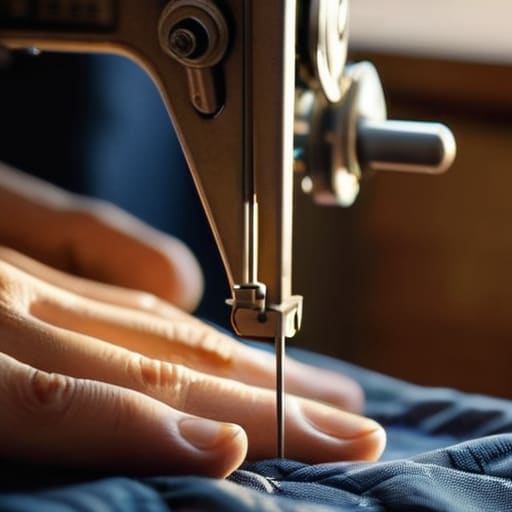
Look, I see these brands dropping “limited edition” collections every two weeks, using all the right buzzwords to make you think they’re being exclusive. Most of the time, it’s just a smokescreen for mediocre construction. When you actually look at the low volume manufacturing benefits, it’s not about exclusivity—it’s about the ability to actually fix a mistake before it becomes a thousand-unit disaster. If I notice a tension issue in the overlock stitch on my tenth shirt, I can fix it. If you’re running massive factory orders, that mistake is already sitting in a shipping container halfway across the world.
Instead of chasing every micro-trend that pops up on my feed, I’m more interested in agile production methods that let us iterate on the actual fit. It’s much more rewarding to spend time perfecting a heavy-weight French terry drape than it is to scramble for whatever “viral” polyester blend is currently cheap. We should be talking about how a tighter production loop allows for better quality control, not just how many units we can move before the next trend cycle hits.
Mastering Minimum Order Quantity Optimization to Protect Your Margin
Look, I’ve seen too many new labels sink themselves because they chased a low MOQ just to end up with a garage full of deadstock. They think they’re being “agile,” but if you’re ordering 50 units of a print that doesn’t actually move, you haven’t optimized anything—you’ve just bought yourself a very expensive lesson in inventory management. Real minimum order quantity optimization isn’t about finding the smallest number possible; it’s about finding the sweet spot where your unit cost doesn’t eat your entire profit margin.
If you want to actually scale, you have to stop viewing manufacturing scalability as a sprint to the biggest order. I always tell people to look at their math before they look at their mood boards. If you can utilize on-demand production models for your experimental pieces while keeping your core, heavy-weight essentials in slightly larger, more stable runs, you protect your cash flow. It’s about being smart with your capital so you can actually afford to fix a mistake when a sample inevitably comes back with a wonky neckline.
Stop Guessing and Start Measuring: 5 Ways to Actually Scale Small
- Prioritize GSM over “feel” because your customers can’t feel a fabric through a screen, but they can definitely feel a flimsy collar after one wash.
- Check your seam allowances before you commit to a run; if your factory is cutting corners on the inside, the garment is going to warp the second it hits a washing machine.
- Stop chasing every micro-trend and build a core capsule of heavy-weight blanks that actually hold their shape, so you aren’t stuck with deadstock of a “vibe” that died in three weeks.
- Treat your tech packs like they’re your lifeblood, because “close enough” is just a fancy way of saying you’re about to waste five hundred dollars on a sample that fits like a trash bag.
- Audit your hardware—don’t let a premium, heavy-weight cotton piece be ruined by a cheap, scratchy zipper that breaks before the first month is up.
The Real Cost of Cutting Corners
Stop chasing trends and start obsessing over the technical specs; a high GSM and proper seam allowance will do more for your brand’s longevity than any viral TikTok aesthetic ever could.
Use small batch production to protect your margins by prioritizing quality over quantity, ensuring you aren’t sitting on a mountain of deadstock just because you wanted to hit a bulk discount.
True brand value is built on the craft, not the hype—focus on mastering your production lifecycle so you can actually stand behind the construction of every single garment you ship.
Frequently Asked Questions
How do I actually find a factory that won't laugh at my low MOQs?
Look, stop looking for “factories” on Google and start looking for specialized studios. If you walk into a massive industrial plant asking for 50 hoodies, they’ll laugh you out of the building—and honestly, they have every right to. You need small-run ateliers or sample rooms that actually live for the craft. Ask them straight up about their minimums before you even mention your designs. If they sound annoyed by your low numbers, move on.
Is it even possible to maintain a decent profit margin if I'm not buying fabric by the massive roll?
Look, I get it. The math feels rigged when you’re looking at deadstock or smaller yardage prices versus those massive industrial rolls. But here’s the reality: a “cheap” roll is a trap if you end up sitting on 400 yards of fabric that doesn’t move. I’d much rather pay a slightly higher premium per meter for a high-quality, heavy GSM blank that actually sells, than go broke trying to chase a margin that disappears the moment you factor in deadstock waste.
At what point does "small batch" stop being a quality control win and start becoming a logistical nightmare for my shipping?
It’s a total nightmare when you’re juggling fifty different SKUs of the same heavy-weight hoodie just to keep “exclusivity” high. Once your small batches mean you’re packing ten different sizes and three colorways in tiny, separate shipments every single day, you aren’t a producer anymore—you’re just a glorified mail clerk. If your shipping logistics are eating your margins faster than a bad screen print eats a cheap blank, your batch size is too small.