
I was sitting in my studio last week, staring at a client’s Gore-Tex shell that had been absolutely butchered by a standard laundry cycle, and I just wanted to scream. People spend a small fortune on these high-performance layers, only to treat them like a pair of basic cotton hoodies. There is this massive, annoying misconception that if a jacket is “technical,” it’s somehow invincible, but the truth is that most people are accidentally killing their gear. When it comes to membrane jackets and washing, the marketing makes it sound like magic, but the reality is that you’re one wrong detergent away from stripping the entire waterproof layer and turning a premium piece of engineering into a very expensive, very damp rag.
I’m not here to give you some sanitized, corporate manual on garment care. I want to talk about what actually happens to the microscopic pores in that membrane when you hit them with heavy surfactants or high heat. I’m going to break down exactly how to clean your tech without wrecking the integrity of the fabric, because I’d much rather you spend your money on better gear than on a replacement for something you ruined in the wash.
Why Technical Apparel Maintenance Trumps Quick Fixes

Look, I’ve seen too many people drop three hundred bucks on a shell only to treat it like a basic hoodie. If you’re tossing a high-end technical piece into a hot cycle with your heavy-duty fabric softener, you aren’t just being lazy; you’re actively sabotaging the construction. Most of these pieces rely on a specific chemistry to work, and once you clog those pores with residue, that “high-performance” label becomes a joke. Real technical apparel maintenance isn’t about making things look shiny; it’s about preserving the actual function of the layers.
The biggest mistake I see is people ignoring the signs that their gear is failing. When water stops beading and starts soaking into the face fabric, that’s not a sign you need a new jacket—it’s a sign you need DWR coating restoration. It’s much cheaper to spend twenty minutes on a proper wash and a quick tumble dry to reactivate that finish than it is to replace a compromised membrane. Stop looking for the quick fix and start respecting the engineering.
The Hidden Danger of Choosing the Wrong Detergent
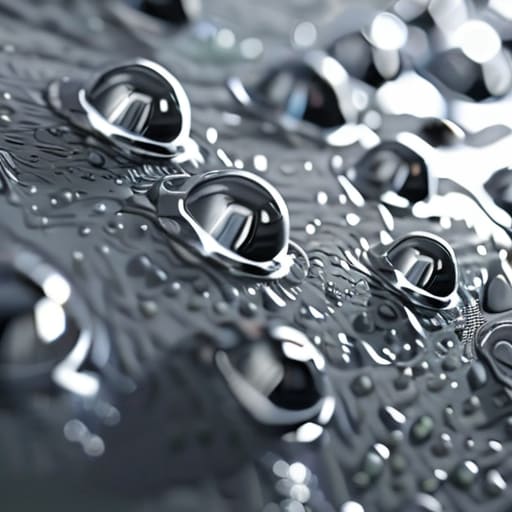
Look, I’ve seen so many people treat their high-end shells like they’re just another oversized hoodie, and it’s honestly painful to watch. The biggest mistake you can make is grabbing that standard grocery-store detergent—the stuff loaded with optical brighteners and heavy fragrances—and tossing it in the machine. Those additives are designed to cling to fibers to make them look “bright,” but in the world of technical apparel maintenance, that’s a death sentence. They leave behind a microscopic film that actually clogs the pores of the membrane, killing the very breathability you paid a premium for.
If you want to actually protect your investment, you need to be specific about the best detergent for outdoor gear. You’re looking for something technical and pH-neutral that focuses on removing oils from waterproof membranes without leaving any residue behind. When you use a standard soap, you aren’t just cleaning the fabric; you’re essentially sealing it shut with grime. If you don’t get the chemistry right here, no amount of expensive gear is going to save you from a soggy, suffocating mess the next time it pours.
How to actually wash your tech without killing the membrane

- For the love of everything, stop using fabric softener; it’s basically poison for technical shells because it coats the fibers and plugs up the very pores meant to let your sweat escape.
- Always check the care label for “washable” versus “dry clean only,” but even if it says machine washable, use a dedicated technical wash instead of your standard heavy-duty detergent to keep the DWR coating intact.
- Turn the jacket inside out before you toss it in—I know it sounds weird, but it protects the outer face fabric from unnecessary friction against the drum and other clothes.
- If your jacket starts looking dull or stops shedding water, don’t bin it; a quick tumble dry on low heat can actually reactivate the DWR (Durable Water Repellent) finish, provided the manufacturer says it’s safe.
- Skip the high-heat drying cycles and the heavy-duty agitation settings; you want a gentle cycle that treats the garment like the expensive piece of engineering it actually is, not a pair of old denim jeans.
The TL;DR on Not Killing Your Gear
Stop treating your technical shells like your old gym hoodies; if you toss a membrane jacket in with heavy detergents or fabric softeners, you’re basically paying to strip the waterproof coating right off the fabric.
Temperature is everything—high heat is the enemy of the adhesives and membranes that actually make these pieces functional, so keep the wash cool and the drying low.
If the water stops beading on the surface, don’t just assume the jacket is broken; it probably just needs a proper DWR re-application to get that technical performance back on track.
Frequently Asked Questions
Is it actually okay to use a dryer, or am I just going to melt the membrane?
The short answer? Don’t just toss it in. You won’t literally “melt” it into a puddle, but high heat is the fastest way to kill the membrane’s breathability. It can cause the microscopic pores to collapse or the adhesive layers to delaminate, turning your expensive tech shell into a glorified, non-breathable plastic bag. If the care label says tumble dry low, fine—but if you’re unsure, air dry it. Your wallet will thank you.
How often do I really need to wash these things if I'm not getting them soaked?
Look, I get it. You don’t want to strip the DWR coating every time you step outside. If you aren’t sweating through it or getting caught in a downpour, you don’t need to machine wash it every week. Honestly? Spot clean the grime and hang it up to air out. If it doesn’t smell and it isn’t visibly dirty, leave it alone. Over-washing is the fastest way to kill a good jacket’s performance.
If the waterproofing starts to fail, can I actually fix it myself with a spray, or is the jacket basically dead?
Honestly, it’s usually not dead, but don’t expect a miracle. If the water is just starting to soak through the fabric rather than the seams, a good DWR spray-on treatment can definitely bring it back to life. It’s basically just refreshing the “shield” on the surface. But if the actual membrane inside is peeling or delaminating? That’s a structural fail. At that point, no amount of spray is going to save you.