
I was sitting in my studio last Tuesday, surrounded by a mountain of half-finished samples and some seriously questionable vintage finds, when I saw another “circularity” campaign pop up on my feed. It’s always the same: a glossy, high-budget video promising that dropping your old rags into a branded bin is the ultimate fix for the planet. Honestly, most of these take back schemes feel like nothing more than a sophisticated way to make you feel better about buying more stuff. I’ve spent enough time staring at the construction of cheap blanks to know that you can’t just recycle your way out of a culture built on planned obsolescence and flimsy stitching.
I’m not here to sell you on the marketing fluff or give you a lecture on corporate social responsibility. Instead, I want to pull back the curtain on what actually happens when those clothes leave your hands. I’m going to break down the real mechanics of these programs—from the actual textile recovery rates to why the quality of the original garment determines if it’s actually being reused or just destined for a landfill. We’re going to look past the greenwashing and talk about what genuine circularity actually looks like from a producer’s perspective.
Circular Economy Principles Over Marketing Fluff
Look, I’ve seen enough “green” collections to know that a brand slapping a recycling symbol on a hangtag doesn’t make them sustainable. A lot of these programs are just clever ways to get you to buy more stuff by making you feel less guilty about what you’re tossing. If a company isn’t actually following true circular economy principles, they’re just running a glorified donation bin that ends up in a landfill anyway. You have to look past the glossy campaign and ask: is this design actually built to be disassembled, or is it just more blended fiber junk that’s impossible to recycle?
Real change happens when we move toward actual extended producer responsibility. This means the people making the clothes—the ones who profit from the volume—need to be the ones figuring out the end-of-life logistics. It’s not enough to just offer a drop-off point; we need robust resource recovery systems that actually account for the garment’s construction. If they aren’t looking at the seam allowances or the fiber composition to see if it can even be processed, then they aren’t solving the problem, they’re just managing their PR.
The High Cost of Poor Waste Management Solutions
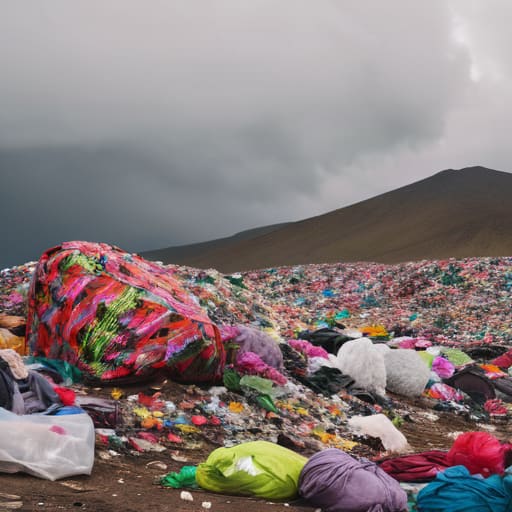
Here is the reality: most brands treat a recycling bin in-store like a magic wand that makes their environmental impact vanish. It doesn’t. When a company launches a collection without a real plan for resource recovery systems, they aren’t solving a problem; they’re just outsourcing the guilt to the consumer. I’ve seen too many “circular” initiatives that end up with mountains of unsorted, low-quality polyester being shipped off to the Global South because the brand didn’t account for the actual cost of sorting textiles.
If the garment is constructed with cheap, blended fibers that are impossible to separate, no amount of good intentions will make it recyclable. This is where the conversation around extended producer responsibility gets messy. It’s easy to slap a “take back” logo on a hangtag, but if you haven’t invested in the infrastructure to handle the actual volume of waste, you’re just creating a new logistical nightmare. Real sustainability isn’t just about collecting old rags; it’s about ensuring those rags don’t end up in a landfill because the waste management solutions were an afterthought rather than a core part of the production cycle.
How to actually do this without it being a total wash
- Stop looking at the “recycled” label and start looking at the fiber content. If you’re taking back a poly-cotton blend that’s been treated with heavy finishes, a standard recycling bin isn’t going to do anything for it—it’s just going to end up in a landfill anyway.
- Audit your blanks before you launch the scheme. It is a massive waste of energy to create a take-back program for garments that were never built to last in the first place; if the seams are going to fail after three washes, there’s nothing worth “taking back.”
- Incentivize the right behavior, not just more consumption. Giving a 20% discount code for a new purchase every time someone drops off old clothes isn’t circularity—it’s just a loop that encourages more production. Try offering repair credits or store credit that isn’t tied to a “new drop.”
- Get real about the logistics of the “middle man.” Most brands hand their collected waste to a third party and call it a day, but you need to know exactly where those piles are going. If they aren’t being sorted by fiber type, you’re just outsourcing your guilt.
- Design for disassembly from day one. If I’m trying to upcycle a garment, the last thing I want to deal with is heavy hardware or non-removable trimmings that make the fabric impossible to process. Make the construction as simple as the aesthetic.
The Reality Check: What to Actually Look For
Stop falling for the “circularity” buzzwords; if a brand is taking back clothes but the garments are made of low-GSM poly-blends that shred after three washes, they aren’t solving a problem, they’re just managing a PR crisis.
Prioritize durability over collection rates—the most sustainable garment is the one that doesn’t need to be “taken back” because the seam allowance was actually reinforced and the fabric can handle a real life.
Demand transparency on the actual end-of-life process, because a collection bin in a flagship store is meaningless if the clothes are just being shipped off to a landfill in the Global South under the guise of “recycling.”
Frequently Asked Questions
If I actually bring my old clothes back, does the brand just sell them to a middleman, or is there a real way to keep the fibers from becoming landfill?
Honestly? A lot of the time, yes, they’re just offloading the headache to a middleman. If the brand doesn’t have a transparent partnership with a textile recycler, those clothes often end up in a sorting facility that’s basically a glorified warehouse for export. Real circularity means mechanical or chemical recycling—breaking fibers down to spin new yarn—but that’s expensive. Without that, “take back” is often just a way to clear shelf space.
How can I tell if a brand is actually recycling their take-back stock or if they're just using the program to trick me into buying a new collection?
Look, if they can’t tell you exactly where that pile of old hoodies is going, they’re probably just landfilling them or shipping them off to the Global South to rot. Ask for specifics: are they fiber-to-fiber recycling, or just downcycling them into insulation? If the “circularity” talk is all vague buzzwords about “giving clothes new life” without mentioning actual processing facilities or mechanical recycling methods, they’re just using your old gear as a discount voucher for their next drop.
Does the quality of the original garment—like the GSM and the type of thread used—actually matter for whether it can be successfully repurposed?
Does it matter? It’s everything. If you’re trying to repurpose a shirt with a low GSM, you’re basically trying to build a house out of wet tissue paper—it’s going to shred the moment you try to rework it. And don’t get me started on cheap, polyester-blend threads that snap during deconstruction. If the original construction is garbage, your “circular” solution is just more landfill in waiting. You need structural integrity to actually create something new.