
I remember sitting in a cramped, humid shared studio last summer, staring at a sample of a “tribal print” hoodie that had just arrived from a massive fast-fashion wholesaler. It was cheap, the print was peeling after one wash, and the pattern was a complete, nonsensical mashup of sacred motifs that had absolutely zero connection to the actual heritage they were mimicking. It felt gross—not just because the garment construction was trash, but because the brand was treating cultural references and respect like they were just another aesthetic trend to be scraped from Pinterest and slapped onto a heavy fleece. It’s that specific kind of performative design that makes my skin crawl, where the “vibe” is prioritized over the actual human history behind the stitch.
Look, I’m not here to give you a lecture on corporate ethics or some sanitized textbook definition of sensitivity. I want to talk about the actual mechanics of how we avoid being part of the problem. I’m going to pull back the curtain on how to navigate cultural references and respect without falling into the trap of shallow appropriation. We’re going to talk about the real work—the research, the sourcing, and the intentionality—that separates a meaningful tribute from a cheap, disrespectful blank.
Avoiding Cultural Appropriation Dont Wear a Culture Like a Cheap Blank
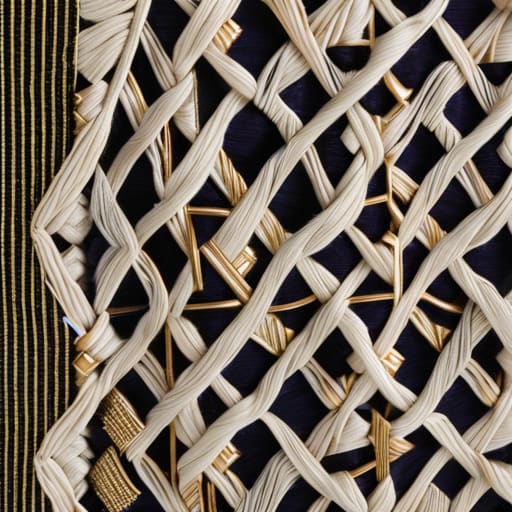
Look, there is a massive difference between being inspired by a silhouette and treating a sacred pattern like a seasonal graphic. I’ve seen too many brands treat traditional motifs like they’re just another way to fill up a screen print, completely ignoring the history behind the thread. When you strip a symbol of its meaning just to make a garment “look edgy,” you aren’t being creative; you’re just being lazy. Avoiding cultural appropriation isn’t about being “policed”—it’s about recognizing that some designs carry a weight that a standard cotton blank just can’t support.
If you’re pulling from a heritage that isn’t yours, you have to actually do the work. It’s about understanding cultural nuances rather than just grabbing a Pinterest board and calling it a collection. If a pattern was meant for a specific ritual or a certain lineage, slapping it on a streetwear hoodie for a quick profit is a massive fail. Real craft requires sensitivity in storytelling, and that means knowing when to collaborate with the community you’re referencing and when to just leave the design alone.
The Impact of Cultural Stereotypes on Your Brands Integrity
Here is the reality: when you lean on a stereotype to sell a vibe, you aren’t just being lazy with your design—you’re actively eroding the trust people have in your label. I’ve seen so many “streetwear” brands try to shortcut the creative process by grabbing a visual shorthand from another culture, thinking it makes their collection feel “edgy” or “authentic.” But there is nothing authentic about it. The impact of cultural stereotypes is that it turns deep, lived experiences into nothing more than a seasonal aesthetic. Once you’ve been called out for that, it is incredibly hard to pivot back to being seen as a brand that actually cares about craft.
If you want to build something that lasts longer than a single drop, you have to prioritize understanding cultural nuances instead of just skimming the surface. It’s not enough to just check a box; you need to look at how your imagery interacts with the actual history of the people you’re referencing. When you strip away the meaning to make a graphic “pop,” you’re essentially treating a culture like a cheap, low-GSM blank—it might look okay from a distance, but it lacks any real substance or integrity.
How to actually do the work (without being a total vulture)
- Stop treating motifs like clip art. If you find a pattern that looks “vibey,” don’t just slap it on a heavy-weight hoodie and call it a day. Trace its history back to where it actually lives. If you can’t name the community it belongs to, you shouldn’t be printing it.
- Check your profit margins against your intentions. If you’re making money off a design that belongs to a marginalized group while they’re still struggling to get credit for it, you aren’t “celebrating” anything—you’re just extracting. That’s not design; that’s a heist.
- Collab or get out of the way. The easiest way to avoid being a vulture is to actually bring the creators into the studio. If a specific technique or aesthetic is central to your collection, work with someone from that culture. Pay them, credit them, and let them have a say in how their craft is being represented.
- Look past the “aesthetic” and find the meaning. A lot of these patterns aren’t just pretty shapes; they’re stories, prayers, or markers of status. When you strip the meaning away just to make a garment look “street,” you’re basically turning someone’s heritage into a cheap, disposable trend.
- Own your ignorance instead of faking it. If you’re unsure if something is off-limits, don’t just gamble with it. Do the research, ask the questions, and if it feels like you’re just grabbing at something because it’s “cool,” it probably is. It’s better to have a blank collection than one built on stolen identity.
The Bottom Line: Craft Over Clout
Stop treating cultural motifs like they’re just another graphic print you can slap on a heavy-weight blank; if you haven’t done the research, don’t touch the design.
Real brand integrity isn’t built on “vibes” or trending aesthetics, but on the respect you show to the histories behind the patterns you choose to use.
Authenticity can’t be manufactured in a studio—if your design is just a shallow imitation of a tradition, the people who actually live that culture will see right through it.
Frequently Asked Questions
How do I actually tell the difference between being inspired by a culture and just straight-up stealing its motifs?
It comes down to your research and your “why.” If you’re just grabbing a pattern because it looks “vibey” or fits a current aesthetic, you’re probably stealing. That’s lazy design. Real inspiration means understanding the history, the symbolism, and the people behind the motif. Are you collaborating with creators from that community, or are you just treating their heritage like a free resource? If you can’t explain the meaning behind the print, don’t print it.
If I'm a small brand with zero budget, how am I supposed to "do the work" and research properly without getting overwhelmed?
Look, I get it. You’re staring at a blank screen and a tiny bank account, feeling like you need a PhD in anthropology just to drop a print. You don’t. Stop scrolling TikTok for “aesthetic” inspo—that’s where the shallow stuff lives. Instead, pick one specific element, find a primary source or a museum archive online, and actually read the history. If you can’t explain the why behind a motif, don’t use it. Keep it narrow.
At what point does a design cross the line from a respectful nod to something that's going to wreck my brand's integrity?
The line is crossed the second you stop asking “why” and start asking “how much can I sell this for?” If you’re stripping a pattern or a symbol away from its context just because it looks “aesthetic” on a heavyweight hoodie, you’ve already lost. It becomes a wrecking ball when the design feels extractive rather than collaborative. If you can’t explain the history behind the motif without sounding like a marketing bot, don’t print it.