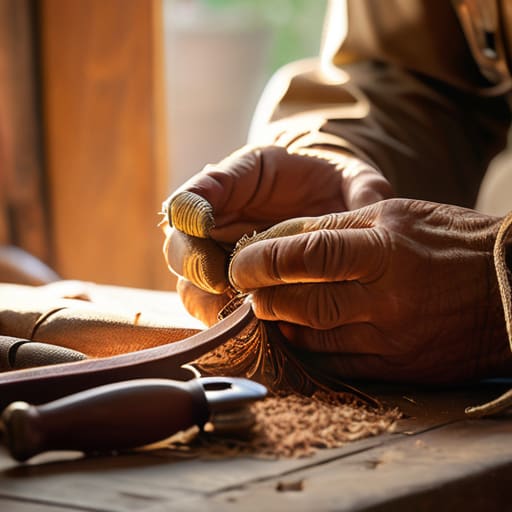
I was sitting on my studio floor last Tuesday, surrounded by a pile of rejected samples, staring at a heavy-weight hoodie that had a seam pop after just one wash. It’s the same cycle I see every week: brands pour their entire marketing budget into “drops” and influencer seeding, but the second a stitch fails, the relationship is dead. They treat clothes like disposable content, yet they’re all suddenly scrambling to talk about repair services as brand strategy like it’s some revolutionary new way to win hearts. Honestly? It’s not a “strategy” if you’re just doing it to check a sustainability box; it’s just basic accountability for the things you’ve actually built.
I’m not here to give you a polished corporate roadmap or some vague lecture on “circularity metrics.” I want to talk about the actual mechanics of making a brand stick. I’m going to show you how to move past the hype and figure out how to actually integrate these services without it becoming a logistical nightmare or a cheap PR stunt. We’re going to look at the real cost of longevity and how treating your garments like they actually matter is the only way to build a community that isn’t just waiting for your next sale.
Building Customer Lifetime Value Through Repair Not Replacement
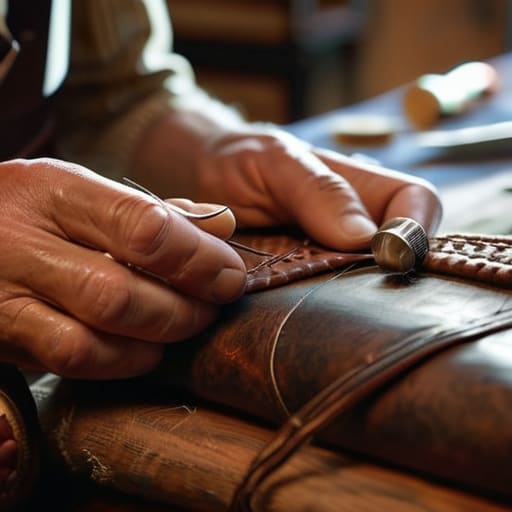
Most brands treat a sale like a finish line. You drop the cash, they ship the package, and suddenly you’re just a data point in their next quarterly report. But if you’re actually serious about building something that lasts, you have to stop looking at the transaction as the end of the relationship. When you offer a way to fix a blown seam or replace a zipper, you aren’t just being “eco-friendly”—you are actively increasing customer lifetime value through repair. It shifts the dynamic from a one-off exchange to a long-term partnership.
I’ve seen too many labels chase that quick dopamine hit of a seasonal drop, only to realize their customers feel ghosted the moment the garment shows wear. By integrating an after-sales service, you stop being a vendor and start being a steward of the clothes you make. It’s a massive shift in circular economy brand positioning; instead of praying your customers buy a new version of the same shirt next month, you’re proving that the one they have is worth saving. That kind of trust is way harder to build than a viral marketing campaign, but it’s a hell of a lot more durable.
The Heavy Duty Seam Allowance of Brand Loyalty and Product Longevity
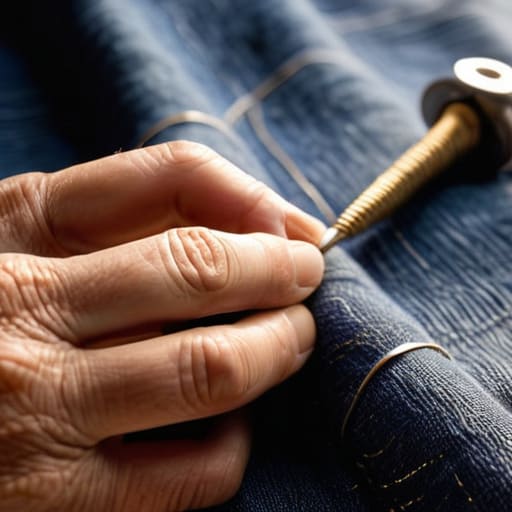
Think of a seam allowance like this: if it’s too thin, the whole garment falls apart the second it hits a washing machine. The same logic applies to how you treat your customers. Most brands treat a sale like the finish line, but if you’re actually serious about brand loyalty and product longevity, the sale is just the starting line. When you offer to fix a blown-out seam or replace a broken zipper, you aren’t just performing a chore; you’re proving that the piece was actually worth the money in the first place.
It’s a massive shift in how we view sustainable business models. Instead of the usual “buy, wear, discard” cycle that keeps the industry bloated, you’re building a relationship based on utility. When I’m looking at a garment, I’m checking if the construction can handle being mended. If a brand tells me they’ll help me keep my favorite hoodie alive for five years instead of five months, that builds a level of trust that no flashy Instagram ad ever could. It’s about making sure the quality of the service matches the quality of the stitch.
How to actually do this without it becoming a PR stunt
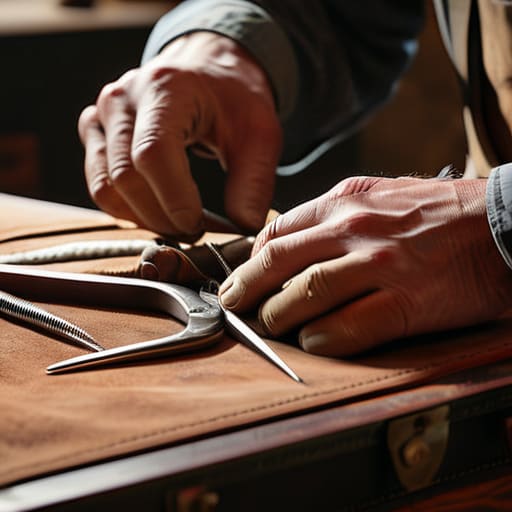
- Stop treating repairs like a “sustainability feature” and start treating them like a service. If you’re only offering repairs because it looks good on a landing page, people will smell the performative bullshit from a mile away. It needs to be easy, accessible, and part of the actual lifecycle of the garment.
- Don’t just fix the hole; document the history. I love it when brands keep a log of what was mended. It turns a “damaged” item into a piece with a story. If a customer sends back a heavy-weight hoodie for a sleeve repair, that’s not a failure of the product—it’s proof that the garment is actually being lived in.
- Use it as a way to teach, not just to act. Instead of just saying “send it to us,” try releasing small repair kits or tutorials that match your specific fabric weights. If you’re selling high-GSM jersey, show them how to patch it so it doesn’t look like a DIY disaster. It builds a weirdly strong bond when you teach someone how to care for what they bought.
- Audit your own construction first. There is nothing more embarrassing than launching a repair program when your seams are already unravelling after three washes. You can’t offer a “lifetime repair” service if your baseline quality is mid-tier fast fashion. Fix your patterns and your stitch density before you promise to fix the customer’s problems.
- Make the “mended” look an aesthetic choice, not a flaw. Look at traditional Japanese sashiko—it’s beautiful because the repair is visible and intentional. If your brand can lean into the idea that a repaired garment is more valuable than a pristine one, you’re moving away from the “disposable” mindset and into actual craft.
The bottom line on why this actually matters
Stop treating your customers like one-time transactions; offering a repair service turns a “buy and forget” relationship into a long-term partnership built on actual trust.
Quality isn’t just about the GSM of your fabric or how clean your screen print is—it’s about whether the garment is still wearable three years after the sale.
If your brand’s only way to stay relevant is by dropping new “drops” every two weeks, you aren’t building a community, you’re just fueling a landfill.
Frequently Asked Questions
How do I actually scale this without it becoming a logistical nightmare that eats my entire profit margin?
Look, I get it. The thought of managing a mountain of incoming, torn-up hoodies sounds like a one-way ticket to bankruptcy. Don’t try to do everything at once. Start small—maybe just a “repair kit” program or a partnership with a local tailor instead of building your own factory. You don’t need to own the sewing machines to own the service. Scale the system, not the manual labor, or you’ll drown in scraps.
Is it better to handle repairs in-house or find a local tailor partner who won't mess up my specific constructions?
Honestly, it’s a toss-up depending on your scale, but don’t rush it. If you have the space and a machine that can actually handle your specific stitch density, in-house gives you total control over the finish. But if you’re still scaling, find a local tailor who actually respects construction. Just don’t just hand them a garment; walk them through your seam allowances and fabric weight first. If they look at you like you’re crazy, walk away.
How do I communicate this to my customers so it feels like a genuine value-add rather than just a way to justify a higher price point?
Stop burying it in a “Sustainability” tab on your website. That’s where good intentions go to die. If you want people to see the value, show them the work. Post a video of a patched-up vintage denim jacket or explain exactly why a reinforced seam matters. Don’t just say “we offer repairs”; show them that you actually give a damn about the garment after the transaction is finished. Transparency is your best marketing tool.