I remember the first time I tried to launch a small capsule collection; I spent weeks obsessing over print placement only to realize I’d completely ignored the foundation of the garment itself. I was staring at two different rolls of fabric, paralyzed by the debate of raw versus washed denim, thinking that as long as the fit was right, the construction wouldn’t matter. I was wrong. I learned the hard way that choosing a pre-washed finish for ease is a completely different design philosophy than committing to the stiff, unyielding character of raw indigo. One is a finished product you wear immediately, while the other is a living document of your own movement.
Look, I’m not here to sell you on a specific brand or tell you which wash is “trending” on TikTok this week. My goal is to strip away the marketing fluff and talk about what actually happens to the fibers. I’m going to break down the structural differences, the way the weight affects your drape, and exactly how much labor and chemistry goes into that “vintage” look. By the end of this, you won’t just know which one to buy; you’ll understand what you’re actually paying for.
Raw Denim
Raw denim is essentially fabric that has come straight off the loom without undergoing any industrial laundering or chemical softening processes. Because the indigo dye hasn’t been agitated out of the fibers, the fabric retains a stiff, structural integrity that serves as a blank canvas for your body’s specific movements. The main selling point here is the ability to develop highly personalized, high-contrast fades that reflect exactly how you live in your clothes.
I’ve spent enough time staring at grain lines to know that wearing raw denim is a bit like breaking in a heavy leather boot; it’s a commitment to the process. You aren’t just buying a pair of jeans; you’re investing in a piece of hardware that will eventually map out your unique creases and wear patterns. If you’re looking for that instant gratification of a soft fit, you’re going to be frustrated, but if you want a garment that evolves with you, this is the only way to go.
Washed Denim
Washed denim is fabric that has been put through a series of mechanical and chemical treatments—like stone washing or enzyme washes—to break down the stiffness before it ever hits the rack. This process uses water and abrasion to loosen the cotton fibers, resulting in a much softer hand-feel and a more predictable drape right out of the box. The objective is to provide immediate comfort and a pre-set aesthetic that doesn’t require a “break-in” period.
From a production standpoint, I see this as the “easy” route, but it’s not without its merits if you value consistency over character. You don’t have to worry about those initial, awkward days where the denim feels like wearing a cardboard box, which is a huge plus for anyone who just wants to get dressed and go. However, you have to realize that once that wash is done, the ability to custom-tailor the fade is essentially gone—you’re buying the look the factory decided was best.
Comparison of Raw vs. Washed Denim
| Feature | Raw Denim | Washed Denim |
|---|---|---|
| Fabric State | Unprocessed/Stiff | Pre-softened/Broken-in |
| Key Feature | Personalized fading | Consistent color/comfort |
| Fit Experience | Tight/Restrictive initially | Comfortable from day one |
| Maintenance | Minimal washing required | Regular laundering allowed |
| Best For | Denim enthusiasts/Customization | Everyday casual wear |
| Price Point | Often higher (premium) | Generally more accessible |
| Shrinkage Risk | High (unstable) | Low (stable) |
Decoding Indigo Dye Saturation and Denim Fabric Weight and Texture
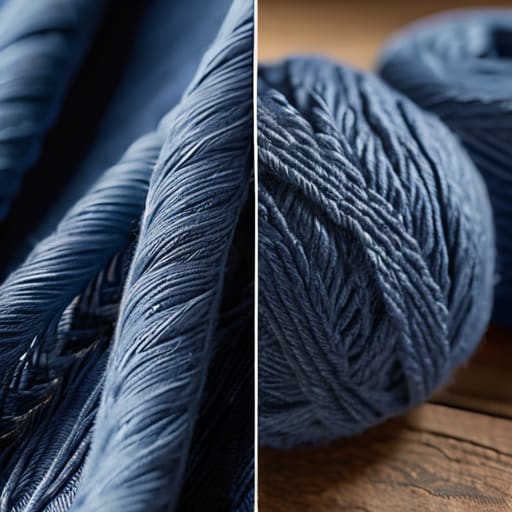
If you aren’t looking at the dye saturation and the weight, you’re basically just buying a color, not a piece of clothing. In the raw versus washed debate, this is where the actual soul of the garment lives. Whether you want a pair of jeans that evolves with your body or something that looks “finished” the second you pull it on, you have to understand how the indigo is sitting on those yarns.
Raw denim is all about that deep, almost ink-like saturation. Because the indigo hasn’t been agitated out in a wash cycle, the dye sits heavily on the surface, which is why it feels stiffer and more substantial right out of the box. You’re getting a high-density canvas that’s waiting for you to break it in.
Washed denim, on the other hand, has already gone through the ringer. The indigo has been stripped back to create those lighter, more consistent tones, which naturally makes the fabric feel softer and more approachable immediately. You lose that intense depth of color, but you gain a drape that doesn’t fight you.
For those who actually care about how a garment ages, raw denim takes the win here. The potential for unique fades is unmatched.
The Truth About Denim Shrinkage After First Wash vs Pre Washed vs Unwashed
If you aren’t accounting for shrinkage before you even step into the fitting room, you’re basically gambling with your money. I’ve seen so many people buy a pair of jeans that look perfect on the hanger, only to have them turn into high-waisted capris after a single soak. Understanding the shrinkage variable is the difference between a piece that evolves with your body and one that just doesn’t fit anymore.
With unwashed, raw denim, you’re looking at a high-stakes game of math. You have to anticipate that the cotton fibers will tighten up, often losing length in the inseam and even a bit of the waist. It’s a commitment to a learning curve. Pre-washed or “sanforized” denim, on the other hand, has already undergone industrial processes to stabilize the fabric. You’re paying for the peace of mind that the fit you see is the fit you’ll keep, even after a laundry cycle.
If you want total control over how your denim breaks in, raw is the way to go, but for anyone who actually values predictable sizing, pre-washed denim wins every single time.
The bottom line: What you’re actually paying for
If you want a garment that evolves with you and develops a custom map of your life through fades, go raw—just be prepared to fight the shrinkage battle during that first wash.
Don’t let “pre-washed” marketing fool you into thinking it’s a shortcut; you’re often paying a premium for the convenience of a predictable fit and a softer hand-feel from day one.
Stop chasing the aesthetic and start looking at the construction; whether it’s heavy raw denim or a broken-in wash, the weight and the way the indigo sits on the grain are what determine if these jeans last three years or three months.
Frequently Asked Questions
If I go with raw denim, am I actually going to ruin my washing machine with all that indigo bleeding?
Look, I’m not going to sugarcoat it: yes, raw denim is a literal dye bomb. If you toss a pair of unwashed, heavy-weight indigo jeans straight into your machine with your white towels, you’re going to end up with blue-tinted laundry and a very frustrated machine. Wash them solo in cold water for the first few cycles. Honestly, I’d rather you invest in a dedicated mesh bag than risk ruining your entire load just because you wanted that authentic fade.
Is it even possible to get a good fade if the denim is already pre-washed and softened?
Look, I’ll be real: you’re fighting an uphill battle here. Pre-washed denim has already had its “soul” partially stripped away through industrial laundering. Since the indigo is already broken in and the fibers are softened, those high-contrast, sharp whiskers and honeycombs you see on raw denim? They’re going to look muddy and diffused. You’ll get a nice, even patina, sure, but if you’re chasing that dramatic, personal fade, pre-washed is basically a shortcut to mediocrity.
How much extra am I actually paying for the "raw" label versus just buying a heavy-weight washed denim?
Honestly? You’re usually paying for the “potential.” When you buy raw, you aren’t just paying for the fabric; you’re paying for the ability to custom-engineer your own fades. A heavy-weight washed jean is a finished product—it’s stable, but it’s static. Raw denim is more like an unpainted canvas. You’re paying a premium for the labor-intensive dyeing process and the fact that you’re essentially buying a long-term project, not just a pair of pants.