
I was sitting on a milk crate in my first shared studio, staring at a stack of “premium” heavy-weight blanks that had just arrived, and I felt like a total idiot. I’d spent weeks obsessing over the graphic design, only to realize the actual construction was absolute garbage—pilling after one wash and seams that looked like they were held together by prayer. It’s the same trap I see people falling into every day: they think they can just slap a high price tag on a mediocre product and call it “luxury.” They completely ignore how pricing perception and positioning actually work in the real world, where a customer can feel a cheap thread count through the screen before they even hit “add to cart.”
Look, I’m not here to give you some polished masterclass on how to manipulate your customers with psychological pricing tricks. I’ve spent too many late nights hunched over a cutting table to care about marketing fluff. Instead, I’m going to show you how to align what you charge with the actual integrity of your garments. We’re going to talk about why your margins might be bleeding because you’re misreading your own value, and how to make sure your price reflects the GSM and the stitch quality you’ve worked so hard to source.
Why Price Quality Inference Dictates Your Brands Survival
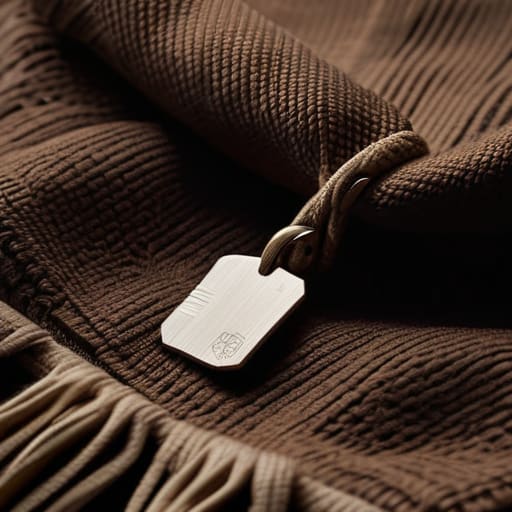
Here is the reality: most people don’t actually know how to read a spec sheet, so they use your price tag as a proxy for your quality. This is what we call price-quality inference, and it’s a double-edged sword. If you price your heavy-weight hoodies too low, people won’t think they’re getting a “steal”—they’ll think the fabric is thin, the dyes are cheap, and the fit is going to be trash. You end up stuck in a cycle where you’re fighting for scraps in the budget tier, but your production costs (because you actually care about GSM) won’t let you stay there.
You have to decide early on what your actual brand value proposition is. Are you selling a piece of art that’s built to last a decade, or are you just moving volume? If you try to sit in the middle, you’ll get crushed. You’ll be too expensive for the impulse buyers but too “low-end” for the collectors who actually respect the craft. Don’t let your price tag lie about what’s actually inside the seams.
Avoiding the Trap of Consumer Price Sensitivity
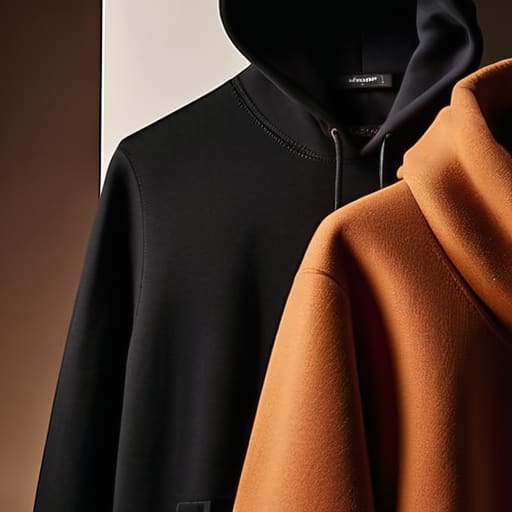
The biggest mistake I see new labels make is getting spooked by consumer price sensitivity and immediately slashing their margins to “stay competitive.” You see a massive streetwear brand dropping a heavy-weight hoodie for $120 and you think, there is no way I can charge $85 for mine. But here’s the thing: if you race to the bottom just because you’re afraid of a little pushback, you aren’t building a brand; you’re just running a discount bin. When you compete solely on being the cheapest, you’re teaching your customers that your craft isn’t actually worth the premium.
Instead of obsessing over what the guy next door is charging, you need to lean into your brand value proposition. If your garment uses a 400 GSM French Terry and a double-needle topstitch that won’t unravel after three washes, that is your shield against price wars. You aren’t just selling a piece of fabric; you’re selling the fact that it won’t end up in a landfill by next season. If you can’t communicate why your price is higher, you’ve already lost the battle.
How to stop pricing like a reseller and start pricing like a maker

- Stop hiding behind “market rates” and start looking at your spec sheet. If you’re using a 300 GSM heavy-weight jersey and double-needle topstitching, your price needs to reflect that weight and that labor, not just what the brand next to you is charging for their polyester blends.
- Don’t compete on being the cheapest; you will lose to fast-fashion giants who have mastered the art of exploitation. Instead, position yourself where people pay for the construction. I’d rather sell ten shirts with perfect seam allowances than a hundred blanks that fall apart after three washes.
- Your packaging and presentation are part of the perceived value, but don’t let them become a distraction. A fancy box won’t save a garment with a crooked neckline, but it does help signal to the customer that they aren’t just buying a commodity—they’re buying a piece of craft.
- Watch your “perceived” margins. If you price too low, people won’t just think you’re a bargain; they’ll assume your fabric is trash and your prints are going to crack. High-quality textiles carry a psychological weight—use that to your advantage.
- Be transparent about the “why” behind the numbers. When I explain why a specific garment costs more because of the way the pattern was cut to minimize waste, I’m not just justifying a price—I’m educating my customer so they actually value the work.
The real cost of playing it safe
If you price your pieces too low just to avoid “sticker shock,” you’re accidentally telling your customers that your construction is flimsy and your fabric is cheap.
Stop competing on price alone; people who only care about the lowest number will never value the GSM or the reinforced stitching that actually makes your brand worth owning.
Your pricing needs to reflect the reality of your production—if you aren’t accounting for the actual cost of a high-quality blank and proper seam allowances, you aren’t building a brand, you’re just subsidizing your customers’ wardrobes.
Frequently Asked Questions
If I'm using premium, heavy-weight blanks, how do I actually communicate that value to a customer who only sees a t-shirt on a screen?
You can’t just slap “premium” in the description and call it a day; that’s just marketing fluff. You have to show the physics of it. I’m talking macro shots of the tight knit, close-ups of the reinforced stitching, and actually listing the GSM. If it’s a 300 GSM heavy hitter, tell them how it drapes. Show the way the collar holds its shape after a wash. Make them feel the weight through the screen.
At what point does a higher price point stop feeling like "quality" and start feeling like I'm just overcharging for the hype?
It’s when the math stops making sense. If you’re charging a $100 premium but the garment still has raw edges, puckered seams, or a flimsy 150 GSM weight, you aren’t selling “luxury”—you’re selling a lie. People will pay for a name, sure, but they’ll feel cheated the second they realize the construction doesn’t justify the markup. If your price tag is higher than the actual value of the craftsmanship, you’re just chasing hype.
How do I figure out my baseline price without just looking at what every other streetwear brand is charging right now?
Stop looking at your competitors’ Instagram tags; they’re probably just guessing too. Instead, strip it back to the actual physical reality of your garment. Calculate your cost per meter, factor in the specific GSM of your fabric, and don’t forget the cost of the thread and the time you spent perfecting that seam allowance. Your baseline isn’t a market trend—it’s the literal cost of the materials and your labor plus enough margin to actually stay in business.