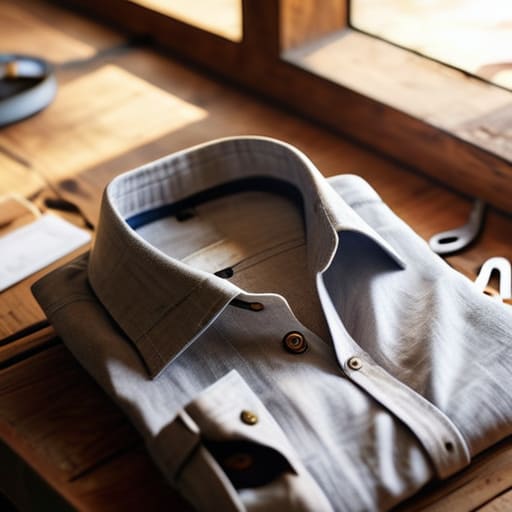
I still remember the smell of burnt plastisol ink and the headache that came from trying to press a design onto a “premium” heavy cotton tee that turned out to be nothing more than glorified felt. I was sitting in a cramped, shared studio, staring at a pile of wasted inventory and wondering why every “guru” online insisted that knowing how small clothing brands start was all about finding the right influencer or picking a viral colorway. They never mentioned that you’d likely spend your first six months fighting with inconsistent seam allowances or realizing your chosen supplier’s GSM claims are absolute fiction.
I’m not here to sell you on a lifestyle or tell you which aesthetic is going to dominate your TikTok feed next week. Instead, I want to show you the actual mechanics of the craft—the stuff that happens before the first photoshoot. We’re going to skip the marketing fluff and dive straight into the technical realities, from sourcing blanks that actually hold their shape to understanding the math behind your first production run. If you want to build something that actually lasts instead of just adding to the landfill, this is where we begin.
Calculating Real Fashion Startup Costs and Fabric Realities
Look, most people approach their clothing brand business plan like they’re planning a vacation, but it’s actually more like a math exam you didn’t study for. Everyone wants to talk about the “vibe” or the logo, but nobody wants to talk about the actual cash bleeding out of your account for samples that don’t even fit right. When you’re looking at apparel manufacturing for beginners, you have to realize that your biggest trap isn’t the marketing budget—it’s the hidden cost of quality.
If you try to save money by sourcing bottom-of-the-barrel fabric, you’re going to pay for it twice: once when you buy it, and again when your customers demand refunds because the seams are twisting after one wash. I’ve seen so many people underestimate the true fashion startup costs because they forgot to account for shipping, duties, and the inevitable “oops” factor during the clothing line production process. You aren’t just buying fabric; you are investing in the structural integrity of your brand. If the GSM is inconsistent or the weave is loose, no amount of cool branding will save your reputation.
Building a Clothing Brand Business Plan That Survives
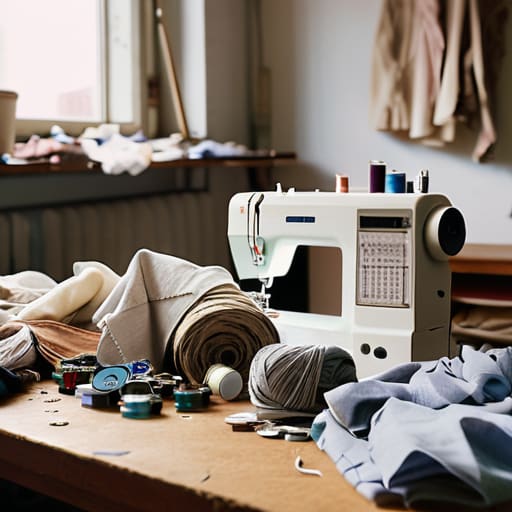
Most people approach a clothing brand business plan like they’re writing a wish list for a dream life. They list “influencer marketing” and “aesthetic mood boards” as if those things actually pay the rent. But if you want to survive your first year, your plan needs to be a gritty, logistical map, not a Pinterest board. You need to account for the messy reality of the clothing line production process—the delays in shipping, the samples that come out looking nothing like your sketches, and the inevitable cost of mistakes.
I’ve seen so many talented designers fold because they treated their business plan like a suggestion rather than a survival guide. You have to be obsessively realistic about your margins. If you aren’t factoring in the cost of sourcing fabric for small brands—which, let’s be real, is always more expensive when you aren’t buying by the bolt—you’re basically just subsidizing your customers’ wardrobes with your own savings. A plan that survives is one that prioritizes operational cash flow over how many likes your first drop gets on Instagram.
Stop Guessing and Start Measuring: 5 Ways to Not Tank Your First Drop

- Stop chasing “aesthetic” mood boards and start sourcing actual fabric samples. I’ve seen so many people fall in love with a digital mockup only to realize the actual cotton feels like sandpaper. Get your hands on the weight, feel the drape, and wash the damn sample three times before you commit to a bulk order.
- Learn the language of your factory, even if it feels intimidating. If you don’t know the difference between a single jersey and a heavy interlock, or why your seam allowance is looking wonky, you’re just throwing money at a manufacturer and hoping for the best. Knowledge is the only thing that keeps your margins from evaporating.
- Don’t over-index on the “drop” culture hype. It’s easy to get caught up in the frenzy of limited releases, but if your construction is sloppy, a hype-driven launch is just a fast track to a bad reputation. Build a core collection of pieces that actually hold their shape after five washes.
- Audit your tech packs like your life depends on it. A vague email to a supplier saying “make this fit like a vintage oversized tee” is a recipe for a box of expensive rags. You need specific measurements for chest width, shoulder drop, and sleeve length, or you’re just gambling.
- Watch your deadstock. It’s tempting to buy every cool remnant fabric you find to save a few bucks, but if it doesn’t align with your brand’s durability standards, it’s just expensive trash. I’d rather have three perfect, high-GSM blanks than twenty mediocre pieces that lose their shape in a week.
The stuff you actually need to remember
Stop obsessing over a logo and start obsessing over the specs; if you don’t understand your GSM and seam construction, you aren’t building a brand, you’re just buying expensive trash.
Your business plan needs to be more than just a mood board—it has to account for the messy, expensive reality of minimum order quantities and the inevitable cost of fabric waste.
Build for longevity, not for the algorithm; a brand that survives is one where the customer can feel the difference in the garment long after the TikTok trend has died.
Frequently Asked Questions
How do I actually find a manufacturer that won't ghost me after I pay the deposit?
Look, I’ve been there—sending a deposit and then staring at a silent inbox for three weeks. It’s soul-crushing. First, stop looking for “the best” and start looking for the most communicative. Ask for a video call, not just WhatsApp. If they won’t show you the floor or the actual machines in motion, walk. Also, never, ever skip the sample stage. If they can’t nail a prototype without losing their minds, they’ll definitely ghost your bulk order.
Is it even worth trying to source custom fabrics when I can't meet the massive minimum order quantities?
Look, I get the temptation. You want that specific hand-feel or a custom weave that makes your brand feel “premium,” but hitting those massive MOQs is a fast track to a cash flow nightmare. Honestly? Don’t do it yet. Stick to high-quality deadstock or premium blanks you can actually scale. Master your fit and your construction first. Once you’re moving enough units to actually justify a mill run, then we can talk about custom yardage.
How much should I actually be setting aside for shipping and packaging so I don't end up eating my entire profit margin?
Look, don’t just guess based on a single mailer. You need to budget for the “invisible” stuff: tissue paper, stickers, and those compostable mailers that actually hold up. If you’re shipping heavy, high-GSM hoodies, your postage is going to eat you alive if you aren’t careful. Aim to set aside about 10-15% of your retail price for the entire fulfillment package. Anything less and you’re basically paying customers to take your clothes.