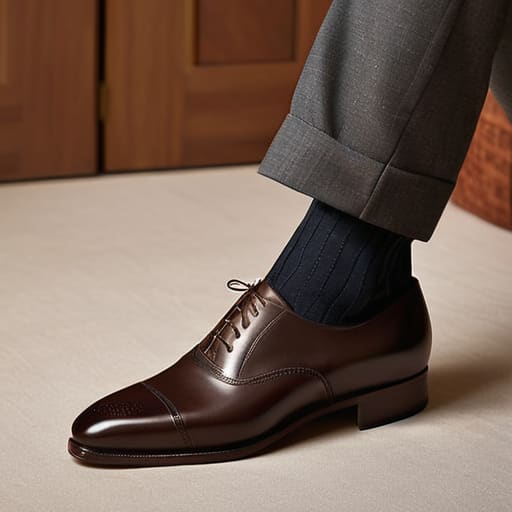
I was hunched over a heavy-duty industrial sewing machine last Tuesday, surrounded by the smell of scorched synthetic thread and stale coffee, when I realized I was looking at yet another pair of “luxury” chinos that were destined for a landfill. The marketing promised a “customized fit through wear,” but looking at the substandard stitch density, I knew the truth: they weren’t going to break in, they were just going to fall apart. Most people think getting a good break in trousers explained is some kind of mystical ritual involving expensive denim or specific washing temperatures, but honestly? It’s usually just a cover for poor construction and cheap fiber blends that can’t handle actual tension.
I’m not here to sell you on a specific brand or tell you that you need to spend a month’s rent on a single pair of selvedge pants to achieve the perfect drape. Instead, I want to pull back the curtain on the actual mechanics of how fabric moves against your body. I’m going to walk you through the real relationship between weave density, fiber memory, and seam strength so you can actually tell if a garment is built to evolve with you or if it’s just planned obsolescence in disguise.
The Physics of Drip Full Break vs No Break
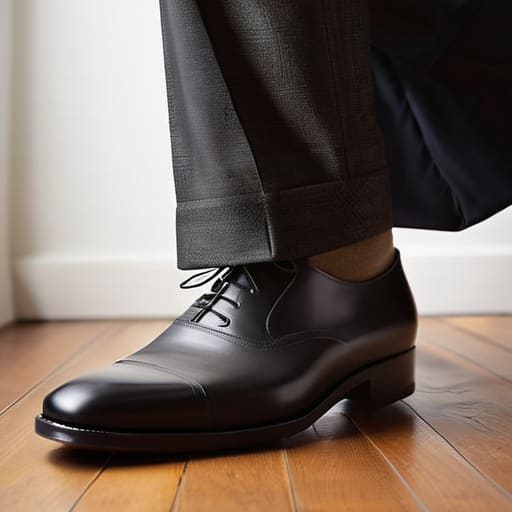
When you’re standing in front of a mirror trying to decide if your new trousers look intentional or just poorly hemmed, you’re really looking at how the fabric interacts with your shoes. In the world of pant cuff styles, the “break” is just a fancy way of describing that fold of fabric that happens when the hem hits your shoe. If you go for a full break, you’re letting the fabric pool significantly over the instep. It’s a heavy, more traditional look, but if the fabric weight is too flimsy, it doesn’t drape—it just bunches up like a crumpled receipt.
On the flip side, if you’re chasing that sharp, modern silhouette, you’re looking at a “no break” style. This is where the hem just barely skims the top of your footwear. It’s clean, it’s precise, and it’s a staple in any trousers tailoring guide worth its salt. However, be careful; if you go too short, you risk looking like you outgrew your clothes overnight. It’s all about finding that sweet spot where the fabric holds its shape without fighting your movement.
A Dress Pants Length Guide for Serious Construction
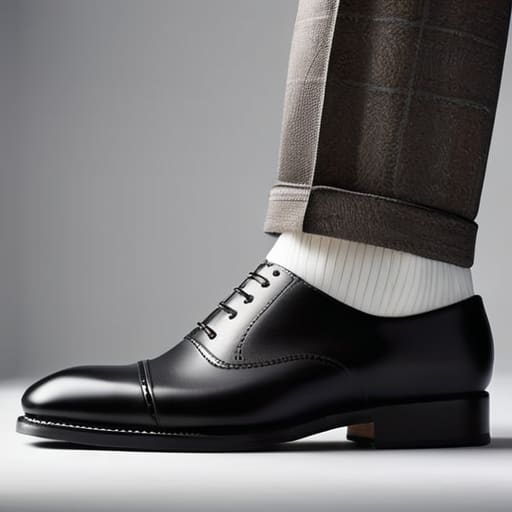
Look, if you’re taking this seriously, you need to stop treating your hem like an afterthought. When I’m at my machine, the first thing I check isn’t the waistband—it’s the vertical tension. A proper dress pants length guide isn’t just about where the fabric hits your shoe; it’s about how the weight of the drape interacts with the ankle. If you’re working with a heavy wool gabardine, you’re going to get a much more intentional fold than you would with a flimsy synthetic blend that just collapses into a messy pile of wrinkles.
When you’re looking at different pant cuff styles, remember that the silhouette is dictated by the break. If you’re going for a modern, sharp look, you want that fabric to just kiss the top of your shoe. But if you’re aiming for something more heritage or relaxed, you need enough length to allow for a structured fold. I always tell people: don’t just look at the front in the mirror; turn them inside out and check if the hem is actually straight or if the fabric is pulling unevenly due to a bad taper.
How to Not Ruin Your Silhouette: My Rules for Managing the Break
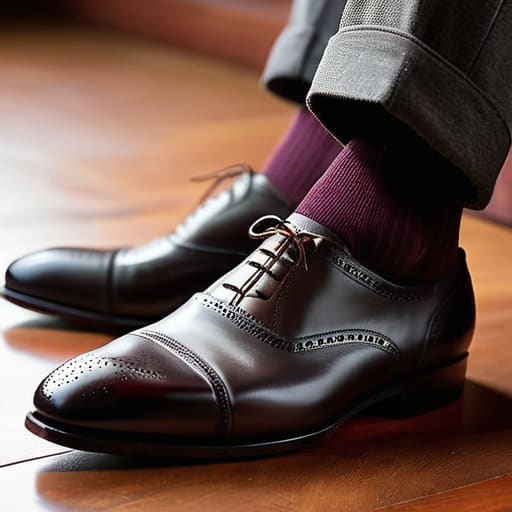
- Stop ignoring the hem weight. If you’re working with a super lightweight summer linen, a heavy break is just going to look like a crumpled mess; you need a clean, minimal break there to keep the fabric from collapsing on itself.
- Check your rise before you obsess over the length. If you’re wearing high-waisted trousers, you actually have more room to play with a slight break because the proportions are already pulling the fabric downward.
- The “Inside-Out” Test. Before you commit to a tailor, turn the trousers inside out and look at the seam allowance. If the construction is sloppy or the thread is thin, a heavy break is just going to highlight how poorly the garment was actually put together.
- Don’t fight the fabric’s natural drape. I’ve seen people try to force a “no break” look on heavy, high-GSM wool trousers, and it just looks awkward and stiff—let the weight of the fabric do some of the work for you.
- Mind the shoe volume. A chunky loafer or a heavy boot needs a different break than a slim Chelsea boot; if you have a massive sole, you need a bit more fabric pooling to prevent the trousers from looking like they’re floating aimlessly above your feet.
The Cheat Sheet: What Actually Matters
Don’t let a tailor talk you into a “full break” just because they want to use more fabric; if the fabric weight is too light, that extra bunching just looks like a mess, not a style choice.
The “sweet spot” for most of my builds is a slight break—it gives you that bit of movement without making it look like you’re wearing hand-me-downs from a decade ago.
Always check the hem construction; if you’re paying for a specific break, make sure the seam allowance is actually substantial enough to hold that shape once you start walking around in them.
Frequently Asked Questions
If I'm going for a full break, how much extra fabric am I actually looking at in the hem so I don't end up looking like I'm wearing hand-me-downs?
Look, if you’re chasing that heavy, pooled look, you’re usually talking about an extra 1.5 to 2 inches of fabric stacking at the ankle. But here’s the catch: it’s not just about the length; it’s about the weight. If your fabric is too light, it’ll just look like you outgrew your clothes. You need a decent GSM to hold that fold, otherwise, you’re just wearing saggy hand-me-downs, not a deliberate silhouette.
Does the weight of the fabric change how the break sits, or is that strictly a length issue?
It’s definitely not just length. I can’t tell you how many times I’ve seen a perfectly hemmed pair of trousers look like a disaster because the fabric weight was all wrong. A heavy, high-GSM denim or a structured wool is going to hold a sharp, intentional fold. But if you’re working with a flimsy, lightweight cotton? It’s just going to puddle and collapse around your ankles. Weight dictates the architecture; length just dictates where that architecture ends.
Can I actually take these to a tailor to adjust the break, or is the whole leg construction already ruined?
It depends on how much they’ve already butchered the hem. If they just shortened them and left the original hem allowance intact, a tailor can easily re-hem them to a different break. But if the trousers were cut too short or the original hem was chopped off entirely, you’re stuck. At that point, you’re basically sewing on a new hem, and if the fabric is too thin, it’ll look like a cheap patch job.