
I was sitting in my shared studio last Tuesday, staring at a “limited drop” hoodie that cost more than my monthly rent, and I just couldn’t stop laughing. The branding was loud, the logo was everywhere, but the moment I turned it inside out to check the construction, my heart sank. The overlock stitching was messy, and the fabric felt like thin, glorified paper. It’s the same story I see constantly with the intersection of skate culture and clothing: brands are selling you a lifestyle aesthetic while completely ignoring the actual utility required to, you know, actually skate in them.
I’m not here to tell you which logo is going to be “in” next month or how to style a baggy fit for your Instagram feed. Instead, I want to talk about what actually happens when concrete meets cotton. I’m going to pull back the curtain on durability versus hype, explaining why things like reinforced seams and heavy-weight jersey actually matter when you’re falling on pavement. We’re going to look at the real mechanics of how these garments are built, so you can stop paying a premium for marketing and start investing in pieces that actually survive a session.
Why Heavyweight Cotton Skate Tees Outlast the Hype
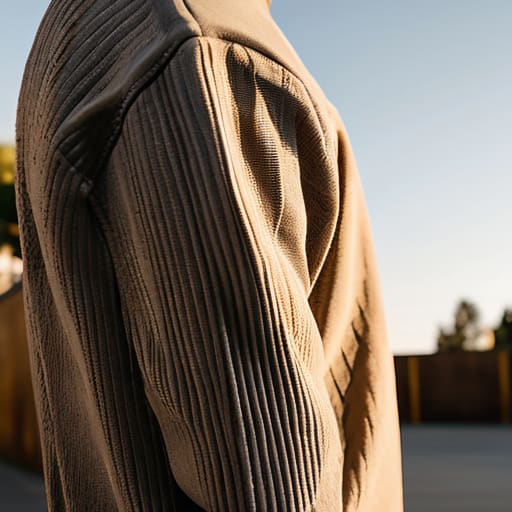
Look, I’ve spent way too many hours in the studio feeling the difference between a premium blank and something that feels like recycled paper. When we talk about skateboarding apparel durability, it isn’t just about some marketing buzzword; it’s about the literal physics of a fall. If you’re wearing a flimsy, low-GSM shirt, the first time you catch a concrete edge or even just a heavy wipeout, that fabric is going to shred or, even worse, lose its entire silhouette. You end up with a collar that looks like a wet noodle after three washes.
That’s why I always advocate for heavyweight cotton skate tees. A higher GSM means the fabric has enough structural integrity to actually hold its shape while you’re moving. It’s about functional skate wear that can handle the friction and the constant laundering. I’m less interested in chasing every fleeting shift in skateboarding aesthetic trends and more interested in a garment that actually survives the season. If the construction is solid, you aren’t just buying a piece of clothing; you’re buying something that won’t end up in a landfill by next month.
Tracing the Streetwear Fashion Evolution Through Function
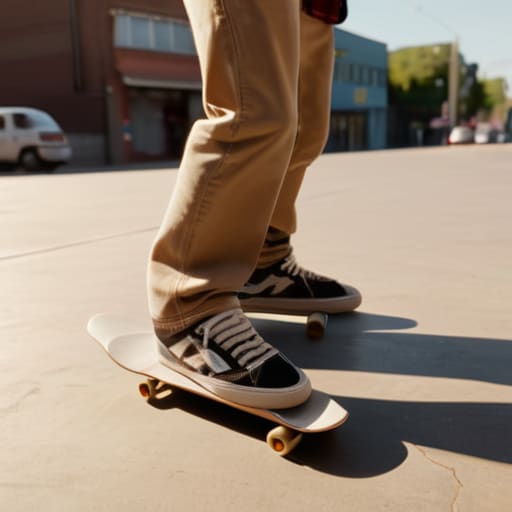
To understand the streetwear fashion evolution, you have to stop looking at runways and start looking at the pavement. Streetwear didn’t start in a design studio; it started because skaters needed clothes that wouldn’t shred the second they caught a pebble. If you look back at the early days of skateboarding subculture history, the “look” was purely accidental. It was a byproduct of necessity—baggy chinos to allow for a full range of motion and sturdy fabrics that could survive a fall.
The shift happened when people realized that functional skate wear actually looked cool. We moved from strictly utilitarian gear to a specific aesthetic, but the core DNA remained the same: if it can’t handle a session, it’s not worth wearing. Nowadays, brands try to sell you a “vibe” using paper-thin fabrics, but they’re ignoring the roots. True longevity in this space comes from that intersection of style and skateboarding apparel durability. If the garment wasn’t built to move and take a beating, it’s just a costume, not real streetwear.
Real Talk: How to Spot Gear That Actually Survives a Session
- Stop chasing the logo and start feeling the weight; if a tee feels like a wet paper towel in your hands, it’s going to shred the first time you catch a board or hit a rail.
- Check the stitching on the necklines—if it’s just a single, flimsy thread, that collar is going to turn into a wavy mess after three washes, and I promise you won’t want to wear it.
- Look for reinforced seams, especially around the stress points; skaters don’t move like models, and if the garment isn’t built to handle that range of motion, it’s just fast fashion in disguise.
- Prioritize natural fibers like heavy cotton over those weird synthetic blends; synthetics might dry faster, but they don’t age with that beautiful, lived-in character that makes a vintage piece actually worth something.
- Inspect the hem thickness—a wider, sturdier hem on a shirt or a pair of trousers means the garment has enough structural integrity to keep its shape even after you’ve spent all afternoon sliding around.
The Real Bottom Line
Stop chasing logos and start checking the weight; a high GSM isn’t just a spec, it’s the difference between a shirt that survives a concrete slam and one that turns into a rag after one wash.
Streetwear’s DNA is built on utility, so if a garment looks cool but lacks the reinforced stitching or structural integrity needed for actual movement, it’s just marketing masquerading as culture.
True style is found in the construction, not the trend cycle—learning to recognize a well-cut pattern and a quality blank means you’ll stop paying the “hype tax” on clothes that aren’t built to last.
Frequently Asked Questions
If I'm looking for actual durability, what specific weave or knit should I be checking for in a skate hoodie?
Look, if you’re hitting the concrete, skip the flimsy blends. You want a heavy-duty French Terry or a dense fleece. French Terry is great because those loops on the inside help with moisture and structure, but for pure durability, look for a high-density loopback knit. Check the weight, too—if it feels like a thin pajama top, it’s not going to survive a single slam. You want something with enough heft to hold its shape when it gets scuffed.
How much of the "oversized" look is actually functional for movement versus just being a silhouette choice?
Look, it’s a bit of both, but let’s be real: a lot of it is just silhouette play for the ‘gram. Originally, skaters needed that extra room in the crotch and shoulders so they wouldn’t split their seams mid-kickflip. That’s pure utility. But nowadays? Most “oversized” pieces are just boxy cuts that don’t actually offer better range of motion. If the fabric is stiff and the armholes are too low, you’re just fighting the shirt.
Is there a real difference in how heavy-duty workwear brands compare to skate-specific brands when it comes to seam construction?
Honestly, there’s a massive difference, and it usually comes down to where the stress points are. Workwear brands like Carhartt build for abrasion—they’re obsessed with triple-stitching and heavy-duty seams that won’t rip when you’re crawling under a truck. Skate brands focus more on mobility and impact; they need construction that handles a sudden fall or a heavy landing without snapping a thread. One is built to resist friction, the other is built to survive a tumble.