Stop wasting your money on those “premium” sneaker cleaning kits that come in fancy-ass packaging just to tell you to use a soft brush. Honestly, half the stuff they market to you is just overpriced soap and aesthetic branding that does nothing for the actual materials. I’ve spent years in a studio obsessing over how different fibers and leathers react to moisture, and I can tell you that caring for sneakers properly isn’t about buying a ritual; it’s about understanding the chemistry of what’s on your feet. Most of these “must-have” products are just a way to gatekeep basic maintenance from people who actually want their gear to last.
I’m not here to sell you a lifestyle or a specific brand of solution. Instead, I’m going to pull back the curtain on what actually works based on material integrity and how to avoid the common mistakes that turn a solid pair of kicks into disposable trash. We’re going to talk about why your washing machine is the enemy of a good midsole and how to manage different textures without ruining the finish. This is about longevity over hype, and I promise to keep it strictly about the craft.
How to Clean Suede Sneakers Without Destroying the Nap
Look, if you try to scrub suede with a wet rag like it’s a piece of canvas, you’ve already lost. Suede isn’t just leather; it’s a delicate, brushed surface, and once you flatten that nap with moisture or aggressive scrubbing, it’s basically dead. If you’re looking for how to clean suede sneakers without turning them into a matted mess, you need to start dry. Get yourself a decent suede brush—one with a mix of brass and nylon bristles—and always brush in one direction. If you go back and forth like you’re trying to buff a car, you’re just going to ruin the texture.
For those stubborn spots where someone spilled something, skip the soap. Grab a suede eraser and use light, controlled pressure to lift the grit. It’s a bit like using an eraser on a pencil sketch; you have to be patient and precise. Once you’ve cleared the debris, give it a quick brush to lift the fibers back up. If you want to stop this from becoming a weekly battle, invest in some high-quality water repellent sprays. Protecting kicks from weather is way easier than trying to fix a water-stained pair of nubuck runners after the fact.
Leather Sneaker Maintenance Tips for Structural Longevity
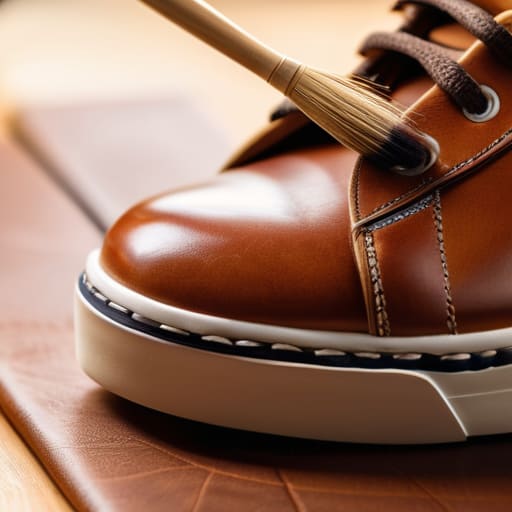
Once you’ve figured out how to handle suede without turning it into a matted mess, you have to look at the actual architecture of your leather kicks. Leather isn’t just a surface; it’s a material that breathes, and if you let it dry out, it’s going to crack. I’ve seen too many people buy high-end leather trainers only to have them look like cheap synthetic scrap within three months because they skipped the conditioner. My go-to leather sneaker maintenance tips always start with a decent conditioner to keep the hide supple. If the leather stays hydrated, it maintains its shape, which is the whole point of investing in quality construction.
It’s also about the stuff you don’t see. If you’re constantly wearing the same pair, moisture builds up inside, which can actually degrade the internal structural integrity of the shoe. I’m big on using cedar shoe trees or even just stuffing them with acid-free paper when they aren’t in use to help them hold their silhouette. It’s a small step, but it’s the difference between a shoe that looks lived-in and one that looks just plain trashed.
Stop treating your sneakers like they’re indestructible
- For the love of everything, stop using a washing machine to “deep clean” your kicks. The agitation is a nightmare for the adhesives holding the sole to the upper, and you’ll end up with a pair that looks like they’ve been through a blender.
- Invest in a decent brush kit, but keep the bristles in mind. You need a soft-bristle brush for the delicate stitching and a stiffer one for the midsoles; using a heavy-duty brush on a fine mesh upper is a one-way ticket to fraying.
- If you’re dealing with moisture, don’t just shove them against a radiator to dry them out. High heat makes leather brittle and can warp the shape of the silhouette, so just stuff them with some plain paper towels and let them air dry naturally.
- Don’t wait until they look like a disaster to do something. A quick wipe-down with a damp cloth after a day of wear prevents salt and dirt from actually embedding themselves into the fibers of the material.
- Pay attention to the laces. They’re the easiest thing to swap out, and if your laces are frayed or dingy, it makes even the most expensive leather sneakers look cheap and neglected.
The bottom line: Stop treating your kicks like disposable fast fashion
Treat the material like the investment it is—if you wouldn’t scrub a delicate textile with a harsh brush, don’t do it to your suede or premium leather.
It’s not just about looking clean; it’s about preserving the structural integrity of the midsole and the shape of the upper so they don’t turn into shapeless blobs after three months.
Forget the “all-in-one” magic cleaners that promise everything; stick to specific tools for specific textures, or you’ll end up wrecking the very things you’re trying to save.
Frequently Asked Questions
Is it actually worth spending fifty bucks on a specialized cleaning kit, or can I just use some mild soap and a rag?
Look, I get the temptation to just grab some dish soap and a rag, but honestly? Most “specialized” kits are just overpriced marketing fluff. You don’t need a $50 ritual. A decent pH-neutral soap and a soft brush will do 90% of the heavy lifting. Just don’t go overboard with harsh chemicals that strip the finishes or dry out the leather. Save your money for better blanks and just be careful with what you use.
How do I deal with those nasty yellow stains on white midsoles that just won't budge?
Look, those yellow midsoles usually mean oxidation—the rubber is literally aging and reacting to light. If a quick wipe with a magic eraser doesn’t do it, you’re probably looking at a chemical issue. You can try a diluted hydrogen peroxide solution and a bit of sunlight to “un-yellow” them, but honestly? It’s a gamble. Sometimes the material has just reached its limit. I’d rather invest in better quality rubber than chase ghosts.
Should I be worried about using a washing machine for canvas shoes, or am I just asking for the glue to fail?
Honestly? You’re probably asking for the glue to fail. I’ve seen too many pairs of canvas kicks come out of a heavy wash looking like sad, deconstructed experiments. That agitation is a nightmare for the adhesives holding the sole to the upper. If you absolutely must, use a delicate cycle and cold water, but honestly, a damp cloth and some mild soap is much safer. Don’t let a machine wreck your silhouette.