
I remember sitting on a milk crate in my first shared studio, surrounded by the smell of plastisol ink and the deafening hum of a heat press, staring at a stack of “urgent” sample orders that were never going to arrive. Everyone in this industry loves to talk about “agility” and “rapid prototyping,” but let’s be real: most of that is just expensive marketing fluff used to mask a total lack of organization. When people mess up their lead times and planning, they don’t just miss a deadline; they end up paying double for air freight just to keep their brand from looking like a ghost town.
I’m not here to give you some sanitized, corporate spreadsheet lecture on logistics. Instead, I want to show you the actual mechanics of how to build a production calendar that doesn’t crumble the second a fabric mill goes on strike or a shipment gets stuck in customs. We’re going to skip the hype and talk about the gritty, unglamorous reality of setting realistic windows so you can actually focus on the craft instead of staring at an empty inbox.
Why Procurement Cycle Efficiency Trumps Trendy Marketing
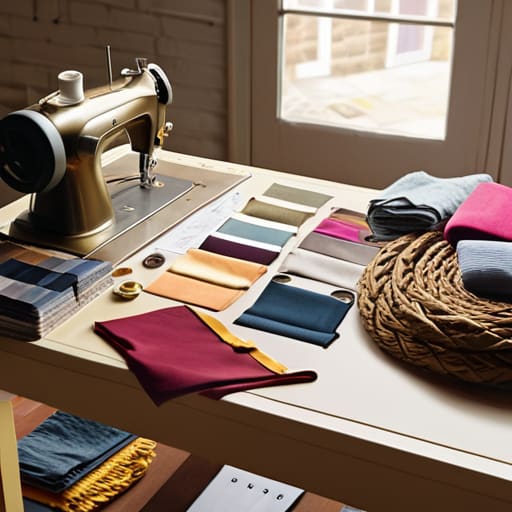
Look, I get it. Your Instagram feed is telling you that you need a “drop” every two weeks to stay relevant. But if you’re chasing every micro-trend without a solid grasp on your procurement cycle efficiency, you aren’t building a brand—you’re just running a very expensive treadmill. I’ve seen so many tiny labels blow their entire budget on high-concept marketing campaigns, only to realize they haven’t actually secured the fabric for the actual garments.
Marketing can get people to your site, but it won’t put a shirt in their hands. If your supply chain management strategies are non-existent, you’re going to end up with a massive hype spike followed by a total silence because your factory is backed up or your blanks never arrived. I’d much rather see a brand master demand planning optimization and actually have product ready to ship than see them burn out on a “limited edition” run that was actually just a series of logistical errors. Real longevity comes from knowing exactly when your thread arrives, not just how many likes your mood board got.
How Poor Demand Planning Optimization Ruins Your Margins

Look, I’ve seen it happen a dozen times: a brand gets a massive spike in engagement on TikTok, they panic-order 500 units of a heavy fleece, and then realize they completely botched their demand planning optimization. They end up with a mountain of deadstock sitting in a warehouse—money that is literally just gathering dust—while they’re simultaneously sold out of their core essentials. It’s a classic trap. When you aren’t using actual inventory forecasting techniques and are instead just “vibing” with your production numbers, you aren’t running a business; you’re just gambling with your rent money.
The real killer isn’t just the unsold shirts, though; it’s the frantic, expensive scramble to fix the mess. When you realize you’ve under-ordered, you start paying insane premiums for rushed shipping or “emergency” fabric runs just to keep up. This is where your margins go to die. Instead of building a sustainable workflow, you’re constantly stuck in a cycle of mitigating production delays that you created yourself in the first place. If you don’t respect the math behind your quantities, the math will eventually punish you.
How to actually plan without losing your mind (or your budget)

- Stop treating your fabric supplier like a vending machine. If you’re waiting until you’re down to your last three rolls of heavyweight jersey to reorder, you’ve already lost. Build a buffer into your procurement cycle that accounts for the fact that shipping containers get stuck and mills have human errors.
- Learn to love the “deadstock” gamble. If you can’t commit to a massive MOQ (Minimum Order Quantity) for a custom dye, look for high-quality deadstock. It cuts your lead time down to almost zero, though you have to be okay with the fact that once it’s gone, it’s gone.
- Don’t mistake a “sample” for a production run. I’ve seen so many small labels see a perfect sample and think they can replicate it in a week. A sample is a controlled environment; actual production involves seam allowances, tension shifts, and human fatigue. Plan for the reality of the sewing floor, not the perfection of the prototype.
- Map out your “buffer zones” based on GSM, not just dates. Heavier fabrics often take longer to dry, cure, or even ship depending on the weight and weave. If you’re working with a thick, 400 GSM fleece, your timeline needs to be more forgiving than if you were printing on thin, cheap blanks.
- Build a “Plan B” list of local way-stations. If your main mill hits a snag, you need to know exactly which local wholesalers have the blanks you need in stock. It might cost you a few extra cents per unit, but it’s better than staring at an empty shopify store because your shipment is stuck in a port.
The Reality Check: What Actually Matters
Stop chasing every micro-trend that pops up on your feed; if your lead times aren’t locked in, you’re just paying premium prices for fabric that’ll be “out” by the time it hits your cutting table.
Treat your margin like your seam allowance—if you don’t build in a buffer for procurement delays and shipping hiccups, one bad week will completely unravel your entire season’s profit.
Real brand longevity comes from mastering the boring stuff like inventory forecasting and supplier reliability, not from having the loudest marketing campaign or the flashiest lookbook.
Frequently Asked Questions
If I decide to switch from a cheap, scratchy blank to a higher GSM fabric, how much extra buffer should I actually build into my production timeline?
Honestly? You’re looking at an extra two to three weeks, minimum. When you jump from a flimsy 140 GSM to a heavy 300 GSM, you aren’t just buying “better” fabric; you’re changing the entire physics of your production. Heavier blanks take longer to dye, longer to dry, and—crucially—they’re harder to cut and sew without the machine skipping. If you don’t bake that extra time into your schedule, your “premium” launch will just be a late launch.
Is it better to over-order stock to avoid delays, or am I just going to end up with a warehouse full of deadstock that kills my cash flow?
Look, I’ve seen too many small labels choke on their own success because they over-ordered “just in case.” If you dump all your cash into a mountain of heavy-weight blanks to avoid a delay, you aren’t building a brand; you’re building a warehouse of deadstock. It’s a trap. Aim for a lean buffer based on real data, not panic. I’d rather deal with a slight delay than watch my bank account bleed out for fabric I can’t sell.
How do I figure out if a supplier's "fast turnaround" is actually legit or if they're just cutting corners on the seam allowance to make up for lost time?
Ask for a pre-production sample, but don’t just look at the print. Turn the damn thing inside out. Check if they’ve skimped on the seam allowance to shave off minutes on the sewing machine. If the edges are raw or the stitching is tension-heavy and uneven, that “fast turnaround” is just code for “we’re rushing the finishing.” Real quality takes time; if they’re moving too fast to secure a hem, they’re selling you junk.